What Could Constitute a Subrogation Claim
After a product or component failure leads to a loss, adjusters and other insurance professionals should rely on expert product failure testing to determine whether a manufacturer’s defect played a role. This could identify any possible third-party responsibility and uncover potential opportunities for subrogation. But manufacturers’ defects aren’t the only indicators of possible subrogation claims.
Product failure testing can also reveal installation errors, which, like defects, may point to third-party liability and open the door to recouping settlement costs through subrogation. Learn more about these causes of failure and why it’s important to consider subrogation potential from the start.
Manufacturers’ Defects and Subrogation Claims
A manufacturer’s defect occurs when a product or component is not properly designed or formulated to withstand the conditions it is reasonably expected to encounter during its intended use.
Some components that can fail due to manufacturers’ defects are integral to residential and commercial plumbing systems. A common example involves Cross-Linked Polyethylene (PEX) tubing, widely used in water supply lines. If not manufactured with the appropriate materials, oxidative degradation can cause PEX tubing to fracture. This occurs when inadequately formulated materials are exposed to chlorine, a standard chemical in most water supplies. Since chlorine exposure is predictable and using alternative materials could prevent this failure, this kind of PEX fracture is a clear example of a manufacturer’s defect.
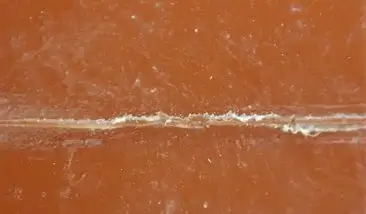
This image, captured at Component Testing Laboratories (CTL), provides a close-up view of longitudinal fractures in PEX tubing, caused by oxidative degradation stemming from a manufacturer’s defect.
Other products, including toilets, dishwashers, sump pumps, and valves, can also have manufacturers’ defects. Identifying such defects requires the expertise of Professional Engineers who use precise testing and complex equipment to determine the root cause.
Installation Errors May Also Indicate Subrogation Potential
If an appliance or component fails due to improper installation, the installer or contractor may bear responsibility for the resulting loss, which also creates an opportunity for subrogation.
PEX tubing can serve as an example again. If an installer neglects to sufficiently crimp this tubing at the point where it connects to its fitting, it may fail and cause water damage. Professional Engineers can reference ASTM International standards for a crimp ring’s outside diameter and compare these standards with subject tubing through non-destructive testing to determine whether this kind of installation error occurred.
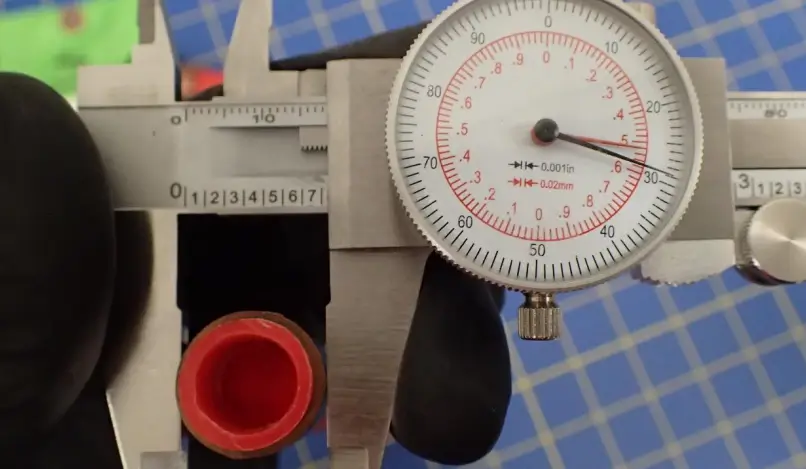
A Professional Engineer at CTL measured the crimp ring on this PEX tubing for compliance with ASTM International standards. They found it was larger than what is required, indicating an installation error.
Other common installation mistakes include insufficiently tightened compression sleeves on plastic tubing, the use of pipe thread compound on PVC threaded fittings, overtightened toilet tank bolts, or poorly glued CPVC joints. Each of these errors can compromise the integrity of the product, leading to damage not only to the component or appliance itself but also to surrounding property. This, in turn, could result in claims ranging from minor to significant losses.
In the example of poorly glued CPVC joints, Professional Engineers can leverage their expertise in product failure trends and component standards, combined with non-destructive testing methods, to pinpoint this type of installation error. They may consult the Uniform Plumbing Code (UPC), which outlines the proper steps for forming a solvent joint, and compare an approved solvent with the one used on the joint in question. Because this type of testing isn’t typically performed onsite, adjusters shouldn’t ignore subrogation potential while resolving the claim.
Why Considering Subrogation Matters
Thoroughly evaluating subrogation potential is a critical step in ensuring accountability. By identifying the party responsible and pursuing subrogation, carriers can bring attention to defects or errors that may need to be addressed to prevent future losses. Furthermore, if it’s a common defect, manufacturers may have to issue recalls or change their practices to avoid lawsuits.
Subrogation also plays a key role in protecting the insured. By recouping settlement costs from the liable party, carriers can make the insured whole and possibly avoid premium increases—a win for both the insurer and the policyholder.
However, before any of that, the investigation process starts with a reliable product failure assessment partner. They should be able to provide the information needed to decide whether to pursue subrogation and deliver sound conclusions that can be used as evidence. These professionals can also serve as expert witnesses who can testify to their objective findings.
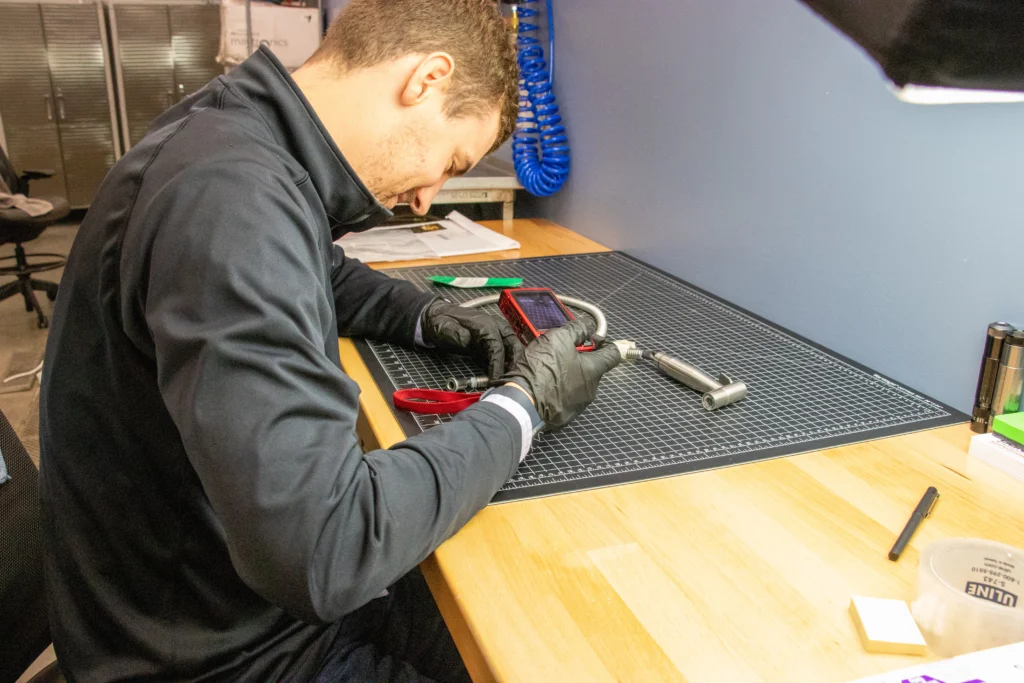
Experienced professionals equipped with advanced tools can be pivotal in uncovering the root causes of product failures.
With two of the highest-volume forensic laboratories of their kind, the Professional Engineers at Component Testing Laboratories (CTL), part of Alpine Intel, can provide you with thorough, reliable, and top-of-class reports based on the scientific method and engineering principles. Submit an assignment to get insights you can depend on to make subrogation decisions.

Don’t miss insurance-focused resources and webinars about property, perils, and trends impacting claims nationwide by signing up for The Savvy Adjuster Newsletter.

Be sure to also tune in to The Savvy Adjuster Podcast to hear more from the experts themselves.
Alpine Intel’s content is meant to inform and educate readers using general terms and descriptions. They do not replace expert evaluations that determine facts and details related to each unique claim.
Related Resources

Commercial Claim Guide: Chiller Basics
Claims involving commercial HVAC equipment can be complex, particularly when it comes to chillers. Determining the cause of loss, scope of repairs, and an accurate settlement amount can be daunting for even the most experienced adjuster.
Claim Guide: Boiler Basics
Learn more about boiler types, fuel usage, and perils impacting this HVAC equipment in our interactive guide.