Best Practices for Evidence Management in Subrogation Cases

A strong subrogation case hinges on solid, defensible evidence. That’s why evidence preservation should become a priority the moment a loss is identified as a candidate for investigation. If it’s not, spoliation could threaten to weaken the case.
The good news is that there are clear, actionable strategies to address these risks and safeguard evidence. These measures can not only support fair settlements but also prepare evidence to withstand the scrutiny of litigation, regardless of the ultimate decision. Learn about these practices and how they can potentially strengthen your own subrogation efforts.
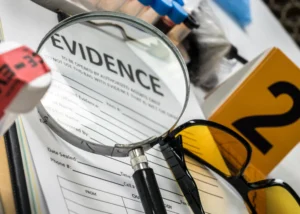
Evidence, particularly that which may suggest a third party is responsible for a loss, should be carefully protected, as it can form the foundation of a subrogation case.
Communicate About Subrogation Early and Often
Don’t underestimate the power of communication. Anytime you believe you have the potential to pursue subrogation after a loss, make sure you’re communicating what subrogation is with your insured or your client’s insured. By speaking with them, you can confirm they understand how subrogation may be beneficial and that they are willing to help preserve evidence until it can be retrieved.
Perhaps equally important is establishing strong communication with a reliable shipping partner. They will need to understand that despite being already damaged, the components or products being transported from the policyholder’s home must be carefully maintained. Choose transportation vendors who prioritize transparency in their packaging methods, focus on safeguarding cargo, and thoroughly document the condition of potential evidence throughout every stage—from pickup to delivery. This kind of attention to detail can help maintain the integrity of the evidence throughout its journey and create a record that can later be referenced leading up to or during litigation.
Prioritize Secure Storage
Who is storing the evidence and where? These are crucial considerations when it comes to pursuing subrogation. Any facility entrusted with potential evidence should be secure and meet high preservation standards, with measures like 24/7 video surveillance and trained, certified staff to maintain proper handling and documentation.
Taking a facility tour can offer valuable insight into the space where evidence will be housed and help you select the vendor that best meets your needs.
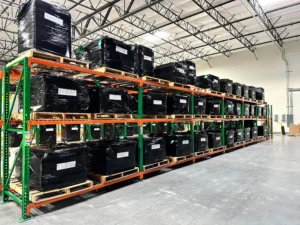
Evidence may need to be stored before and long after testing, so it’s important that storage partners are highly organized and follow correct protocol to preserve evidence in its original condition without risk of spoilation.
Engage Experienced Product Failure Experts
While taking these steps to preserve potential evidence, make sure you’re turning to product failure experts you can trust for accurate, conclusive information. Look for a team that:
- Offers Tailored Solutions: A qualified product testing partner should provide options for both non-destructive and destructive testing to meet the specific needs of your investigation. Non-destructive testing preserves the evidence in an unaltered state, while destructive testing may provide deeper insights for complex cases.
- Uses Advanced Technology: Expert teams equipped with cutting-edge instruments, such as Scanning Electron Microscopes (SEM), Energy Dispersive Spectrometry (EDS), Stereo Optical Microscopes, Fourier Transform Infrared Spectroscopy (FTIR), and X-Rays, can uncover critical details about the failure’s root cause and responsible parties.
- Facilitates Joint Investigations: When destructive testing is necessary, transparency is key. Ensure all parties are notified and given the opportunity to participate. Look for a team that provides dedicated joint investigation spaces and breakaway rooms for expert counsel. These features can demonstrate their commitment to reaching objective, accurate answers.
- Consists of Experienced Professional Engineers: Seasoned engineers who’ve performed thousands of product failure investigations will know how to test your evidence and uncover what it reveals about the cause of failure. They’ll also be able to clearly depict their findings and offer expert testimony, should litigation arise.
Choosing skilled professionals with these capabilities ensures your evidence is analyzed thoroughly and that you only approach subrogation cases with sound conclusions.
Maintain a Single-Entity Chain of Custody
A single-entity chain of custody means that evidence is handled exclusively by one entity for collection, transport, testing, and storage. When thoroughly documented, a single-entity chain of custody not only safeguards evidence from tampering, damage, or loss but also provides a clear record that such issues have not occurred.
Donan’s Component Testing Laboratories (CTL), part of Alpine Intel’s suite of services, specializes in maintaining a seamless single-entity chain of custody. CTL manages every aspect of evidence handling—from pickup and secure storage to return or disposal. This process is supported by Loss Logistics, an in-house transportation service that combines customized packaging and fast shipping to ensure evidence reaches CTL’s East or West Coast facilities in an unaltered condition.
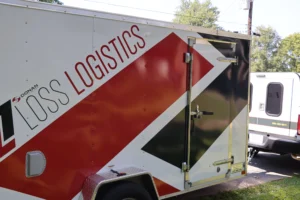
Because it’s an in-house service, CTL’s Loss Logistics can help you maintain a single-entity chain of custody if there is a chance you may pursue subrogation opportunities.
CTL warehouses are staffed by Certified Property and Evidence Specialists, and CTL’s Professional Engineers deliver top-of-class reports based on engineering principles and the scientific method, giving you reliable insights to inform your subrogation decisions.
If you’d like to see firsthand how CTL operates, facility tours are available at both locations. Alternatively, if you are currently managing a claim with subrogation potential that needs product failure analysis, you can submit an assignment and experience CTL’s trusted processes for yourself.

Don’t miss insurance-focused resources and webinars about property, perils, and trends impacting claims nationwide by signing up for The Savvy Adjuster Newsletter.

Be sure to also tune in to The Savvy Adjuster Podcast to hear more from the experts themselves.
Alpine Intel’s content is meant to inform and educate readers using general terms and descriptions. They do not replace expert evaluations that determine facts and details related to each unique claim.
Related Resources

5 Sources for Video Evidence Guide
Discover where to find admissible video footage for your claims and how to navigate legal and ethical considerations when obtaining it.
Your Questions About Fire Investigation Evidence Answered!
A crash course in how evidence is defined, collected, preserved by professional fire investigators, and how adhering to these guidelines ensures a conclusive investigation.

Evidence in Vehicle Fire Claims Guide
Vehicle fire investigations include unique considerations. Here are a few things investigators consider when determining an accurate origin and cause.