Sparks on the Water: Marine Fire Investigations

Fires aboard marine vessels, whether small motorboats, pleasure craft, or large ships, can lead to complex claims and court cases. Before insurance and legal professionals can resolve these matters effectively, they need a solid understanding of what typically causes such fires, the unique challenges involved in investigating them, and, most importantly, the support of a certified team of experts capable of wading through the evidence to determine the most likely origin and cause.
Keep reading to uncover common fire risks associated with marine vessels and the hurdles these investigations present, so you can be better prepared to manage their aftermath.
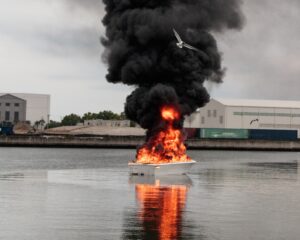
Pinpointing the most plausible origin and cause of a marine vessel fire requires expert investigators, a systematic approach, and an understanding of the specific factors at play.
Ship and Boat Fire Risks
An onboard fuel system is both a crucial component of a marine vessel and a potential fire hazard. Fuel leaks, whether from compromised tanks, hoses, or poor maintenance or storage practices can lead to accidental ignition of these flammable substances. The engine room is an especially hazardous place for flammable liquids or vapors to accumulate; without proper maintenance, a marine vessel’s engine is in danger of overheating or encountering problems with its fuel system, creating a favorable environment for a fire.
Just like on land, electrical failures and cooking can also contribute to marine vessel fires. Faulty or outdated wiring, loose or corroded connections, and overloaded circuits can all cause onboard electrical fires. To mitigate these risks, the U.S. Fire Administration advises inspecting electrical wiring and battery-charging equipment regularly and not overloading power outlets. Cooking equipment such as gas stoves or electric griddles can also overheat and ignite nearby flammable materials like towels or spilled oil if left in the galley unattended.
Another growing concern is the increased hazard of transporting lithium-ion batteries aboard vessels, particularly on cargo ships, where improper storage, malfunctioning units, or damage from shifting cargo can lead to catastrophic fires, as highlighted by the NFPA. A striking example occurred in late 2023 aboard the cargo ship Genius Star XI, which made headlines after a fire broke out in its hold containing nearly 2,000 tons of lithium-ion batteries. Investigators believe the fire was triggered by the batteries shifting with the movement of the waves. A second fire later erupted in a separate hold, again filled with lithium-ion batteries.
External Marine Fire Hazards
Beyond internal risks, the external environment also plays a role in ship and boat fire vulnerabilities. Fires originating in marinas or storage facilities can spread rapidly, particularly when tightly packed vessels act as fuel for the flames. Fire in one boat may leap to neighboring vessels, escalating the scale of damage
Marina fires can stem from various causes, such as smoking on docks, welding, or performing other hot work near flammable materials. Like fires aboard vessels, fuel spills and improper fuel storage are common culprits behind dockside blazes. The U.S. Fire Administration also recommends that boat owners regularly check shore power connections for any signs of damage or improper installation to reduce fire risks.
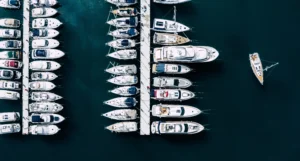
Close proximity in marinas can make it easy for fires to spread from one vessel to another.
What Makes Marine Vessel Fire Investigations Different?
Like in any fire investigation, certified fire investigators gather detailed background information from the property owner and any eyewitnesses. But in ship or boat fires, investigators should also examine any available marine surveys, sales records, and logbooks. These documents can provide insight into the vessel’s configuration, prior condition, and potential pre-existing issues that could have contributed to the fire.
Fires on marine vessels also often result in submersion, which can critically compromise evidence. Saltwater immersion accelerates corrosion, which can degrade fire patterns that are vital for understanding how the fire started and spread. Furthermore, stabilizing and refloating a sunken ship for examination requires precision and care. Improper handling during these processes can cause additional damage, potentially masking or destroying critical evidence. Investigators must work efficiently to preserve what remains and carefully document their findings.
Fire investigators also must contend with the fact that a vessel’s unique design and structural composition can significantly influence fire behavior. The National Association of Fire Investigators (NAFI) underscores that differing fuel loads, ventilation systems, bulkhead or cabin placement, open hatches, and lightweight materials can all create confusing fire patterns.
More Potentially Complicating Factors
Marine fires may involve several different regulatory bodies, depending on where the incident occurs. Local fire departments and specialized marine safety authorities may both have jurisdiction. Investigators should understand which of these authorities are involved so that they can communicate with them effectively and gather any additional information they may have on a fire.
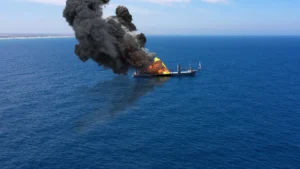
The authorities involved in marine vessel fire cases often depend on whether the incident occurred while the vessel was docked or at sea.
To complicate matters further, vessels are frequently subject to intricate ownership arrangements. Shared ownership agreements or charters often result in multiple parties holding a vested interest in a single vessel.
For this reason, marine vessel fires require not only technical expertise but also the ability to effectively host or participate in joint investigations. National Fire Experts (NFE), part of Alpine Intel’s suite of services, is equipped to address this need and tackle the other challenges posed by marine vessel fire investigations. With hundreds of years of combined experience, NFE’s investigators adhere to the NFPA’s guidelines and standards to evaluate the evidence from any fire scene to provide an actionable, top-of-class report. Submit an assignment to take the next step for your fire claim or case with confidence.

Don’t miss insurance-focused resources and webinars about property, perils, and trends impacting claims nationwide by signing up for The Savvy Adjuster Newsletter.

Be sure to also tune in to The Savvy Adjuster Podcast to hear more from the experts themselves.
Alpine Intel’s content is meant to inform and educate readers using general terms and descriptions. They do not replace expert evaluations that determine facts and details related to each unique claim.
Related Resources

Apartment Fires: Causes and Investigations Guide
Learn common causes of apartment fires, how investigators approach assessments, and the characteristics that can introduce unique considerations to these claims.

Truck Fire Case Study
Learn how the National Fire Experts investigator determined the origin and cause of a truck fire using fire patterns, witness statements, and other evidence.
Your Questions About Fire Investigation Evidence Answered!
A crash course in how evidence is defined, collected, preserved by professional fire investigators, and how adhering to these guidelines ensures a conclusive investigation.