
Hidden Claim Risks of Vacant Commercial Property

According to a Statista report, office vacancy rates in the U.S. reached a record high of over 20% in the second quarter of 2024, following a years-long trend toward remote work and evolving business dynamics. These empty or underutilized spaces present unique challenges for property managers, attorneys, and insurance adjusters tasked with safeguarding and restoring commercial property. The rise in vacant properties means that these buildings, once overlooked, are now a focus for some insurers due to their heightened vulnerability to damage and the high costs of claims and restoration. This article explores the risks faced by vacant commercial properties; the challenges in determining damage cause, scope, and age; and key factors to consider to mitigate these risks effectively.
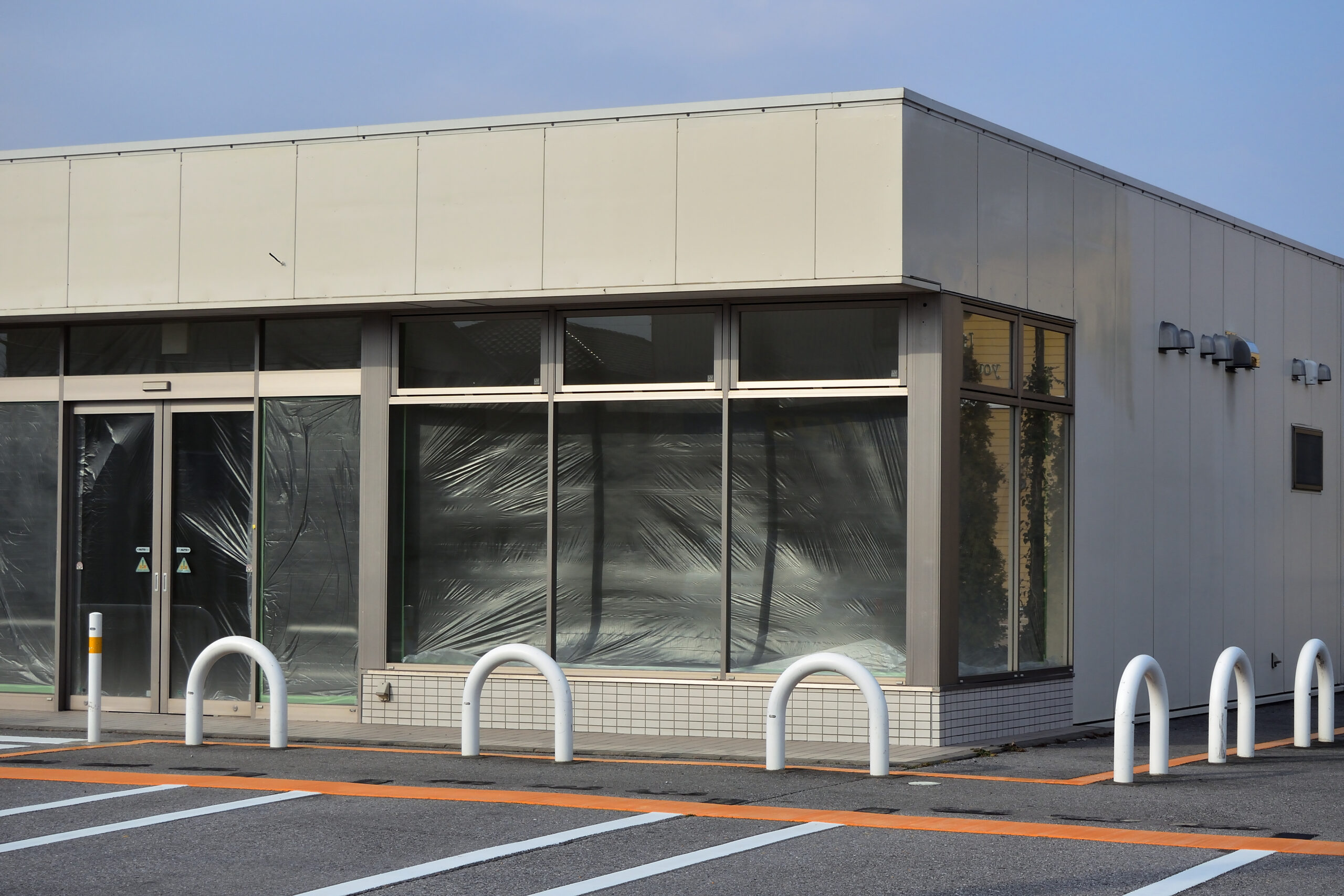
An increase in vacant commercial properties could mean more insurance claims for long-term damages from conditions that go unnoticed.
The Perils of Vacancy
Vacant buildings, the definition of which may vary by carrier, are particularly susceptible to certain perils due to a lack of regular oversight and maintenance. These include increased risks of vandalism, structural deterioration, fire hazards, water damage, and infestations.
Recognizing and understanding these risks is critical for stakeholders, especially when the claims process demands determining the cause, scope, and timeline of damage.
Challenges in Identifying Damage Origins
One of the most significant barriers for insurers and property managers dealing with vacant properties lies in determining the damage’s age and cause.
- Distinguishing Pre-Existing vs. New Damage: Vacant buildings often sit unattended for weeks or months, complicating the task of identifying the age of damage—which is particularly important if a new occupant reports damage. For example, it is important to know whether a pipe burst during a period of vacancy, making damage longer-term, or recently under new ownership. Without routine monitoring, documentation gaps can make this distinction difficult.
- Lack of Monitoring: Unoccupied premises typically lack active maintenance, making even minor damage, like small leaks, difficult to detect until they escalate into larger issues.
- Complex Damage Assessment: Damage caused by vandals, water, or fire leaves subtle clues that only skilled forensic engineers or adjusters can decipher. Misinterpretation could result in inaccurate settlement decisions and longer claim life cycles.

Vacant properties present unique challenges, including pre-existing damage, lack of monitoring, and complex damage assessments requiring skilled professionals.
A thorough and objective expert assessment is crucial to determine the cause, age, and scope of the loss and facilitate accurate, fair, and timely claim settlements.
Common Causes of Loss in Vacant Properties
Vacant commercial properties are vulnerable to a range of perils, each posing unique challenges during the claims process. Identifying these perils early can greatly assist in claims handling and mitigating future risks.
Criminal Activity
Unoccupied properties often become hotspots for vandalism, theft, and other criminal activities. Vandalism, for instance, commonly manifests in the form of graffiti sprayed on walls or broken windows caused by intruders. Theft is another significant issue, as trespassers often target high-value items within the property, such as copper pipes or components of HVAC systems. Additionally, breaking and entering can result in substantial structural damage to the site’s infrastructure, leaving the building more vulnerable to further issues and degradation.
Forensic engineering professionals can analyze onsite evidence such as the method of entry or structural failures to determine whether damage was man-made or caused by wear and tear.
Water Damage
Vacant buildings frequently experience undetected water leaks or pipe bursts due to a lack of routine maintenance. Long-term exposure to water can lead to serious structural instability and mold growth, which poses significant risks to occupants and the building’s integrity. Additionally, standing water can compromise air quality, creating ideal conditions for bacteria to multiply and thrive, further exacerbating health and safety concerns.
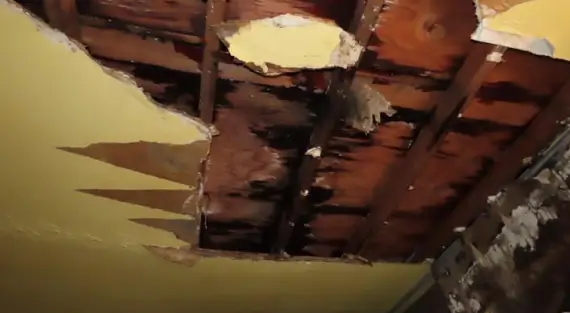
Water intruded into this unoccupied office building, the result of neglected maintenance on an age-deteriorated modified bitumen roof.
Determining the timeframe and cause of water damage is key for adjusters to draw accurate conclusions during claims processing.
Fire Hazards
Vacant buildings face heightened fire risks due to the absence of occupants who could take preventative action. Trespassers often pose a significant risk, as do unnoticed electrical fires. Additionally, when fire suppression systems are turned off or inactive, even small fires can escalate rapidly, causing extensive destruction.
Forensic engineers, working in coordination with fire investigators, can retrieve critical evidence such as witness reports, building layouts, and site analysis to identify the origin and scope of fire losses.
Infestations
Pests such as rodents or insects can cause severe property damage, especially when infestations are left unchecked. One common issue is structural damage, as rodents can chew through electrical wires, or termites can weaken wood components, creating unsafe conditions. Additionally, infestations can pose significant health risks due to biohazards or contamination, which may affect the safety and hygiene of the property.
Engineers can assess the duration and extent of infestations while providing recommendations to restore the property to pre-loss conditions.
Navigating Vacant Property Risks With Expertise
Vacant properties pose significant risks to property owners and insurers, including heightened vulnerability to damage. Forensic engineering is crucial in assessing these challenges, helping adjusters, attorneys, and insurers make sound decisions. As commercial vacancies are projected to remain high in the coming years, it’s vital to be prepared to handle claims effectively. Partner with experts like Donan, part of Alpine Intel’s services, to mitigate losses and streamline claim resolutions. Submit an assignment to take control of your property risks.

Don’t miss insurance-focused resources and webinars about property, perils, and trends impacting claims nationwide by signing up for The Savvy Adjuster Newsletter.

Be sure to also tune in to The Savvy Adjuster Podcast to hear more from the experts themselves.
Alpine Intel’s content is meant to inform and educate readers using general terms and descriptions. They do not replace expert evaluations that determine facts and details related to each unique claim.
Related Resources

A Homeowner’s Guide to Preparing Your House for Spring Storms
Help your policyholders protect their homes from spring storms with our comprehensive guide of practical preparation steps to minimize damage from hail, wind, water, and lightning.
Commercial Hail Claim Case Study
Learn how two Alpine Intel brands were able to deliver answers to an adjuster on a claim that involved reported hail damage to the roof and HVAC systems.