
Assessing Roof Damage After a Contractor’s Estimate

Roof claims may come to adjusters with a contractor’s estimate attached. Policyholders often view getting a contractor’s opinion about the cause of damage and recommended actions as a way to ensure a fair settlement from their insurance company. However, contractors’ assessments are not always accurate and may include unnecessary repairs or replacement. It’s important for adjusters to know how to identify a fair contractor, what damages are more likely to warrant a replacement, and when to get an objective expert’s assessment in order to reach an accurate claims resolution.
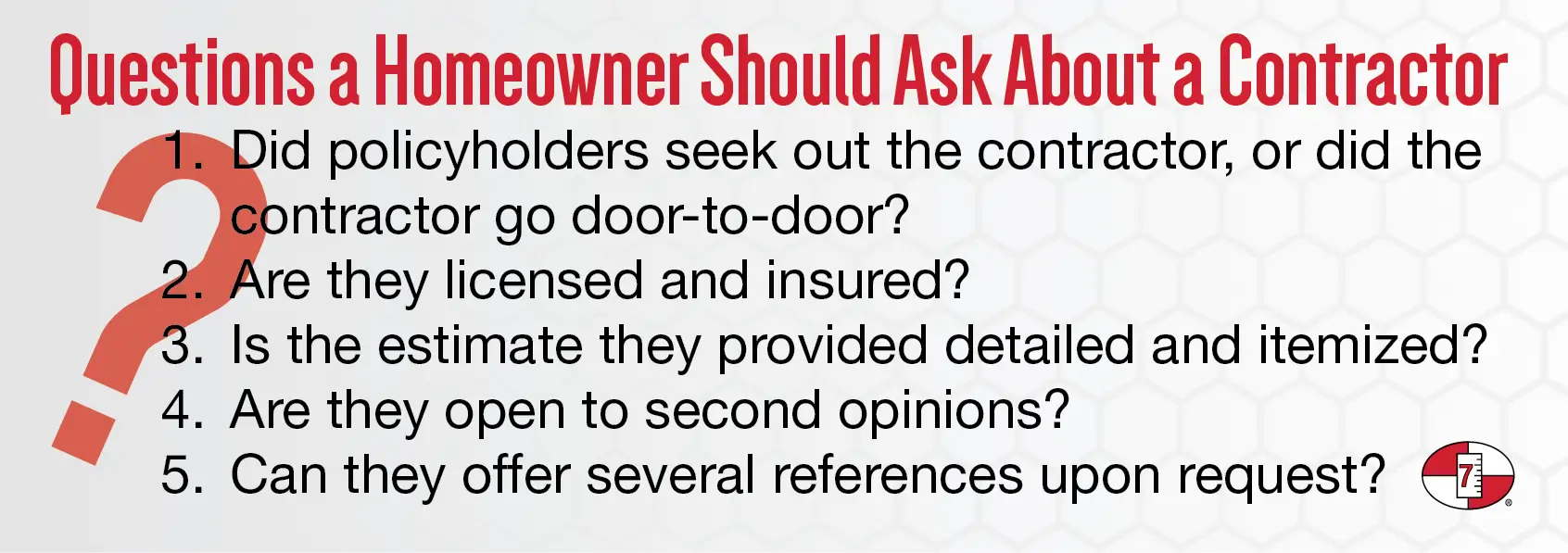
While an objective opinion is key to settling any claim fairly, certain questions about a contractor and their estimate can help determine their professionalism and validity.
5 Indicators of Severe Roof Damage
While they don’t automatically necessitate a new roof, some roof conditions listed in a contractor’s estimate do mean that the roof is vulnerable and warrants an objective assessment by a forensic engineer. Here are a few indicators of widespread or severe roof damage:
- The roof has outlived its expected lifespan. A roof’s life expectancy varies depending on its composition, installation, and exposure. While age alone doesn’t justify a replacement, a shingle roof over 20 years old in a claim requires an unbiased assessment.
- There are several consistent leaks in the house or moisture in the attic. Leaks in multiple locations, especially those that recur after local repairs, can indicate damages, wear and tear, or installation defects on the roof. Moisture in the attic is also a sign that the roof is no longer watertight, which can lead to mold growth and structural rot throughout the house.
- Shingles are curling, buckling, missing, or broken. Curling and buckling shingles are no longer properly sealed and therefore cannot protect the house. Missing and broken shingles may also be indicators of wind or other damages. If the loss is only in a small area, these issues may be addressed without a full roof replacement.
- The roof is visibly sagging. Sagging often points to damage to the roof trusses, decking, or other structural elements.
- There is severe discoloration from fungal growth or sun damage. Moss, lichen, and other growth can weaken the roof if unchecked, as the moisture they hold can get beneath shingles or allow moisture to linger and potentially penetrate the roof covering. Sun exposure can warp and crack roofing materials, reducing their effectiveness.

Missing shingles may be an indicator that a roof could require full replacement, but an objective assessment may determine that damage is localized and repairable.
While these are some of the more serious conditions adjusters may see in a roof claim, a contractor’s estimate may include other considerations, or the policyholder may claim other damages that warrant a second look. These include:
- Localized shingle damage
- Granules in the gutter
- A recent storm in the area
- Neighbors receiving new roofs
- A recent, concentrated leak
In some of these instances, a contractor may recommend a new roof. In others, they may itemize small repairs. An objective assessment may find that the roof is not as severely damaged as the contractor stated, that the cause is different from what was reported (such as man-made damage or age-related wear and tear), or that the roof was not damaged at all. Regardless, adjusters who get an objective assessment equip themselves with a second investigation and recommendations for comparison as they make their decision.
What Experts Should Look at in a Roof Damage Assessment
Each claim is different, but depending on the reported roof damage and what the forensic engineer finds onsite, here are some things they use to determine the cause of loss:
- Weather data: While not enough to confirm damage on its own, data from a reputable source can help an engineer confirm wind speed and direction, hail reports, and more for the reported date of loss.
- Collateral indicators: Damage from hail or strong wind is rarely restricted to the roof. There are almost always dents in soft metals, bent fences and broken trees, and other elements on or surrounding the building.
- Age and materials of the roof: Experts look into the properties of the roofing materials and try to find evidence of its condition before the precipitating event to determine what damage, if any, pre-existed the reported date of loss.
- Surrounding properties: If a weather event is the reported cause of roof damage, nearby structures may show similar damages to the subject house.
- Interior inspections: In claims that involve leaks or potential structural damage, the expert would need to assess the attic or other areas of the house to determine the full scope of loss.
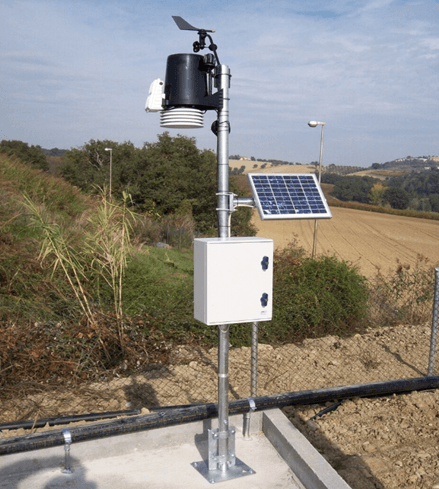
Experts rely on onsite evidence and weather data collected from reliable weather stations to reach an accurate cause of loss about reported roof damage.
Accuracy matters in roof claims. Contractor estimates can be helpful, but they’re not always the full story. Ensure you have an objective, expert opinion to validate the cause and scope of damage. Donan Engineering, part of Alpine Intel’s suite of services, provides comprehensive assessments that help you reach a fair and accurate resolution that may prevent unnecessary claims leakage. Take the next step – submit an assignment for roofing or any other structural loss today for the clarity you need.

Don’t miss insurance-focused resources and webinars about property, perils, and trends impacting claims nationwide by signing up for The Savvy Adjuster Newsletter.

Be sure to also tune in to The Savvy Adjuster Podcast to hear more from the experts themselves.
Alpine Intel’s content is meant to inform and educate readers using general terms and descriptions. They do not replace expert evaluations that determine facts and details related to each unique claim.
Related Resources
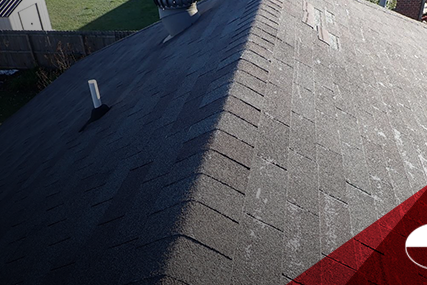
Roof Damage Claim Case Study
Using a real-life hail-related roof claim, you’ll find out how our licensed engineers determine an accurate conclusion through interviews, property inspections, research, and testing.
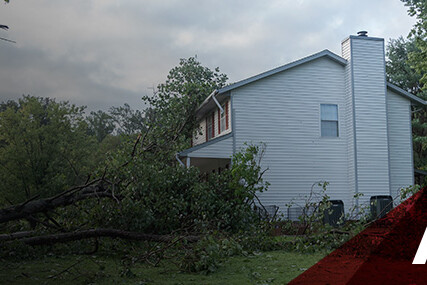
Take 5: Indicators of Wind Damage Not Found On the Roof | The Savvy Adjuster Podcast Ep. 2
In this mini episode, Chris follows up with Kevin Huelsman and Gary Ellis about collateral indicators, weather data, and other evidence the experts look at to verify claimed wind damage.
Low-Slope Commercial Roofing: A Technical Guide for Adjusters eBook
Read this eBook to learn the basics of low-slope commercial roofs, common deficiencies to be aware of, and when to partner with a forensic engineer.