
A Look at 3 Components Prone to Freeze Damage

When water freezes within a plumbing component, it expands, causing overpressurization that can compromise functionality and result in water damage. These losses can be costly; water damage and freezing accounted for 27.6% of homeowners insurance claims in 2022, according to the Insurance Information Institute.
The Professional Engineers at Donan’s Component Testing Laboratories (CTL) have pinpointed three components particularly susceptible to freeze failures: water filters, plumbing pipes, and valves. Learn the causes and signs of freeze damage in these items, and how expert testing can help you evaluate subrogation potential in claims with unverified causes of failure.
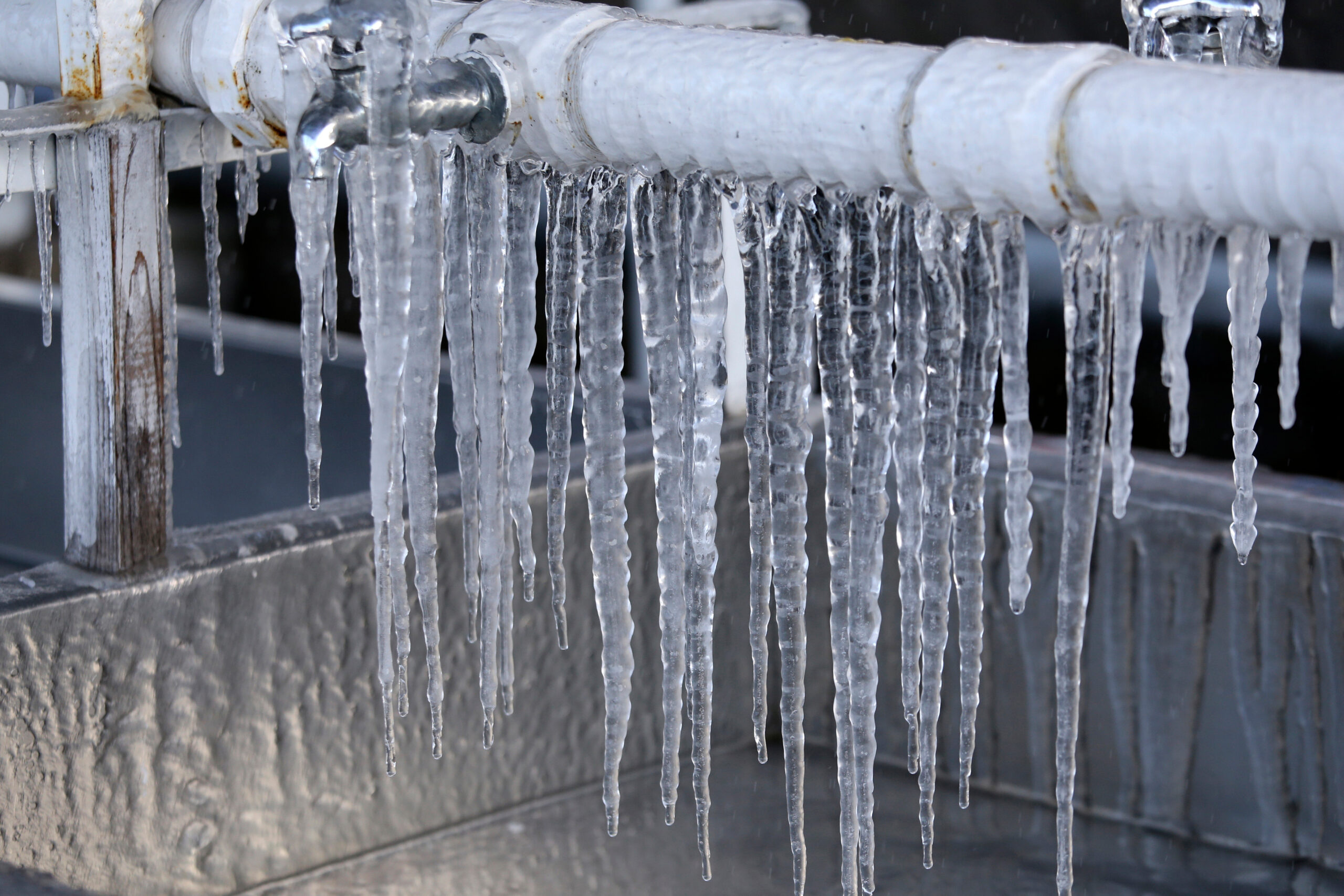
Product failure experts can verify whether freezing conditions led to a component failure, or if another issue was ultimately responsible for a water loss claim.
Water Filters
When working properly, water filters improve water quality for whole-house systems, under-sink installations, and appliances like refrigerators and icemakers. But they can sustain damage from freezing conditions and wind up in claims.
Freezing water triggers a rapid increase in internal pressure due to volume expansion. Reverse Osmosis (RO) water filters installed under sinks can experience this overpressurization if exposed to cold or if downstream of an ice blockage elsewhere within the water supply system. A blockage can subject the entire system to a uniform increase in pressure, potentially causing failures at any vulnerable point.
Water filters installed in refrigerators may also sometimes sustain freeze-related damages, but the root cause is often a refrigerator malfunction. When a refrigerator fails to regulate temperature effectively, the water filter inside may encounter freezing conditions. This can result in overpressurization and water damage. To assess whether a malfunction led to freezing temperatures inside the refrigerator, causing the water filter to fail, the refrigerator’s internal temperature can be tested.
Certain indicators can also point toward freeze failures in water filters, including branching or bifurcated fractures and cracked filter housings. But to confirm cause of failure, expert analysis is required.
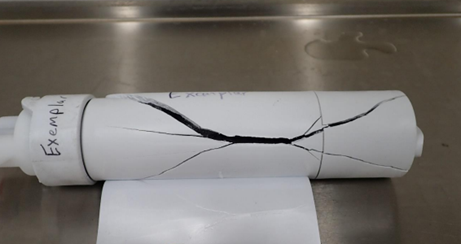
This exemplar water filter displays branching fractures typical of freeze failures.
Plumbing Pipes
Plumbing systems direct water within whole-house networks, sinks, bathrooms, and outdoors. A major cause of freeze damage in plumbing systems can be inadequate protection from outside temperatures. Pipes situated in unprotected areas or exposed directly to the elements can quickly freeze when temperatures drop. Open crawlspace vents are another risk factor, allowing freezing air to reach these components.
When hoses connected to plumbing systems are left outside in freezing weather, ice blockages can form and lead to increased internal pressure within connected pipes. As described with water filters, pipe sections downstream of a blockage experience increased pressure. This can cause failures at any point within the system, including in heated areas of a building where ice is absent. Signs of such damage may include burst pipes or cracks in plastic, PVC, metal, or other materials.
Valves
Valves play a crucial role in plumbing systems for both homes and businesses, managing the flow and temperature of water. Freeze damage often impacts valves in winter months, and insufficient water flow can play a role. Without continuous movement, stagnant water may freeze and expand, exerting excessive pressure on valve components and causing damage.
Frozen water in one component can also lead to a freeze-related failure in another. As water within pipes freezes, it expands, exerting pressure not only on the pipes but also on the valves connected to them. This expansion can cause the valves to crack or fail, disrupting the plumbing system’s functionality and potentially leading to water losses.
CTL’s Professional Engineers look for longitudinal fractures as signs that may point toward a freeze failure in valves, along with stress-whitening in the valve body.
For more on this, read about how the absence of the stress-whitening, along with the presence of leaks in the armature guide tubes, helped a CTL engineer rule out freeze damage and discover a manufacturer’s defect in this Valve Failure Case Study.
Why Test Components With Suspected or Reported Freeze Damage?
Despite their susceptibility to freeze damage, all these components can fail, even in the coldest months, for reasons unrelated to freezing conditions. Without verifying the cause of failure in water loss claims involving water filters, pipes, and valves, carriers risk missing out on the opportunity to pursue subrogation, should a manufacturer’s defect or installation error prove to be the true cause of failure.
That’s where product failure investigations come in. The Professional Engineers at CTL are experts in conducting these investigations, using techniques and tools like extended pressure testing, microscope examination, metal composition analysis, and X-ray analysis to get to the root cause of a failure.
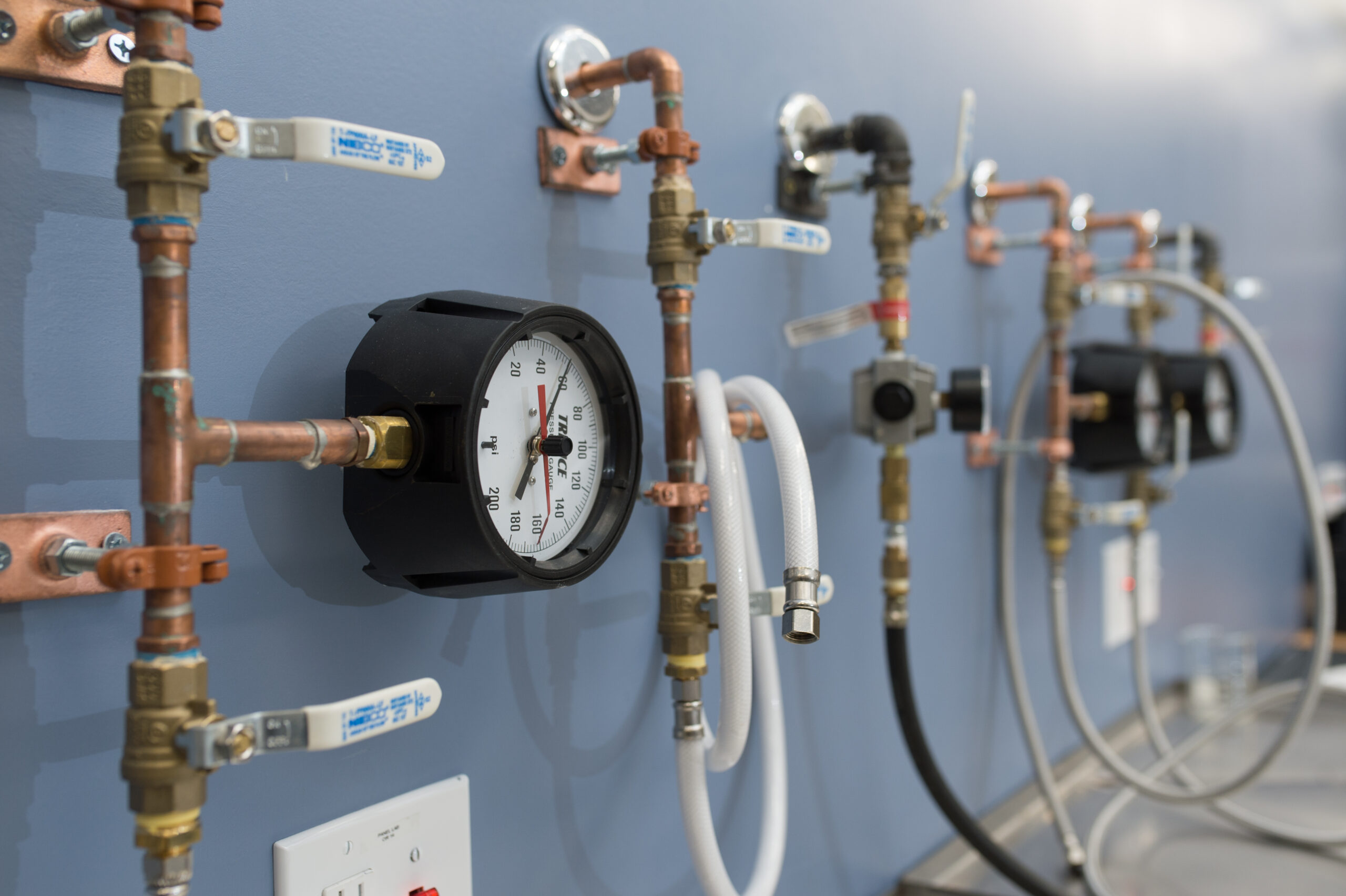
CTL’s Professional Engineers utilize extended pressure testing to form science-based, expert opinions about component failures in pipes, filters, and valves.
They compile their findings in reliable, top-of-class reports that deliver the insights you need to make informed subrogation decisions. For answers to your complex product failure questions, submit an assignment.
Engineering services are provided by or subcontracted to Donan Engineering, LLC, Donan Engineering NC, PLLC, or Donan Forensic, LP.

Don’t miss insurance-focused resources and webinars about property, perils, and trends impacting claims nationwide by signing up for The Savvy Adjuster Newsletter.

Be sure to also tune in to The Savvy Adjuster Podcast to hear more from the experts themselves.
Alpine Intel’s content is meant to inform and educate readers using general terms and descriptions. They do not replace expert evaluations that determine facts and details related to each unique claim.
Related Resources

Investigating Freeze Damage in Product Failures
Learn what the experts look for to confirm freeze failure in certain components and how lab assessments can ensure more accurate conclusions.
Freeze Damage to Pool Equipment
Adjusters should know how pool equipment is affected by freeze damage before settling this type of claim.

Damage to Electrical System Case Study
A homeowner claimed wind damage to electrical system components, but a StrikeCheck assessment determined a different cause of loss.