
Your Questions About Refrigerant Regulations Answered Guide
Questions about the phasedown of popular refrigerant R-410A have only grown since the American Innovation and Manufacturing Act took effect in 2020. The production and importation of R-410A have been reduced by 40% since 2022, and HVAC system manufacturers can’t use it in new equipment after Jan. 1, 2025.
We understand the confusion and uncertainty this might pose to insurance professionals, policyholders, and even HVAC contractors. Get your copy of Your Questions About Refrigerant Regulations Answered to read HVACi’s expert responses to frequently asked questions.
They include:
- What is the AIM Act and why is R-410A being phased down?
- What refrigerants will take the place of R-410A?
- Can existing R-22 and R-410A equipment be repaired after Jan. 1, 2025 (and do they need to be replaced)?
- Are residences and businesses at risk of fire due to the flammability of A2L refrigerants?
Fill out the form to receive your copy of the guide for these answers and others.

Don’t miss insurance-focused resources and webinars about property, perils, and trends impacting claims nationwide by signing up for The Savvy Adjuster Newsletter.

Be sure to also tune in to The Savvy Adjuster Podcast to hear more from the experts themselves.
Alpine Intel’s content is meant to inform and educate readers using general terms and descriptions. They do not replace expert evaluations that determine facts and details related to each unique claim.
Related Resources

Your Questions About Fire Investigation Evidence Answered!
A crash course in how evidence is defined, collected, preserved by professional fire investigators, and how adhering to these guidelines ensures a conclusive investigation.
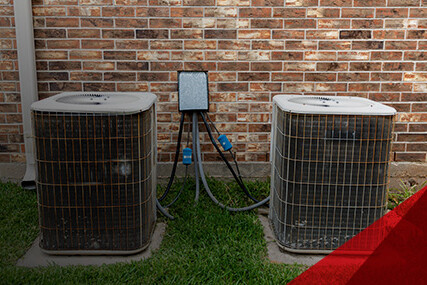
HVAC Refrigerant Regulations Case Study
A policyholder’s contractor sought a full replacement for a hail-impacted split system because of inaccurate regulation information. HVACi proved why that wasn’t necessary.
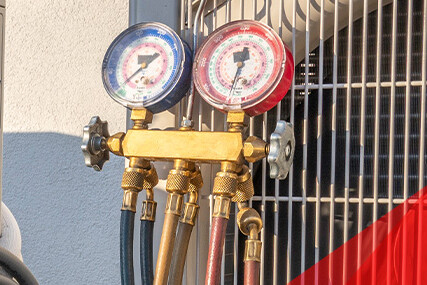
EPA Regulations Overview Guide
Learn about the refrigerant phasedown, the future of R-410A, and the HVAC refrigerants that will be used next.