Commercial Losses: Hotel and Motel Fire Causes and Investigations

An estimated 3,900 hotel and motel fires occur each year, according to the Federal Emergency Management Agency (FEMA). These fires cause about $100 million in property losses and can lead to injuries and fatalities. Adjusters handling a hotel fire claim for any involved party can better prepare to do so effectively by understanding what might cause these fires, how their spread differs from residential fires, and unique things to consider during the investigation process.
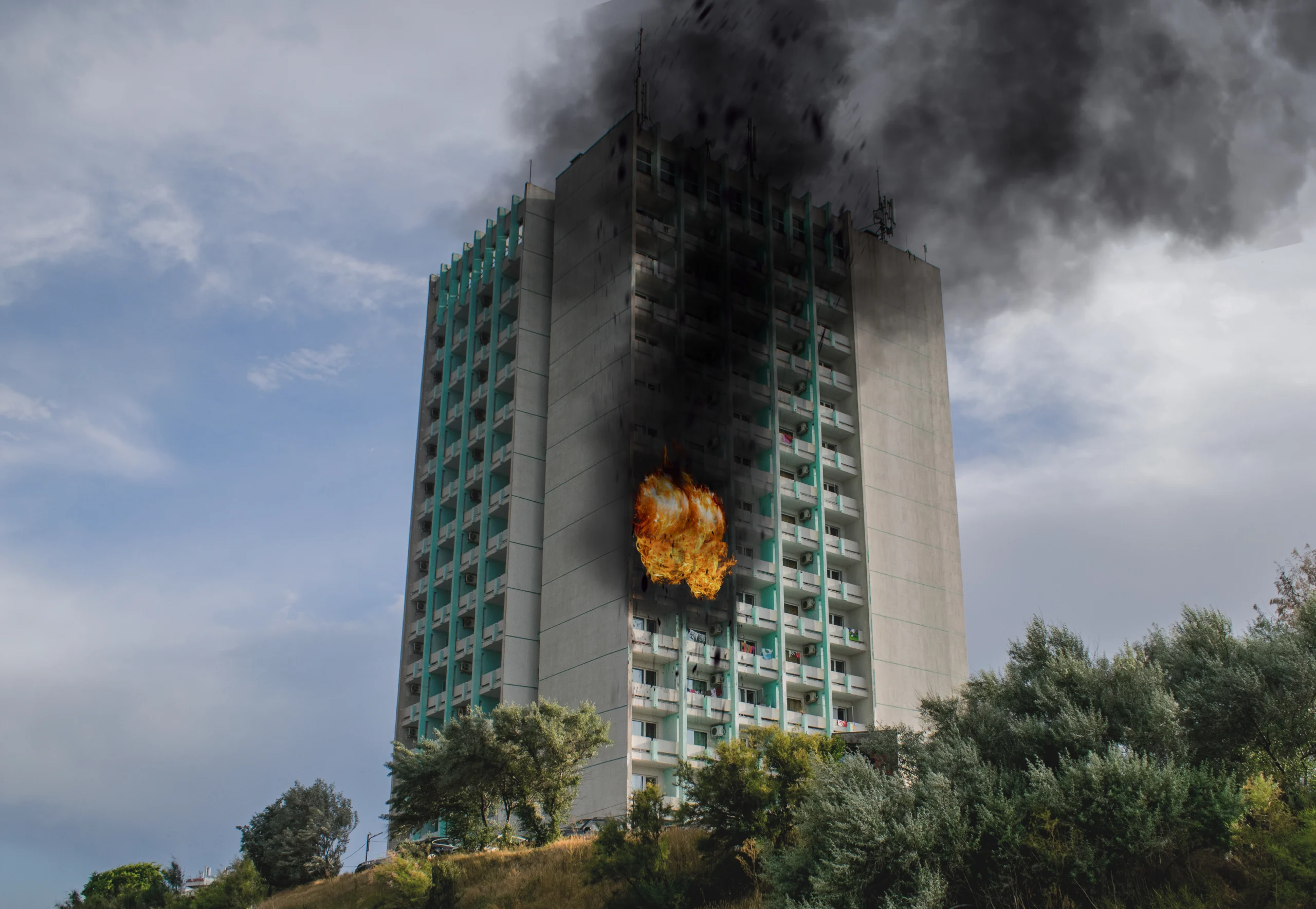
Hotel stays can be relaxing. Less relaxing are hotel fire claims, in which adjusters must consider why the fire started, who is involved, and how to reach a fair and accurate resolution.
Fire Hazards in Hotels and Motels
Many fire risks in hotels and motels are the same as those in residential properties but may be amplified. The potential for loss of life, injuries, and damage is substantial as hotel and motels are designed to house a large number of people at once. Here are four of the most frequent causes of hotel fires determined by fire investigators.
Electrical Malfunctions
The volume and complexity of electrical components in a hotel present a fire risk, particularly if the system isn’t well maintained. FEMA reports that electrical malfunctions account for 24% of hotel and motel fires. Some of these fires begin with lighting, in circuits, and in service areas like laundry rooms and kitchens.
Malfunctioning living area equipment like kettles, coffee makers, and hair dryers can contribute to electrical fires, as can wall receptacles if they’re worn out or the connection is loose. As hotels add more amenities, rooms also include relocatable power taps (RPTs), which are often placed on the floor under or behind potential fuel packages such as chairs and beds.
Cooking
As it is for all structural fires, cooking is a common cause of hotel fires. The majority of these fires begin in commercial kitchens that are set up for room service, event catering, or even in-house restaurants. Neglected cooking or ignitable materials left too close to a heat source may be culprits, but one of the most frequent causes of loss in commercial kitchens is improper ventilation, often due to excessive grease buildup on cooking surfaces, vent hoods and filters.
In luxury suites or extended-stay hotels, there may also be cooktops in individual rooms. These amenities introduce an increased risk of fire, as they require more (likely untrained) cooks to pay close attention to meal preparation.

Guests cooking in their hotel rooms may unintentionally leave ignitable materials near burners, one of several possible ways a hotel cooking fire can start.
Smoking
The perils of smoking extend beyond health concerns. In 2022, the U.S. Fire Administration estimated 7,800 residential fires were related to smoking. In the hospitality industry, improperly extinguished cigarettes are a known risk that likely contributes to an increasing number of hotels prohibiting smoking in all rooms. However, some still permit smoking in certain areas, and there’s always the possibility of guests disregarding the rules even where it’s banned.
If a guest discards smoking material without properly extinguishing it, leaves it too close to ignitable materials like linens and furniture, or even falls asleep with a lit cigarette, the hotel can face safety threats, costly repairs, insurance claims, and potential legal liability.
Intentional Fires
While not necessarily maliciously ignited, deliberately set fires can spread easily out of control. The number of people working and staying in hotels can increase this risk. Whether a deliberate effort to inflict damage or simply a candle flame that grew and engulfed nearby materials, suspected intentional fires can lead to complex claims.
Hotel Fire Spread
The good news is that most hotel fires are confined, meaning the fire stayed within an area of origin – say a stove or outlet. Even if a fire leaves this area, hotel fire claims often include only the room of origin, which is most likely to be a bedroom. The 97% confinement rates in hotels – a more successful rate than residential fires – exists for a few reasons:
- Hotels are required by law to have working smoke detectors and are subject to regularly inspections to test them
- Fire protection systems are common in the hospitality industry
- Hotel doors and walls must be fire resistant for at least 30 and 90 minutes, respectively
- Doors are more likely to be closed, preventing fire spread
No matter the reported scope of the fire in the claim, adjusters must account for certain unique considerations when seeking an accurate settlement, as hotel fires have the potential to be complex.

Hotel doors and walls are required to meet certain fire-resistance standards, which means more hotel fires than residential fires are confined to the room of origin.
Investigation Considerations
Upon receipt of the hotel fire claim, one of the first questions to ask is, “Who is involved?” Often, multiple parties have an interest in the outcome of the claim, including the hotel owner and operator, any guests who might be involved, equipment manufacturers, attorneys, and representatives of any of these entities. Your carrier might not even be the only insurance company investigating the fire. You’ll want to know who would need to be involved in a joint origin and cause study, what each party is trying to accomplish, and the best way to work toward an accurate settlement.
With hotels and other commercial fire claims, adjusters may find:
- An increased number of witnesses from whom to collect statements
- More complete maintenance records than those available for residential properties
- More extensive surveillance if the fire or pertinent preceding events occurred in public areas of the building
- Increased litigation potential
- More evidence to assess, ship, and/or store, including furniture, accelerants, electronic remnants, fibers, etc.
A certified fire investigator who follows National Fire Protection Association (NFPA) guidelines can ensure your assessment is objective and comprehensive. National Fire Experts (NFE) applies an 11-step fire investigation process to all assignments from hotels to houses to vehicles, providing support to insurance professionals throughout the process – including customer service, report writing, and litigation support. As part of the Alpine Intel suite of services, NFE also has access to electrical experts, engineering support, and evidence management services for your fire claim needs. Submit an assignment to experience NFE’s services for yourself.

Don’t miss insurance-focused resources and webinars about property, perils, and trends impacting claims nationwide by signing up for The Savvy Adjuster Newsletter.

Be sure to also tune in to The Savvy Adjuster Podcast to hear more from the experts themselves.
Alpine Intel’s content is meant to inform and educate readers using general terms and descriptions. They do not replace expert evaluations that determine facts and details related to each unique claim.
Related Resources
Commercial Large Loss Fire Case Study
Discover how National Fire Experts identified the origin and cause of a commercial large loss fire through joint inspections and collaboration with CTL.

Exploring Chimney Fire Losses Webinar Recording
Learn to better handle chimney fire claims, including the factors that may contribute to a hostile fire and why a fire investigator or engineering investigation is key to accurately settling these claims.
Uncovering Commercial Fire Causes and Trends
Commercial fire claims are often complex and require expert investigation. Discover common fire causes and how an assessment partner can help with these claims.