
How Proper Maintenance Can Help Prevent a Restaurant Kitchen Fire

As fire investigators systematically sift through the remains of a restaurant kitchen fire, they must examine all of the evidence and consider if lack of maintenance may have been a contributing factor.
It isn’t as unlikely as some might think. From 2018 to 2022, an average of nearly 15,000 fires occurred each year in U.S. eating and drinking establishments, according to the National Fire Protection Association (NFPA). Poor maintenance practices are often a contributing variable. “Failure to clean” was a factor in nearly a quarter of structure fires in eating and drinking establishments that occurred from 2010-2014 another NFPA study determined.
To help your commercial policyholders in the restaurant business avoid these risks, encourage them to employ the following maintenance practices that could prevent fires and reduce the likelihood of claims.

Fire can spread quickly in the heat of commercial kitchens, causing significant damage.
Day-to-Day Maintenance for Avoiding a Restaurant Kitchen Fire
NFPA 96 is a standard that provides in-depth requirements for private and public cooking operations, including maintenance. With the constant wear and tear that comes from a busy lunch or dinner rush, it’s essential that employees check regularly for issues like lost screws, failing seals, and exposed wires. Even minor oversights in a high-heat kitchen environment can lead to serious consequences.
Regular cleaning is also important for preventing restaurant kitchen fires. The NFPA recommends that:
- Restaurant personnel double-check to ensure that all equipment is adequately cleaned before a new day of cooking
- Flammable grease and oil residue not be allowed to build up on or near hot equipment and appliances
- Any other flammable material is cleared from around heating devices in the kitchen
Should a restaurant fire occur, investigators will examine the scene in full and consider whether or not flammable materials or substances have been left on or near hot equipment, as these could be evidence as to the fire’s origin and cause.
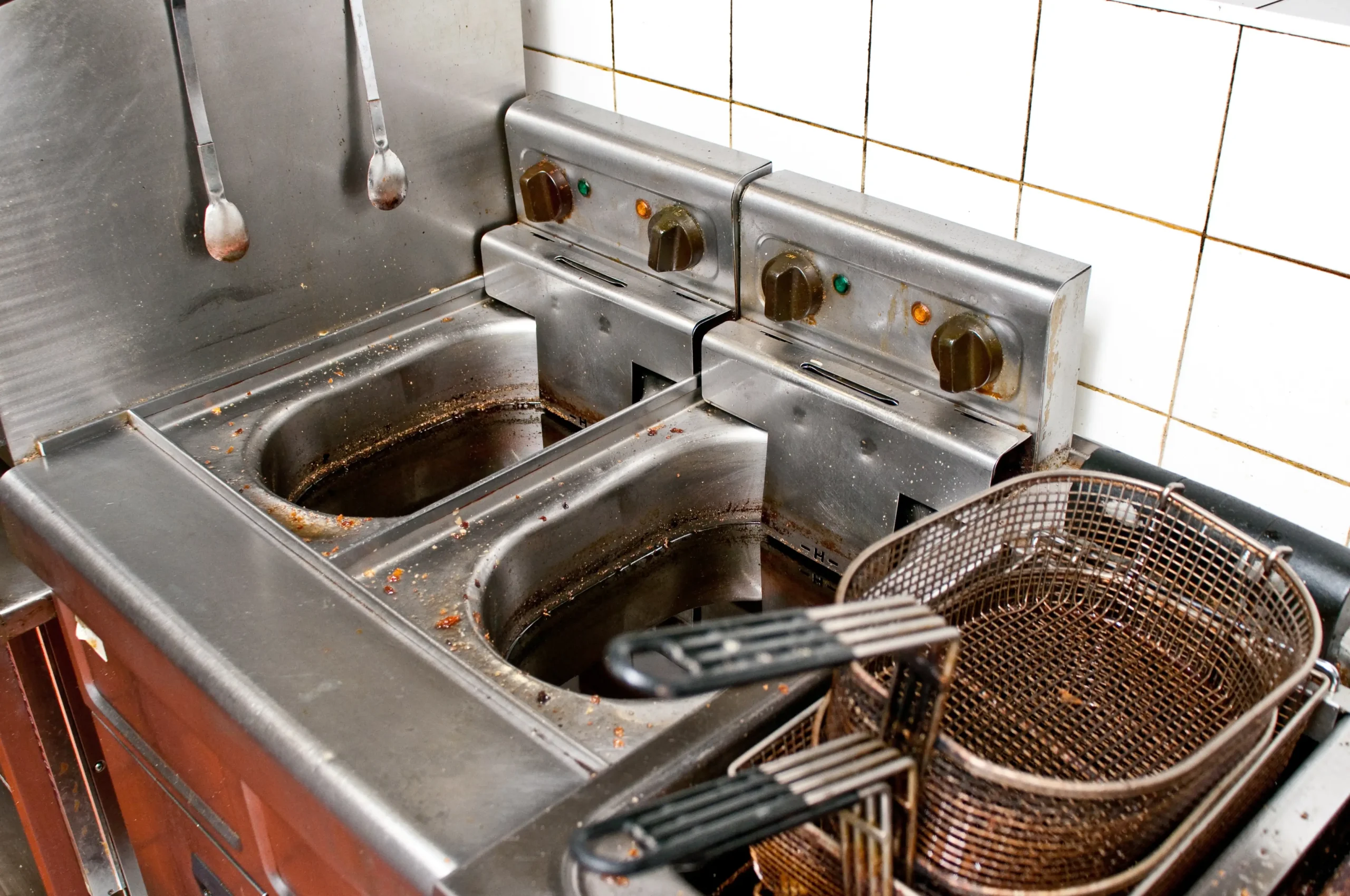
Cleaning grease residue from equipment is an important part of daily restaurant kitchen maintenance.
Why Scheduled Inspections and Cleanings Are Also Crucial
Even with daily cleaning and regular equipment checks, some items in a commercial kitchen should only be inspected by professionals with the right training and certifications. While the extent of NFPA 96 adoption and enforcement will vary depending on the local jurisdiction, the standard states that food equipment must be inspected by such professionals annually, while a restaurant’s fire extinguishing system should be inspected at least every six months.
Exhaust systems also do a lot of the heavy lifting when it comes to preventing restaurant kitchen fires –eliminating grease-laden vapors from the air in these spaces. That’s why these systems must also be inspected regularly. Should these inspections reveal grease or creosote buildup, the affected system components must be professionally cleaned. Afterward, the inspector should provide the restaurant owner with a written report that notes the volume of the buildup, any necessary repairs, and areas that couldn’t be accessed or cleaned. The fire marshal or designated local official who examines the restaurant’s facilities will review records to ensure inspections have been completed and verify there is no hazardous buildup while they are there.
If a fire breaks out in a restaurant kitchen, experienced investigators will also refer to inspection records for a history of exhaust system cleaning and maintenance. They will carefully inspect the system for evidence of grease deposits, as this buildup can become a fuel load and contribute to the start of a fire if a competent ignition source is present.

The first fuel ignited in this fire investigated by Donan Fire Investigation, now National Fire Experts, was a creosote and grease mixture in the exhaust duct.
When Maintenance is Overlooked
Although all these practices are important for maintaining a safe, working commercial kitchen, sometimes these tasks can get overlooked and result in a minor to major fire. It’s crucial to evaluate if any lapses in maintenance contributed to your restaurant kitchen fire claims.
National Fire Experts, part of Alpine Intel’s suite of services, uses fire patterns, fire dynamics, witness statements, and other information gathered through onsite investigations to determine the most plausible origin and cause of both commercial and residential fires. We understand the importance of proper kitchen maintenance and have seen first-hand how grease and creosote buildup can play a major role in a restaurant kitchen fire’s ignition and spread. Submit an assignment for actionable insights about the origin and cause of your next fire claim.

Don’t miss insurance-focused resources and webinars about property, perils, and trends impacting claims nationwide by signing up for The Savvy Adjuster Newsletter.

Be sure to also tune in to The Savvy Adjuster Podcast to hear more from the experts themselves.
Alpine Intel’s content is meant to inform and educate readers using general terms and descriptions. They do not replace expert evaluations that determine facts and details related to each unique claim.
Related Resources

Kitchen Equipment Fire Case Study
The policyholder and the insurance adjuster handling the claim weren’t sure how the garage fire started and needed conclusive evidence to know why it occurred and how to prevent another one.
Apartment Fire Case Study
Learn our fire investigation process and how we secure evidence with this fire case study that has indicators of incendiary fire.

Truck Fire Case Study
Learn how the National Fire Experts investigator determined the origin and cause of a truck fire using fire patterns, witness statements, and other evidence.