
Identifying Sump Pump Failure and Structural Damages

Sump pumps are a good tool in the fight against water damage to low-lying areas of a house. When they fail, basement flooding and long-term water damage may follow. Claims involving sump pumps can benefit from both an onsite study to identify the full scope of electrical or structural damage and a product failure assessment to determine the cause of failure and help adjusters recognize subrogation opportunities. Here’s what you should know when handling claims that include sump pumps.
What Is a Sump Pump?
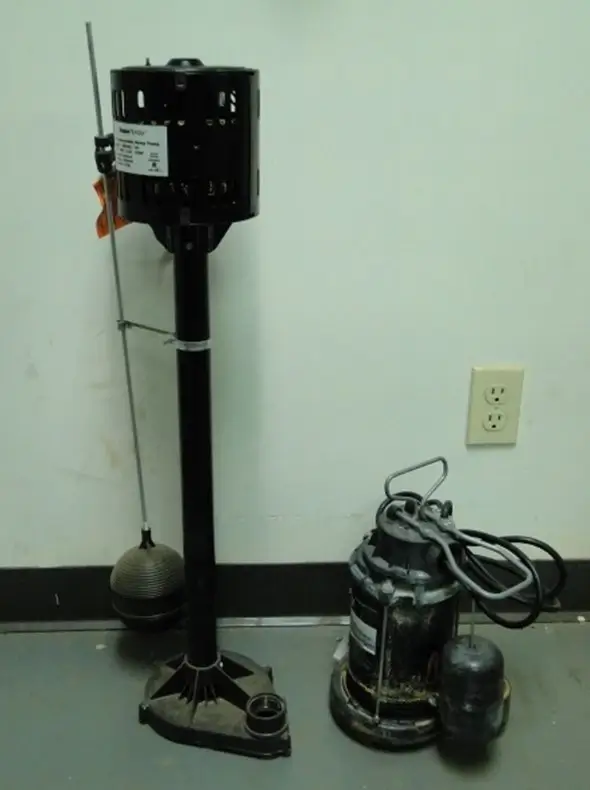
Whether they are pedestal or submersible pumps, sump pumps serve a vital function: preventing flooding in low-lying areas of a house.
A sump pump is a device that removes water from low-lying areas like basements or crawlspaces and transports it away from the house. Valves or switches gauge water levels within the pump basin, and when the water fills the basin to a certain height, the device removes excess water to a drainage area, usually 20 to 30 feet from the structure, via a discharge line. Sump pumps can be either pedestal-style or submersible. Submersible pumps are more popular because they tend to be quieter and better able to filter solids that may enter the pump system, but pedestal pumps are often used when space is limited. Whichever type your policyholder has, it’s important that it is able to effectively remove water from the house.
Potential Causes of Failure to Sump Pumps
Power Outages and Surges
In the absence of a backup power source, electrical failure means the pump cannot operate, which may lead to flooding within the house. If power is suddenly restored, the resulting surge could cause the sump pump to overload and short out.
Neglected Maintenance and Wear and Tear
Like most high-use devices, sump pumps require regular maintenance. Homeowners should clean the pump at least once a year to prevent clogging, and regular lubrication can keep the pump from seizing up. Most pumps can be expected to last between seven and 10 years, and may start to cycle irregularly or continuously when they are nearing the end of their lifespan.
Incompatible Materials
Water is not compatible with the internal elements of switch housing and motor housing. If water enters the switch housing or motor housing on the pump, the pump can fail. Pressurizing and/or submerging the housing can help experts identify whether it is free of water, but these determinations must be made before destructive testing of the housing. If the housing is free of water penetration, destructive testing may uncover corrosion. In this case, it is important to understand what incompatible materials reached the pump housing and how.

Pressurizing and submerging a switch housing before destructive testing can help experts determine whether water, an incompatible material, has entered the housing.
Blockages
Debris such as leaves, twigs, or small stones can lodge inside the pump, which may prevent it from operating. If the discharge line or air release hole is obstructed, water can back up and lead to flooding.
Improper Installation
Improper installation is often evident through leaks or failure to allow water to flow properly, even when there is no visible obstruction. Installers may also use the wrong size pump for the house, which can lead to burnout or overloading. Most houses require a 1/3 horsepower pump, but needs may change based on home size and the water table, so professional input is essential when homeowners choose a sump pump.
Overloading
This failure occurs during periods of excessive rainfall or flooding, when the amount of water overwhelms the pump. This can also be the result of the installed pump being too small to handle expected amounts of water. Microscopic assessments can identify switch contact failures where the metal is excessively corroded. Along with the sump pump’s manufacture date, installation date, and more, the results can start to paint a picture of excessive water exposure.
If unchecked, the result of almost all of these failure modes can be flooding to the basement, so identifying why the sump pump failed is often only half the story.
How Sump Pump Failure Can Cause Structural Damages
Even with a failed sump pump, it’s important for an accurate claim settlement to confirm how the water entered the basement. A licensed forensic engineer can assess the property for other causes of loss as well, such as cracks in the foundation, backed-up drains, or leaking pipes. There are many possible water sources, and since 98% of residential basements experience water damage during their lifespan, it’s important to know whether the cause is covered by each homeowner’s policy to prevent claims leakage.
It’s also essential from a health and safety standpoint. Sump pump failure may result in gray water, wastewater that can develop into black water over time and pose a serious health risk. Unaddressed water damage can also lead to microbial growth, which can create a dangerous environment when it enters the air. Identifying and mitigating water damage is vital not only to your claim but to the health of a structure and its occupants.
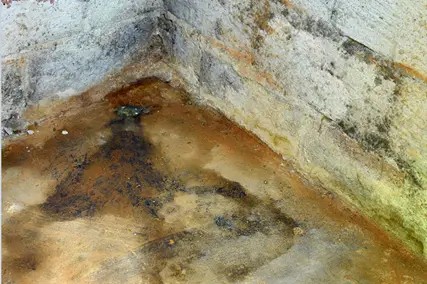
Fully addressing a claim that involves a sump pump often means both identifying the cause of failure and the extent of water damage.
When you’re looking for an accurate settlement on a claim involving a sump pump or water damage, get the most out of your property assessment partner through Alpine Intel’s suite of services. StrikeCheck and the Component Testing Lab can answer your questions about the pump’s failure or help you determine if there are subrogation opportunities, while Donan’s forensic engineering team provides insight into the cause and extent of water damage. To experience how we can help you with sump pump claims and more, submit an assignment.

Don’t miss insurance-focused resources and webinars about property, perils, and trends impacting claims nationwide by signing up for The Savvy Adjuster Newsletter.

Be sure to also tune in to The Savvy Adjuster Podcast to hear more from the experts themselves.
Alpine Intel’s content is meant to inform and educate readers using general terms and descriptions. They do not replace expert evaluations that determine facts and details related to each unique claim.
Related Resources
Well Pump Diagram
We want to give you the tools to feel assured that your evaluations of well pump claims are thorough and accurate.
Heat Pump Glossary
We’ve crafted a quick reference guide to the components of heat pumps and explained the functions of each part in straightforward terms.
Well Pump Case Study
Lightning damaging a well pump and causing it to trip the electrical panel? Seems like it could be plausible if the equipment wasn’t inspected thoroughly.