
The Importance of Origin and Cause for Vehicle Fires

Key Takeaways
This adjuster resource explains:
- Why systematic origin and cause investigations are critical for accurate vehicle fire claim resolutions
- What expectation bias is and why it must be avoided
- Best practices for preserving evidence in a vehicle fire investigation
Vehicles accounted for 16% of total reported fire incidents from 2018–2022, according to the most recent study from the National Fire Protection Association (NFPA). They also caused around $2.8 billion in direct property damage, a number that highlights the importance of accurate claim settlements. Just as it does with a structural fire, an origin and cause investigation on a vehicle can help adjusters determine whether the damage is covered by the policy. Here’s why unbiased determinations are so important for vehicle fire claims, and what you can do to maintain evidence integrity.

Vehicle fires account for a significant number of reported fire incidents, and the damage they cause may be costly.
What Origin and Cause Investigations Bring to a Vehicle Fire Claim
Origin and cause investigations are especially critical for vehicle fire claims because settlements based on a deep knowledge of fire behavior, growth, and development are more likely to be fair and accurate. Vehicle fires can result from a range of potential ignition sources, from the engine and fuel system to the electrical components and lithium-ion batteries in electric vehicles. The fuel, plastics, nylons, fiberglass, and vinyl that make up many vehicles also burn and melt quickly, which can make interpreting fire and damage patterns especially challenging.
Certified fire investigators can examine all of these factors, as well as gather relevant information from first responders, public adjusters, witnesses and/or vehicle owners, and other involved parties. These interviews can paint a fuller picture of the vehicle’s condition prior to the fire and the events surrounding it. Moreover, a certified fire investigator can avoid expectation bias by holistically considering:
- On-site evidence
- Vehicle history
- Witness statements
What Is Expectation Bias, and Why Must It Be Avoided in Vehicle Fire Investigations?
You may have heard that what you look for is what you find. This is great if you’re looking for silver linings or career growth opportunities, but in scientific applications it’s known as expectation bias, and it’s essential to avoid it for an accurate settlement. This is why a complete origin and cause investigation goes deeper than just secondhand information and must account for on-site evidence.
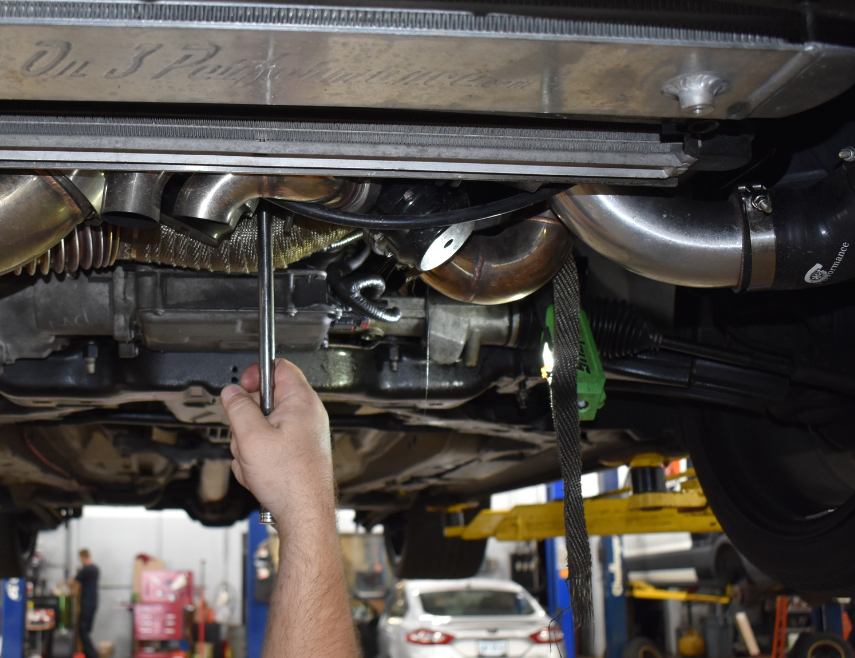
Maintenance history is important evidence when it comes to a vehicle fire investigation, but like witness statements and product recalls, it’s just one piece of the puzzle.
Per the scientific method and NFPA guidelines, data collection and analysis should support the conclusion of an origin and cause investigation. For example, you might have a vehicle fire claim in which you know the vehicle’s owner and only driver smokes. With this information, the investigator may hypothesize that a lit cigarette was dropped onto an ignitable material, causing the fire.
However, the owner insists he never smoked in the vehicle, and no remnants of smoking materials are found inside. Thorough lab testing confirms traces of an accelerant on the backseat around what was determined to be the area of origin, identified through analysis of burn and damage patterns in conjunction with other scene evidence. Expectation bias occurs if the investigator fails to consider all the evidence that disproves their original hypothesis and explore a new one. The data might lead an investigation to a wholly unexpected conclusion, but that’s precisely why a reputable, certified fire investigator is vital to the process.
These experts know that a recall for the subject vehicle may not be related to the fire at all, and that recent mechanical work doesn’t automatically narrow down the point of origin. By following the scientific method, investigators ensure that all evidence is considered and that facts outweigh any preconceived ideas of origin and cause, meaning that your claim resolution is based on science rather than hearsay or cursory observations. This expert consideration is especially important for vehicle fire claims because the evidence is more likely to have been altered since the fire.
Preserving the Evidence After a Vehicle Fire
As with all fires, it’s best if an expert can examine the evidence as close to its condition at the time of loss as possible. Because many vehicle fires occur on roads, it’s not always feasible to investigate the vehicle at the loss location. Don’t be deterred if it’s been moved; in fact, this highlights the need to have an expert examine the vehicle.
If the vehicle has been moved, make sure it’s safely wrapped or otherwise secured to avoid any unauthorized parties entering it to remove items or alter the scene. It’s also important to limit who is permitted access, and after firefighting and relocation efforts (if any) are complete, no one should handle the vehicle without your investigator’s knowledge or, ideally, presence.

Wrapping the subject vehicle before, after, and between inspections can help preserve the integrity of the evidence for a more accurate origin and cause determination.
Origin and Cause: Beyond the Claim
Obtaining an accurate, scientific origin and cause for a vehicle fire means more than just closing out a claim. If the case goes to litigation, you not only have a report that explains the process, evidence, and science behind its conclusions but also a certified professional who can defend their findings. When you’re looking for a fire investigator, make sure your pick is ready to provide expert testimony if needed. A reputable investigator will be aware that their conclusions may be challenged, which is why an origin and cause determination based on just the facts is vital to your vehicle fire claim.
National Fire Experts, a part of Alpine Intel’s suite of services, provides actionable intelligence for residential, commercial, industrial, vehicle, marine vessel, and specialty equipment fires with the highest degree of accuracy, consistency, and professionalism. Our experts adhere to NFPA guidelines and are qualified to review the evidence at any fire scene through our 11-step investigation process. Submit an assignment for a comprehensive origin and cause investigation.

Don’t miss insurance-focused resources and webinars about property, perils, and trends impacting claims nationwide by signing up for The Savvy Adjuster Newsletter.

Be sure to also tune in to The Savvy Adjuster Podcast to hear more from the experts themselves.
Alpine Intel’s content is meant to inform and educate readers using general terms and descriptions. They do not replace expert evaluations that determine facts and details related to each unique claim.
Related Resources
Your Guide to Decoding Range Top Fires
Make sure you’re getting what you need from your investigative partners for kitchen fire claims by arming yourself with basic facts and key indicators.
Understanding Fires Caused by Winter Items
Winter’s chill and festive cheer come with an unexpected risk: house fires. Learn the common culprits of winter fires!
How Intensity and Duration Dictate Structural Damages in Fires
Ever wonder how fires impact structures? For adjusters, diving into fire dynamics could unlock more accurate claims. Learn more!