What’s a Puffback? A Rundown for Property Claims Adjusters
Colder months for some of your policyholders can get a little messy. During this time, adjusters are likely to see an increase in claims that include furnaces and boilers, in part because of puffbacks.
A puffback is an event in which a buildup of unburned fuel ignites and pushes back out of the burner section of a furnace or boiler instead of burning cleanly into the burner area. Puffbacks can release smoke or soot throughout the heating equipment or into a forced air system’s ductwork. This could cause a lot of property damage, and it may even resemble the aftermath of a fire to policyholders. But before resolving related claims, adjusters should learn the underlying reasons puffbacks occur, and what causes of loss they may be associated with.
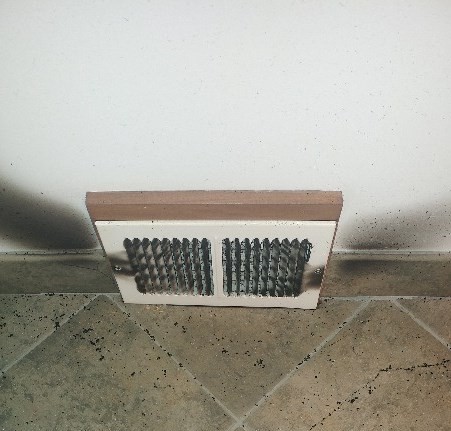
The smoke and soot that often accompany a puffback may lead policyholders to believe fire has taken place.
Why Do Puffbacks Occur in Heating Equipment?
Furnaces and boilers that use oil as their fuel source are more susceptible to puffbacks, though they can occur to those that run off gas too. The differences are the increased amount of maintenance required with oil furnaces and boilers, and that excess oil is harder to dissipate than gas. Puffbacks in gas equipment are not as common.
A boiler or furnace puffback is a sign that an issue exists within the system. Something has caused oil or gas vapors to build up within the heat exchanger and ignite when the system turns on. The force of all of it igniting at once causes the puffback, which could range in severity. Puffbacks could happen during one incident or every time the heating system starts, depending on what’s causing them.
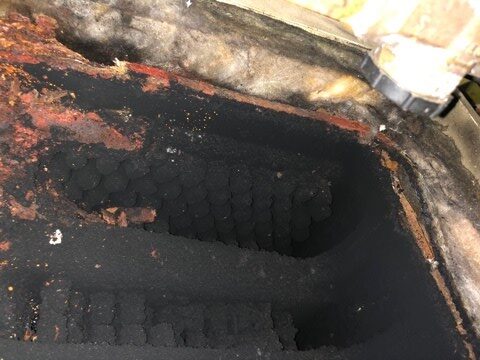
This boiler sustained a puffback after the system misfired and caused excess fuel to build up in the heat exchanger.
Buildups of gas and oil typically occur because a component is not working as designed, which may sometimes be linked back to a lack of maintenance or wear and tear.
Causes of fuel buildup include:
- Leaks near the heat exchanger, allowing excess fuel to enter the system
- A policyholder repeatedly resetting the system when it fails to start immediately, causing unburned fuel to accumulate
- A clogged burner filled with dirt, dust, fuel residue, rust, or corrosion, which can lead to misfires and allow excess fuel into the heat exchanger, depending on the system type
- A clogged or cracked fuel nozzle, which can disrupt the proper flow of fuel; If too little fuel enters, the nozzle may continue spraying, resulting in excess fuel accumulating and igniting when the system eventually starts.
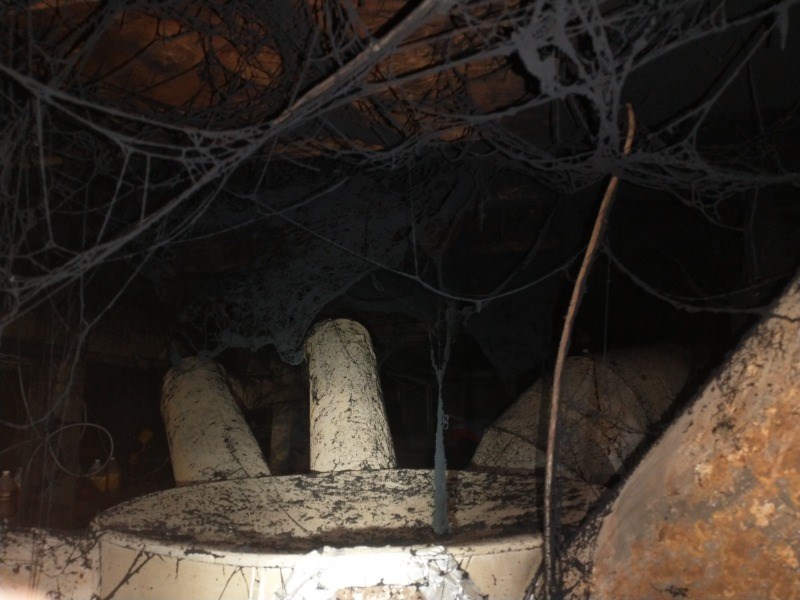
The burner to this furnace was clogged over time due to lack of maintenance. This reduced the flow of combustion gases through the furnace and resulted in an internal pressure irregularity.
Another reason fuel can build up is from internal pressure irregularities, which lead to air and fuel imbalances. Components malfunctioning from wear and tear may cause this.
Explanations for internal pressure irregularities include:
- Dirt, dust, fuel residue, rust, or corrosion obstructing an exhaust or chimney and inhibiting proper ventilation
- A cracked heat exchanger keeping combustion gases from venting out of the furnace, which could allow gases to enter the heat exchanger
Preventing a Puffback
Puffback prevention may be possible through regular furnace and boiler maintenance. This includes routine cleanings to remove debris and buildup, replacing the oil filter to ensure clean fuel, monitoring for unusual leaks or noises, and using a carbon monoxide detector. Since carbon monoxide levels often rise during a puffback, a detector can provide an early warning to policyholders.
If proper maintenance isn’t completed by an HVAC system expert, puffbacks may occur and result in property claims.
Testing for a Puffback
It may not always be obvious whether an HVAC system was damaged by a puffback or by something else, such as smoke and fire. Even if a puffback can be confirmed, it’s also important to determine whether it was caused by a lack of maintenance, wear and tear, or another factor. Testing for a puffback can include evaluating for leaks, assessing for clogs, or performing a candle check, which is monitoring the flame of a lit candle held near a blowing heat exchanger.
However, a policyholder should never complete these actions to determine if a puffback occurred. They can be dangerous and so is this equipment if handled by an untrained person. It’s also crucial that an objective expert assess puffback damage to ensure the policyholder—and the carrier—have accurate repair or replacement recommendations.
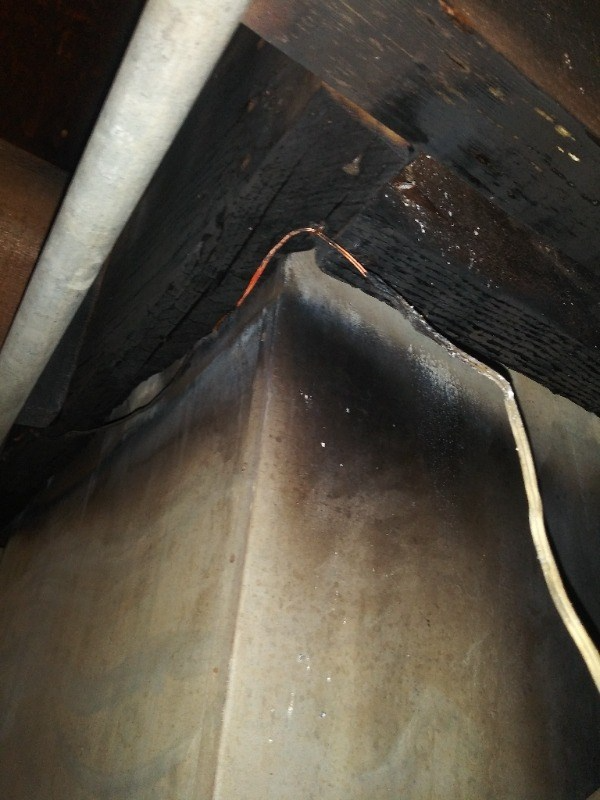
A policyholder claimed this furnace was damaged due to smoke and fire; though, the cause of loss was wear and tear from naturally occurring corrosion and exposure to heat over time.
HVACi, part of Alpine Intel’s suite of services, provides assessment reports that enable adjusters to confidently decide how to proceed with HVAC claims. These include accurate cause of loss and scope of damage determinations, objective repair and replacement recommendations, and settlement recommendations based on market value.
Don’t try to verify puffback damage and its root cause alone. For expert help with heating equipment or other HVAC claims, submit an assignment.

Don’t miss insurance-focused resources and webinars about property, perils, and trends impacting claims nationwide by signing up for The Savvy Adjuster Newsletter.

Be sure to also tune in to The Savvy Adjuster Podcast to hear more from the experts themselves.
Alpine Intel’s content is meant to inform and educate readers using general terms and descriptions. They do not replace expert evaluations that determine facts and details related to each unique claim.
Related Resources
Boiler Glossary
When they break, it’s not always immediately clear what damaged them, if the loss can be covered, or whether they can be repaired.

7 Causes of Furnace and Boiler Puffbacks Guide
Before settling a claim for the damaged furnace or boiler, find out if one of these 7 causes of furnace and boiler puffbacks triggered the incident.
Winter Property Damage eBook for Adjusters
Download the eBook to learn about losses linked to cold weather and prepare for winter claims involving HVAC equipment, structures, and fires.