
Don’t Go in the Basement! (And Other Bad Habits that Hurt Homeowners)

Living in a house with a basement can conjure up images of true horror – maybe not ghosts and zombies but more realistic threats like leaking pipes and insect infestations. Every time there’s a creak from the bottom of the stairs, it’s accompanied by a primal instinct: Don’t go in the basement.
Homeowners should ignore that voice! Regardless of horror movie messages, residents should head downstairs with confidence and get to know the hidden corners of their houses. Basement damage that goes unnoticed can have long-term effects that work their way upward and outward, leading to inconvenient and costly repairs.
Several bad habits contribute to basement neglect. Here are the most common homeowner mistakes, and how to save a lot of hassle by correcting them.
Bad Habit #1: Not Going into the Basement
Many homeowners don’t have a reason to visit their basement often. Maybe there’s nothing down there except holiday storage. Maybe they just throw in a load of laundry and put on blinders to everything else.
How It Hurts:
Not knowing what the basement looks (and smells) like makes it difficult to recognize new structural or basement water damage vs. old structural or basement water damage. How long has that standing water been in the corner? Was the crack in the wall always that wide and long? Negligence can allow these issues to go from needing quick maintenance to requiring major repairs.
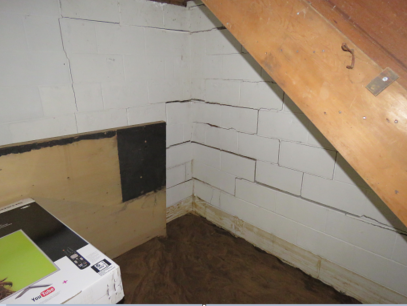
Cracks in seldom-used areas of the basement can become structurally threatening before they’re noticed by a homeowner.
How to Correct It:
Regular visual inspections by the homeowner facilitate early identification and repairs, which keeps damage from spreading throughout the basement and the rest of the house.
Bad Habit #2: Ignoring External Threats
Maybe homeowners have a frequently used basement, complete with a family room or office. They might notice a new crack or leaking pipe immediately but totally disregard pooling water around the foundation outside. But as the saying goes, an ounce of prevention is worth a pound of cure.
How It Hurts:
Entire sections of building code are devoted to good drainage practices. Water pooling too close to the foundation can penetrate even a concrete wall, and saturated soils too near a house can create pressure on exterior walls. Plants positioned too close to the house can spread their roots into the foundation as well, causing slow deterioration.
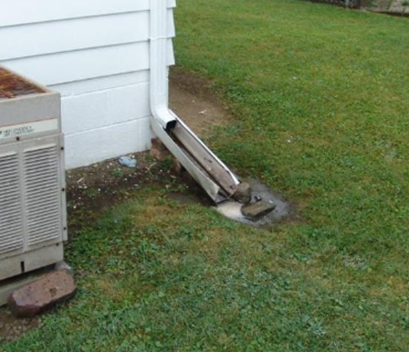
Inadequate drainage systems are common culprits for basement water intrusion and soil subsidence.
How to Correct It:
Basic awareness and preventive maintenance, such as ensuring that drainpipes discharge far enough from the foundation and keeping an eye on creeping root systems, go a long way toward staving off exterior threats to the basement.
Bad Habit #3: Assuming a Quick Fix Is Enough
Most homeowners have the same response to visible structural problems or basement water damage: fix it as quickly and easily as possible. Soak up that standing water, put some plaster over that crack, tighten that pipe.
How It Hurts:
Just because things look good doesn’t mean they’re structurally sound, and this brings us back to Bad Habit #1. Sure, the standing water is cleaned up – but how long was it there? It’s possible that it created an environment for insect larvae, or enough humidity in the air to foster mold growth. These issues may not present immediately and can slowly degrade building materials like drywall and wood – even insulation and floor structures leading to the rest of the

Dark-colored water stains indicate that moisture has affected this sheathing for a long period of time without remediation.
How to Correct Basement Water Damage:
After a water intrusion event or leak, it’s important to assess the basement for ongoing perils. Some thermometers can measure moisture in the air, and remediation efforts can address humidity concerns.
Basements don’t have to be scary! Homeowners can take steps to prevent a lot of damage, but some perils are outside of their control. When structural concerns about basements—or other areas of the house—are included in a claim, submit an assignment to Donan Engineering, part of Alpine Intel’s suite of services, to determine the cause and scope of the damage.

Don’t miss insurance-focused resources and webinars about property, perils, and trends impacting claims nationwide by signing up for The Savvy Adjuster Newsletter.

Be sure to also tune in to The Savvy Adjuster Podcast to hear more from the experts themselves.
Alpine Intel’s content is meant to inform and educate readers using general terms and descriptions. They do not replace expert evaluations that determine facts and details related to each unique claim.
Related Resources

Tornado Damage to Residential Structures
Tornadoes occur throughout the United States, so it’s important to know why they form and how tornado-related property damage is assessed.

Wind Damage to HVAC Condensing Units Guide
Knowing what wind damage looks like, possible repair methods, and other common causes of loss may help prevent claims leakage.
Smoke and Fire Claim Case Study
The HVAC system described in this claim assigned to HVACi was near an area that experienced a garage fire. The adjuster sought HVACi’s expert help to determine if the furnace and ductwork were affected and needed replacement.