
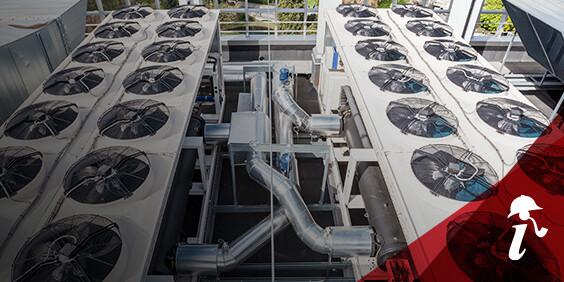
Beyond the Basics: Advanced HVAC Systems Webinar Recording
Build your expertise with complex HVAC equipment—understand advanced technologies, damage patterns, and real-world claims involving geothermal, make-up air units and more.
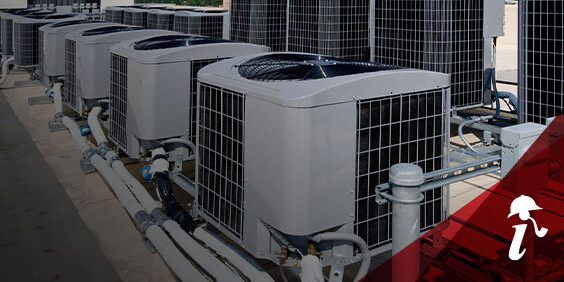
2023 Efficiency Changes for HVAC Systems
Several new U.S. Department of Energy (DOE) efficiency regulations related to HVAC systems took effect Jan. 1, 2023. Insurance professionals should know how these rules may impact their policyholders.

Commercial Claim Guide: Chiller Basics
Claims involving commercial HVAC equipment can be complex, particularly when it comes to chillers. Determining the cause of loss, scope of repairs, and an accurate settlement amount can be daunting for even the most experienced adjuster.
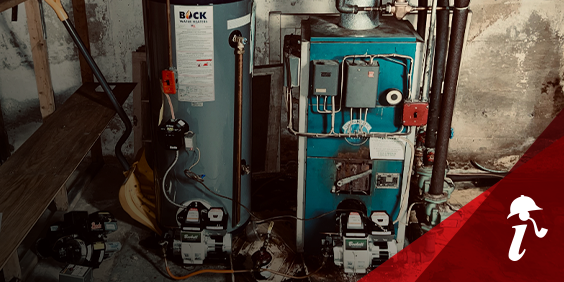
The Dangers of Freezing Water and Boilers
As we turn our attention toward cold weather conditions where freezing water can wreak havoc on commercial and residential property, the threat of catastrophic failure to boilers looms large.
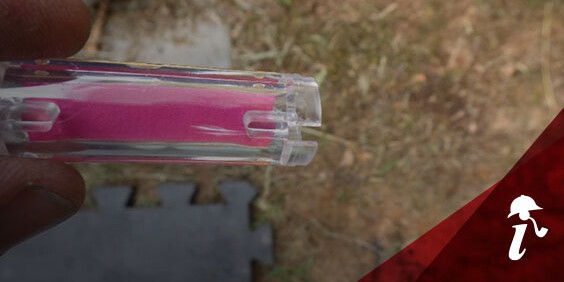
Understanding HVAC Diagnoses – Acidic Refrigerant
One symptom that is regularly misinterpreted as lightning damage is acidic refrigerant in the system.

The Basics of Chillers
These systems are often intricate and specialized based on the space or equipment they’re cooling, meaning they present their own challenges to insurance adjusters like you.
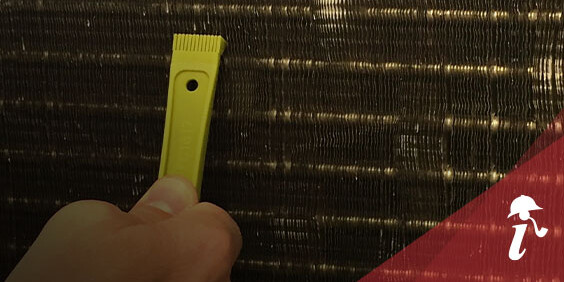
The Effect of Corrosion on Repairing Hail Damaged HVAC Coils
HVAC systems, particularly condensing units and package units, have a high risk of hail damage.
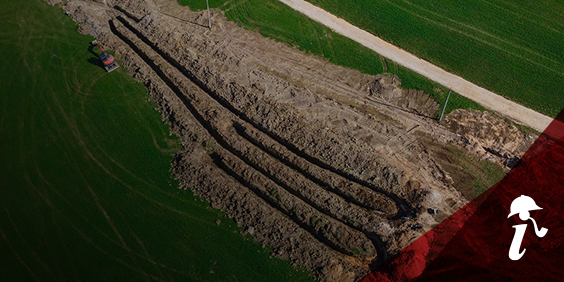
Why Are Insurance Customers Turning to Geothermal?
Geothermal systems pose unique claims resolution challenges, and objective expert assessments may be required to help resolve claims accurately.
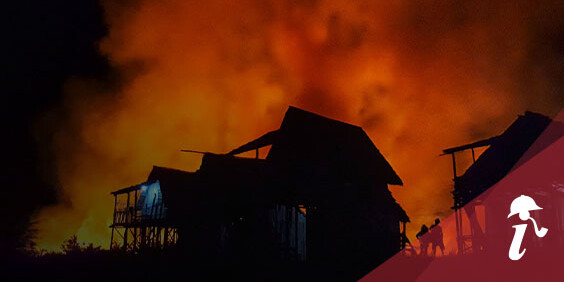
Your Guide to Smoke and Fire Damage to HVAC Systems
Explore our interactive guide to learn about common types of smoke and fire damage HVAC components are susceptible to, find out which components may ignite a fire, and discover more handy resources.
4 Things Adjusters Should Know About the HFC Phasedown
National initiatives for more environmentally friendly alternatives to certain gases used in HVAC refrigerants are in motion and will continue to progress in the coming years.
Alpine Intel’s content is meant to inform and educate readers using general terms and descriptions. They do not replace expert evaluations that determine facts and details related to each unique claim.