
Haven’t the Foggiest? What You Need to Know About Fogging Windows in Claims
Double-paned windows are the most popular types of residential windows in the United States. They’re particularly susceptible to fogging, which compromises the functionality and aesthetics of the affected windows.

3 Questions To Ask About Water-Related Structural Claims
Review the three questions in this article to more confidently reach an accurate claim resolution when water-related structural damage is involved.

Common Window Failures and How To Find Them
Following a window failure, knowing what happened and how is crucial to restoration and prevention of future losses.

Residential Windows 101 Guide
Windows are often some of the most appreciated features of homes, and a damaged window can feel like a chink in a house’s armor.
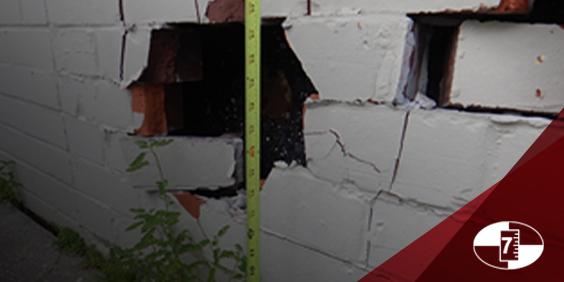
4 Resources Important to Your Structural Property Claims
Reputable resources such as materials testing standards, building codes, weather data, and subject matter organizations help experts bring you conclusions that support a fair and defensible claim decision.
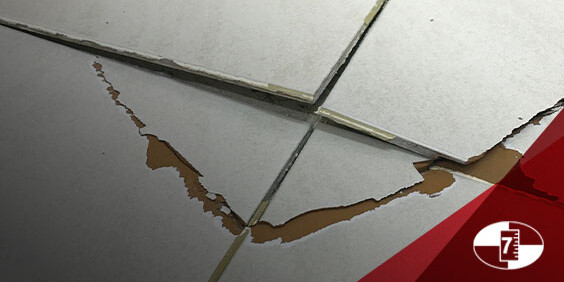
Under the Surface: Four Conditions Tile Cracks May Indicate
Cracked tiles are often symptoms of more extensive issues, and ignoring them can be a serious mistake.
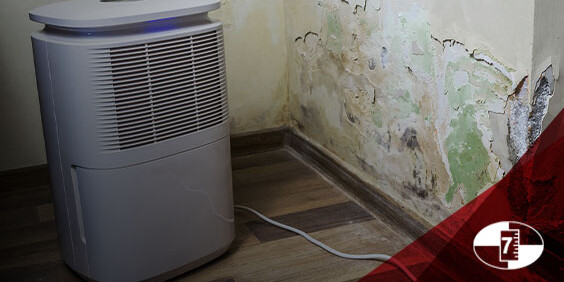
Moisture-Related Drywall Losses
Learn how moisture exposure, including humidity, can damage drywall and how Professional Engineers assess where water came from and the duration of exposure.
Why the Scientific Method Matters to Forensic Investigations
The scientific method is a tried and true method of examining evidence to arrive at a conclusion that’s unbiased and supported by facts.
Investigating Lightning Fire Claims
While structural fires as a direct result of lightning are rare, they do occur, and it’s important to get all the facts from the scene before you make a claim decision.

Wind Damage to Asphalt Shingles Webinar Recording
Understanding what makes these shingles so prevalent and their vulnerabilities to wind damage can help you address wind and roofing claims from policyholders.
Alpine Intel’s content is meant to inform and educate readers using general terms and descriptions. They do not replace expert evaluations that determine facts and details related to each unique claim.