
What Claims Managers Should Look for in an Assessment Partner

While there’s not a precise optimal number of adjusters or open cases claims managers should oversee, most are involved, in one way or another, with hundreds of claims at any given time. This may seem overwhelming, but claims aren’t settled in a vacuum. They often require the input of one or more vendors who know property as well as you know policies. These vendors should facilitate a manager’s role by answering adjusters’ questions and presenting a professional face to your policyholders. Here are a few things you can look for to make sure your vendor is addressing your team’s assessment needs.
Objectivity When Determining Cause of Loss
An unknown cause of loss is among the most common obstacles to an accurate settlement that adjusters cite. A key reason to call in a vendor is for objectivity, which managers can help ensure by confirming a potential partner’s scientific approach to each claim.
Objectivity is paramount to your team’s settlement decisions for several reasons. First, it lets your policyholders know that their claims are being analyzed in good faith, based on facts rather than the carrier’s – or contractor’s – bottom line. As you know, relationships are the lynchpin of the insurance industry, and maintaining a reputation for fair, unbiased resolutions is necessary to ongoing success.
You’re also more likely to get an accurate cause of loss from your vendor if they approach each assignment without bias. Ultimately, this not only helps your team and policyholders feel better about the settlement but may also save your time in the future. SIAA reported that the percentage of insurance claims that went into litigation rose about 47% from 2017 to 2021. An objective conclusion is less likely to lead to litigation – and more likely to hold up under examination if it does.

Ensuring your adjusters have an objective cause of loss determination to base their claims decisions on can help alleviate future litigation risk.
As a manager, there are several ways you can determine if a potential vendor is likely to be impartial. Look on their website or ask a representative about the codes and regulations they follow. Local and national building codes, National Fire Protection Association (NFPA) guidelines, the National Electrical Code (NEC), and federal HVAC regulations are just a few key words to look for. If they have case studies available, you can gain insight into their processes and how they meet challenges to make sure they’re equipped to handle your property claims. You can also use your network to learn what other managers who have used potential vendors have to say about the experience.
Transparent Processes and Communication
While they should be objective, vendors also represent your carrier to the insured and other parties they interact with during the claim’s life cycle. You’re their customer; expect them to treat you with the same professionalism with which you treat your policyholders. There are a few communication musts for any vendor you trust with your claims assessments:
- You know their processes up front. There’s no room for surprises when you’re involved in hundreds of claims. A vendor should clearly explain their timeline for the assignment, who will be involved in the assessment, and the projected cost. Updates about any changes to your cycle time or invoice should be communicated. Many vendors make use of digital tools for a more streamlined communication process.
- They’re flexible and clear when communicating with the policyholder. With the policyholder, your assessment vendor should handle scheduling that works with the insured’s timetable, make it clear why they’re coming, and collect witness statements. Good communication also requires flexibility. While phone calls have previously been the method of choice for carriers and vendors alike, 80% of policyholders now report that they prefer to make appointments and conduct other claim-related business via text.
- They work with other parties. If other parties are involved in the claim, vendors can relieve you of some of the legwork involved in arranging joint inspections and collecting information, keeping your team in the loop while freeing you to focus on other duties. They can also conduct witness interviews, so your team can compare the initial claim to information gleaned by the expert.
Reliable Documentation of Evidence
Witness statements aren’t the only thing your expert should record. From explaining a settlement decision to the insured to defending it in litigation, your claim rests on evidence. Before committing to an assessment partner, ask questions about how they document crucial evidence.
CLM reported that one thing managers wish their adjusters would do is secure clear photographs of the scene, an expectation that should extend to your vendors. While field adjusters know the policy, they might miss pertinent viewpoints if the claimed equipment is complex or if they don’t realize the extent of the damages. A property expert familiar with the reported loss should provide your team with the necessary images to support your settlement decision.
Once they determine the most plausible cause of loss, look for a report that provides conclusive answers and actionable recommendations. Most vendors will have sample reports available so you know what your team can expect from the partnership.
Ready to Answer Your Team’s Challenges
Each claim is different, and ultimately the question to ask your vendors is whether they’re equipped to handle the unique demands of each assignment. A few additional things to consider:
Geographical footprint. Whether your claim involves a commercial or residential assessment, your vendor should be ready to service a variety of property types nationwide.
Scalability. Catastrophic claims are on the rise. The Insurance Information Institute reported that large-scale disasters like hurricanes and tornadoes caused almost $80 billion in damages in 2023. A vendor must have a plan to scale up operations in response to an influx of claims.
Evidence management. Know your assessment partner’s plan for evidence, and make your expectations clear about who will be in possession of it, who can ship it if needed, and how it should be secured.
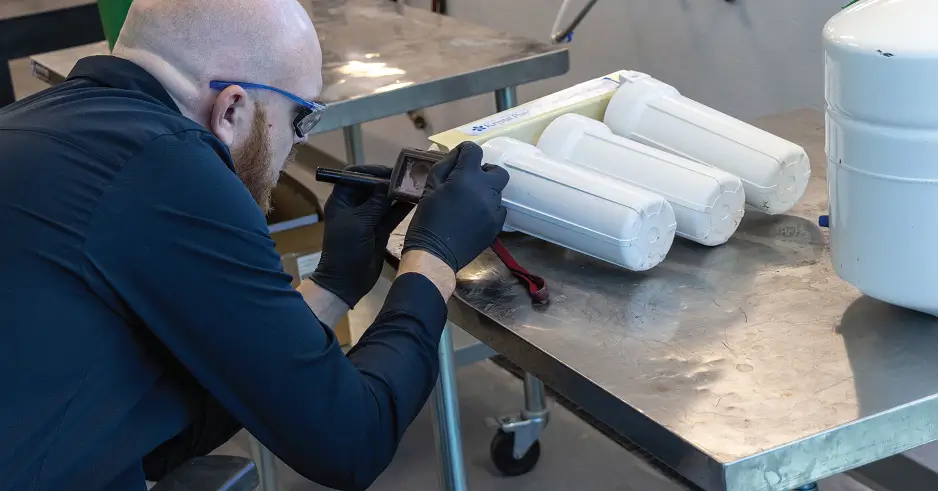
A carrier who offers comprehensive evidence management, including photographs and careful documentation, can ease the burden on carriers.
Beyond Inspections. A vendor who meets all your assessment expectations may be able to bolster your team even more. Look into whether they provide educational opportunities for your team, either via CE courses or resources that can build a professional library.
A Broad Range of Expertise
Claims involving multiple property types may require more than one specialized expert. For instance, a claim that includes both HVAC equipment and electrical items requires two unique and objective assessments. If you need to seek out different vendors for each property type, your cycle time may be negatively impacted.
Multiple specialized teams comprise Alpine Intel’s suite of services, designed to handle your assessment needs for a variety of property types and any claimed peril. Learn more about our inspections, educational courses, litigation services, and more, or submit an assignment to experience how our all-in-one property assessment services can help your team settle claims accurately and efficiently.

Don’t miss insurance-focused resources and webinars about property, perils, and trends impacting claims nationwide by signing up for The Savvy Adjuster Newsletter.

Be sure to also tune in to The Savvy Adjuster Podcast to hear more from the experts themselves.
Alpine Intel’s content is meant to inform and educate readers using general terms and descriptions. They do not replace expert evaluations that determine facts and details related to each unique claim.
Related Resources

Commercial Claim Guide: Chiller Basics
Claims involving commercial HVAC equipment can be complex, particularly when it comes to chillers. Determining the cause of loss, scope of repairs, and an accurate settlement amount can be daunting for even the most experienced adjuster.

Take 10: CAT Claims and Assessment | The Savvy Adjuster Podcast Ep. 13
CAT claims put a lot of strain on policyholders, insurance professionals, and property assessors, but there are ways to make life a little easier in stressful times.

Refrigerator Claims Guide
Factors like the broad range of market prices and the complexity of refrigerator components can make it difficult to determine the best next steps when settling claims.