
What Adjusters Should Know About the 2026 Tornado Season

Throughout this article, adjusters can find out:
- If location trends have changed for the 2026 tornado season
- About the frequency of tornadoes and nocturnal tornadoes
- The benefits of an engineering assessment for claimed tornado-related damage
In the first half of 2026, Illinois has been the site of more than 100 tornadoes—the most of any state for the calendar year. But tornadoes can touch down anywhere at any time. So, what does that mean for adjusters handling claims from the rest of the country?
Learn where tornado claims are more likely to occur, when tornadoes are most common, what are nocturnal tornadoes, and how forensic engineers can bring clarity and confidence to tornado-related claims regardless of location.
When and Where Are 2026 Tornado Season Claims Likely To Occur?
More than 1,500 tornadoes were reported nationwide in 2025, according to the National Oceanic and Atmospheric Administration (NOAA). Texas led with 162, followed by Illinois, Missouri, Mississippi, and Alabama, respectively. But 2026 tornado season forecasts suggest a decrease.
AccuWeather reports the number of tornadoes is expected to be “around the historical average” of 1,225, with severe thunderstorms more likely overall. Still, tornadoes are anticipated to occur from northern Georgia to Oklahoma and northward through most of Illinois and continuing eastward throughout peak tornado season, which typically occurs between March and June.
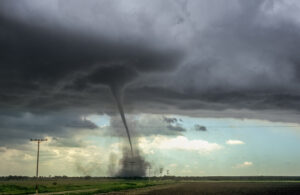
Tornadic activity can occur in any location, at any time, so long as atmospheric conditions are right.
Tornado reports are common in the Central Plains due to cold dry air from the north converging with warm and moist air from the southwest and Gulf Coast. Spring and summer continue to be common months for tornadic activity,though Weather.com’s 2026 projections suggest the chances of a tornado will see a northward shift further into the summer. Atmospheric changes to the jet stream, which affect wind speed and direction, contribute to that change.
Adjusters should keep in mind that the Central Plains region being called “Tornado Alley” is a misnomer, as tornadoes have been recorded in every state. The right conditions can form in any geographical area and at any time of day.
What Are Nocturnal Tornadoes?
A recent Villanova University study about nocturnal tornadoes explored their vulnerability and impact of nocturnal tornadoes. It found that at least 30% of tornadoes occurred in the evening across 13 states from 1950 to 2019. While the timing doesn’t affect how tornado-related damage occurs, it can influence how prepared policyholders are since nocturnal events occur when most people are asleep and may not have as much time to seek shelter.
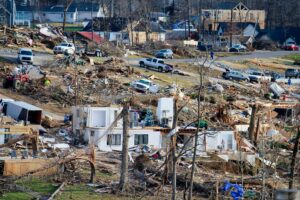
Tornadoes can be more deadly when the activity occurs in the evening, in part, because most people are asleep and unable to respond as quickly to warnings.
The researchers found a high frequency of nocturnal tornadoes in the Southeast, where, according to Weather.com, the combination of atmospheric conditions and the Gulf’s warm, moist air is conducive for tornadoes. During winter months, which naturally have fewer daylight hours, evening tornadoes are also more likely.
However, adjusters should remember that the time of day a tornado occurs doesn’t affect the amount of damage, how they are assessed, or how they’re included in claims.
Importance of Assessing Claimed Tornado Damage
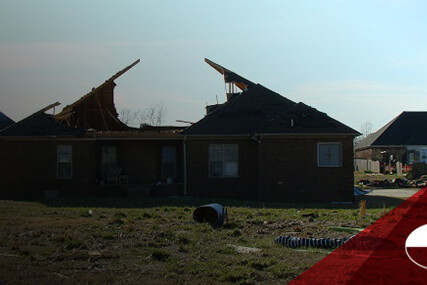
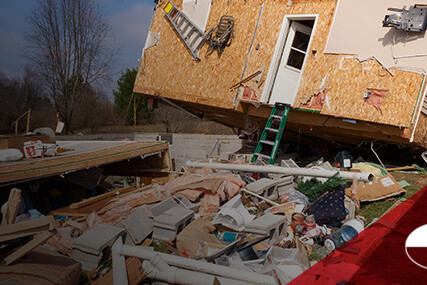
Whether tornado-related damage afflicts traditional single- or multi-family residential properties or manufactured homes, an engineering assessment can confirm cause of loss and scope of damage. This gives insurance professionals the objective findings they need to resolve claims accurately and fairly.
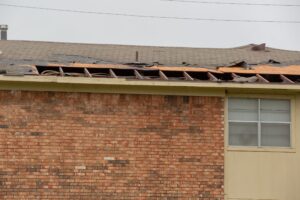
A licensed forensic engineer can determine the cause and scope damage cited in a tornado-related claim.
For instance, policyholders may misattribute pre-existing issues to a tornado or assume their property was affected because nearby structures had visible damage. In reality, the type of house, type and quality of construction, and distance from the tornado’s path play more of a role than a structure’s proximity to other damage.
An engineer will evaluate the property, noting observations of structural and collateral damage and cross-referencing their findings with reputable weather data. This wholesale approach allows them to determine with the utmost accuracy if the damage could have plausibly occurred from a tornado or something else.
The engineer’s expertise can also alert policyholders and adjusters to structural issues that may not be visible to the untrained eye. When it’s not fixed right away, these types of issues can worsen or spread to other areas of the home, potentially leading to safety risks or larger claims later.
Donan Engineering’s licensed forensic engineers are prepared to objectively investigate a variety of properties, whether it is residential or commercial, new construction or historic. Part of Alpine Intel’s suite of services, Donan Engineering delivers actionable intelligence and conclusive insights detailing the cause of loss for any property concern or scope of damage. Submit an assignment today to receive the information needed to settle claims quickly and confidently.
*Editor’s note: Engineering services are provided by or subcontracted to Donan Engineering, LLC, Donan Engineering NC, PLLC, or Donan Forensic, LP

Don’t miss insurance-focused resources and webinars about property, perils, and trends impacting claims nationwide by signing up for The Savvy Adjuster Newsletter.

Be sure to also tune in to The Savvy Adjuster Podcast to hear more from the experts themselves.
Alpine Intel’s content is meant to inform and educate readers using general terms and descriptions. They do not replace expert evaluations that determine facts and details related to each unique claim.
Related Resources
Tornado Damage Claims: A Comprehensive Guide for Adjusters eBook
Read this eBook to learn about the ways tornadoes can impact property, including structures, HVAC systems, and electronics. Plus, receive tips on how to prepare for claims related to wind and tornadoes.
4 Ways Engineers Help Adjusters With Tornado Claims
Tornado-related claims can feel overwhelming for adjusters who lack extensive knowledge of structural damages. Discover 4 ways engineers can help.
Your Guide to Structural Tornado Damage
Tornadoes can cause an array of structural damages. Get familiar with these losses and learn which indicators may point toward another cause of loss.