
Understanding Stucco Water Damage and Cracks

The United States Census Bureau’s 2024 Survey of Construction found that stucco accounted for about 27% of principal siding material on homes that began construction in 2023. Because it’s such a popular material for buildings, professionals involved in property claims should know that as a veneer, it can hide serious structural issues. When buildings clad with stucco appear in claims due to cracks, moisture intrusion, deterioration, or other damages, identifying the cause and scope of loss should be a priority to reach an accurate settlement decision and address potentially escalating issues.

Attractive and durable, stucco is the veneer material of choice for many homeowners, but it can be prone to cracking and moisture damage if improperly installed or maintained.
The Appeal of Stucco
Many homeowners choose stucco because it’s attractive and customizable to give them the color and texture they desire. Mostly applied as an exterior veneer, it protects structural elements from sun and weather exposure and is also a durable material when installed and maintained correctly, resistant to strong winds, fire, and pests. Stucco is especially popular in regions with lower moisture content; the United States Census Bureau reported that 41% of attached homes in the West had stucco as the primary exterior wall material.
While the reasons for stucco’s popularity seem clear, its durability relies heavily on proper installation and maintenance.
Installation Methods and Guidelines
Failure to comply with the installation practices set forth by ASTM C926 and ASTM C1063 and with recommendations from the Portland Cement Association may lead to stucco cracking, which can snowball into other, more serious issues.
Typically, stucco is applied in three coats over metal wire lath and two coats when applied over masonry or concrete. Building codes and regulations require applications at recommended thickness and time frames to ensure proper curing and strength development, as this is the time during installation when stucco is most prone to cracking.
The materials over which stucco is placed should also follow certain guidelines. For example, metal lath, fasteners, and attachments should be hot-dipped galvanized steel with a zinc coating. This can help prevent rust, which can deteriorate the walls from the outside in.
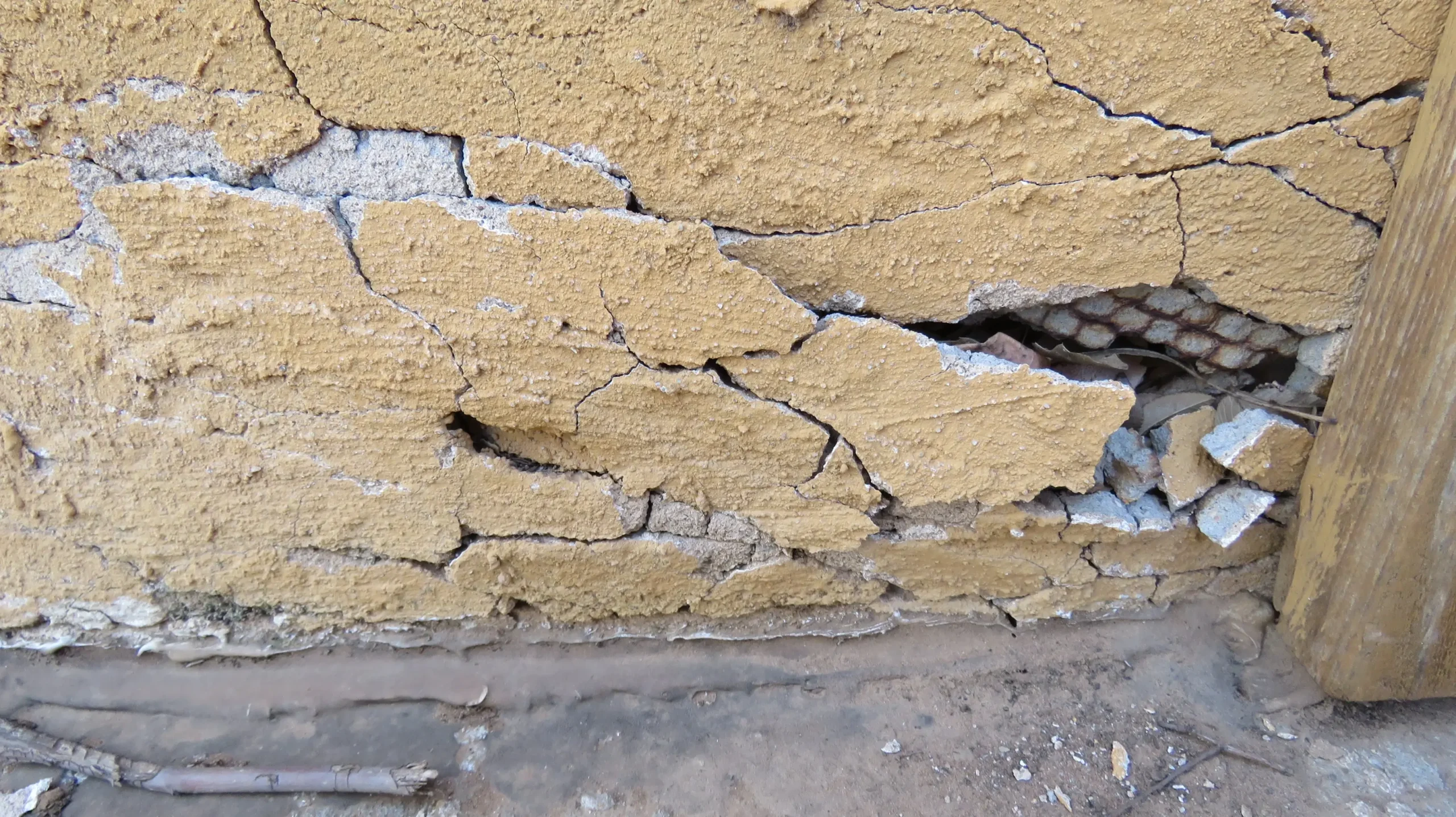
Improper construction and inadequate waterproofing may lead to cracking and water intrusion into the wall cavity, resulting in rusted lath and other structural damages.
While a weather-resistant exterior wall envelope isn’t required for stucco, since it’s already installed over designed and flashed walls, a weep screed (a type of flashing installed on stucco) at the base of the wall should include holes that allow water to exit the stucco and a 2- or 4-inch clearance to the ground, pavement, or roof deck. This is to keep water from becoming trapped in the stucco and leading to moisture damage.
Once stucco is installed, homeowners should clean it periodically to prevent mildew and other growth, and seal it as needed to enhance its moisture resistance. These measures can stave off the damages that may lead to a claim. They should also inspect the stucco regularly for cracks, as even correctly installed and cared for stucco may see damages over time.
Cracks in Stucco Surfaces
Stucco is prone to cracking because by nature, it’s unable to accommodate the natural expansion and contraction that occurs on a large surface like a wall. While cracking is more likely with insufficient curing between coats, improperly mixed stucco, and other poor workmanship issues, some hairline cracking in Portland cement plaster is normal and should be expected even in properly mixed and installed stucco due to shrinkage and warping in underlying wood framing components due to temperature and humidity changes.
External forces like deflections, impact, thermal shock, earthquakes, and structural settlement can also cause or exacerbate cracks. The areas most susceptible to cracking are large walls, at plumbing and electrical penetrations, transition point like corners, and near window or door frames. These can be worsened by improper joint placement; joints no more than 18 feet apart in any direction can allow controlled cracks while preventing larger, unpredictable cracks from forming. Unchecked cracks, even those that seem small and cosmetic, can lead to larger problems, particularly when moisture is present.
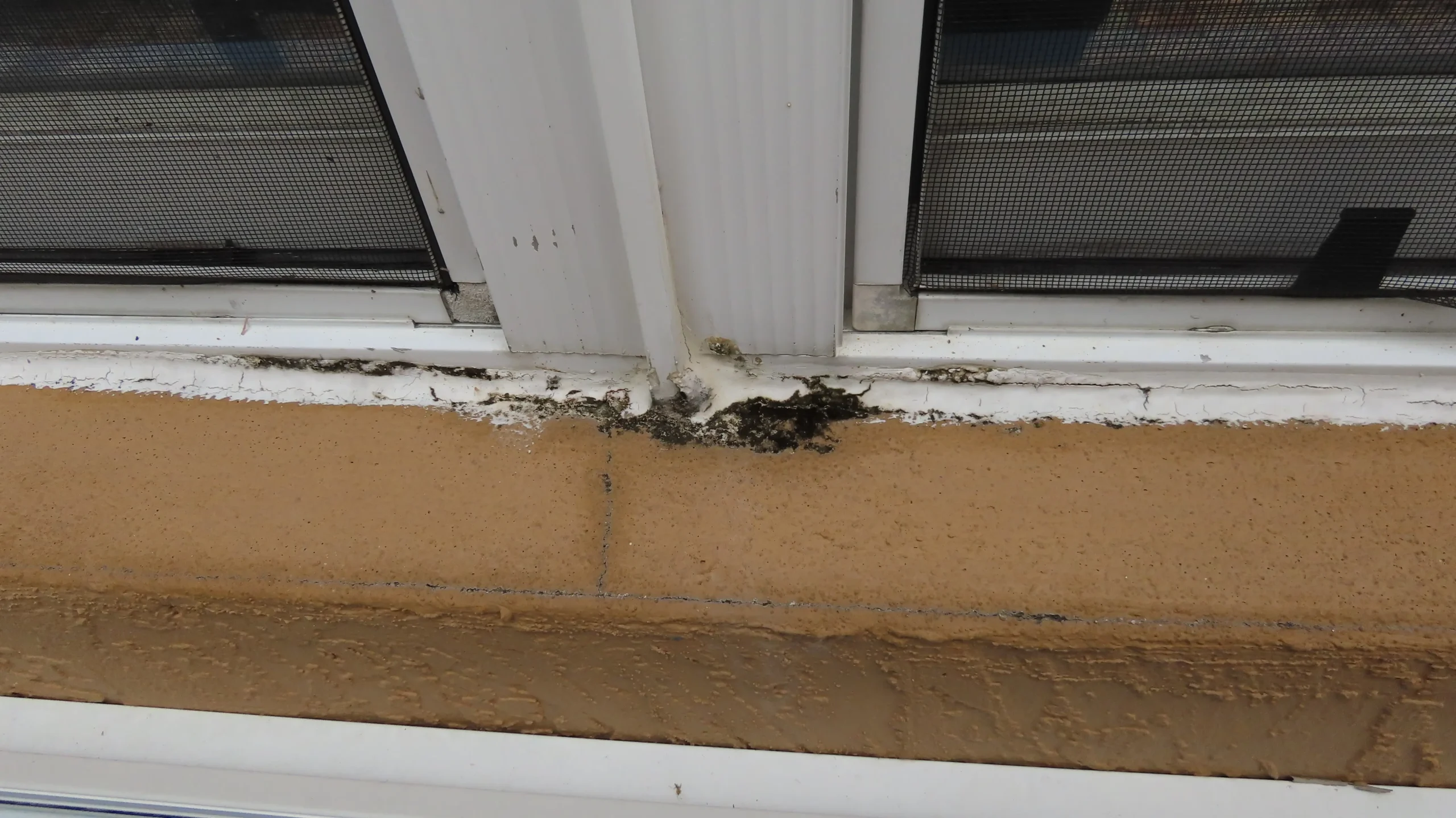
Areas near openings in the building such as windows, doors, and plumbing and electrical entrances are particularly vulnerable to cracking.
Signs of Stucco Water Damage
Because stucco is porous and allows water in, some moisture is unavoidable in buildings with stucco veneer. However, when cracks allow more water to enter the building envelope, it can lead to rot, mold, and compromised structural integrity in the materials behind the stucco, particularly if there are inadequate weep screeds or other features that help moisture escape. There are several signs of moisture damage to stucco that experts may look for.
- Moss and mold on the exterior of the stucco can indicate a leak through an opening or simply prolonged exposure to weather-related moisture. Regardless of the cause, microbial growth should be addressed, as it can lead to cracking and future damage.
- In the absence of impact damage, soft spots or crumbling stucco can point to structural deterioration behind the veneer. Pinpointing the source of the water is key to preventing worsening issues.
- While infestation can occur for other reasons, certain insects are drawn to moisture. A combination of moisture and openings in the stucco, such as cracks, improperly installed weepholes, or inadequate clearance, may make stucco vulnerable to termites and other pests.
Donan’s licensed forensic engineers know what to look for when assessing stucco and the materials it covers, so adjusters can make accurate settlement decisions and take confident next steps. To get the answers to cause and scope questions surrounding these and any other structural claims, submit an assignment.

Don’t miss insurance-focused resources and webinars about property, perils, and trends impacting claims nationwide by signing up for The Savvy Adjuster Newsletter.

Be sure to also tune in to The Savvy Adjuster Podcast to hear more from the experts themselves.
Alpine Intel’s content is meant to inform and educate readers using general terms and descriptions. They do not replace expert evaluations that determine facts and details related to each unique claim.
Related Resources

Understanding Water Damage in HVAC System Claims Guide
Rains, flooding, and leaks can all cause water to get into places it shouldn’t be – including your policyholders’ HVAC systems.

Water Damage to Electronics Guide
14,000 homeowners face losses from water damage every day. At that rate, an insurance adjuster is likely to find themselves handling a water damage claim.