
Uncovering Commercial Fire Causes and Trends

Commercial fire claims, or claims involving non-residential structures or equipment, are more common than you may think. In fact, only 25% of U.S. fires in 2022 occurred in home properties, according to the National Fire Protection Association (NFPA). The non-residential structure fires that make up a portion of the other 75% of reported fires appear to be increasingly contributing to property losses; more NFPA data suggests that direct property damage from these fires rose 7% from 2021 to 2022.
With these numbers in mind, insurance professionals should take the time to become familiar with common commercial fire causes. Having even a basic understanding of how these fires often start can help adjusters know when to seek assistance from the right fire investigation partner.
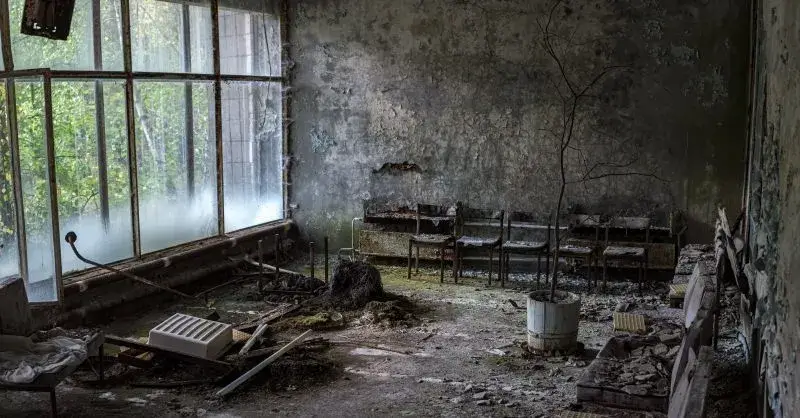
Experienced fire investigators can help insurance professionals identify the most plausible origin and cause in commercial fires.
A Restaurant Cooking Fire Starts in the Ducts
The U.S. Fire Administration notes that cooking was the number one cause of non-residential building fires from 2013 to 2022. Many fire risks can lurk in commercial kitchens, but some can be reduced through proper cleaning and maintenance.
In one such case, a restaurant caught fire and Donan, now National Fire Experts (NFE), participated in a joint study to determine the most plausible origin and cause. Investigators used fire patterns, fire effects, fire dynamics, and witness statements to conclude that the blaze most likely originated in a wood-fired grill exhaust duct, and that the ignition source was either an ember from the wood-fired cooking operation or a spark emitted from the exhaust fan of the duct. The joint investigation recommended further study of the exhaust fan electrical components. Investigators also reached the conclusion that the buildup of combustible grease and creosote from improper cleaning and maintenance was a significant factor contributing to the fire’s ignition and spread as well as the damage sustained.
This case highlights the importance of partnering with a fire investigation expert with decades of experience hosting joint studies. While NFE deliberately stays out of the claim settlement process to ensure objectivity, their investigation, collaboration with third parties, and subsequent findings may have spared the carrier from an unnecessary settlement by identifying a lack of maintenance as a probable cause of the fire.
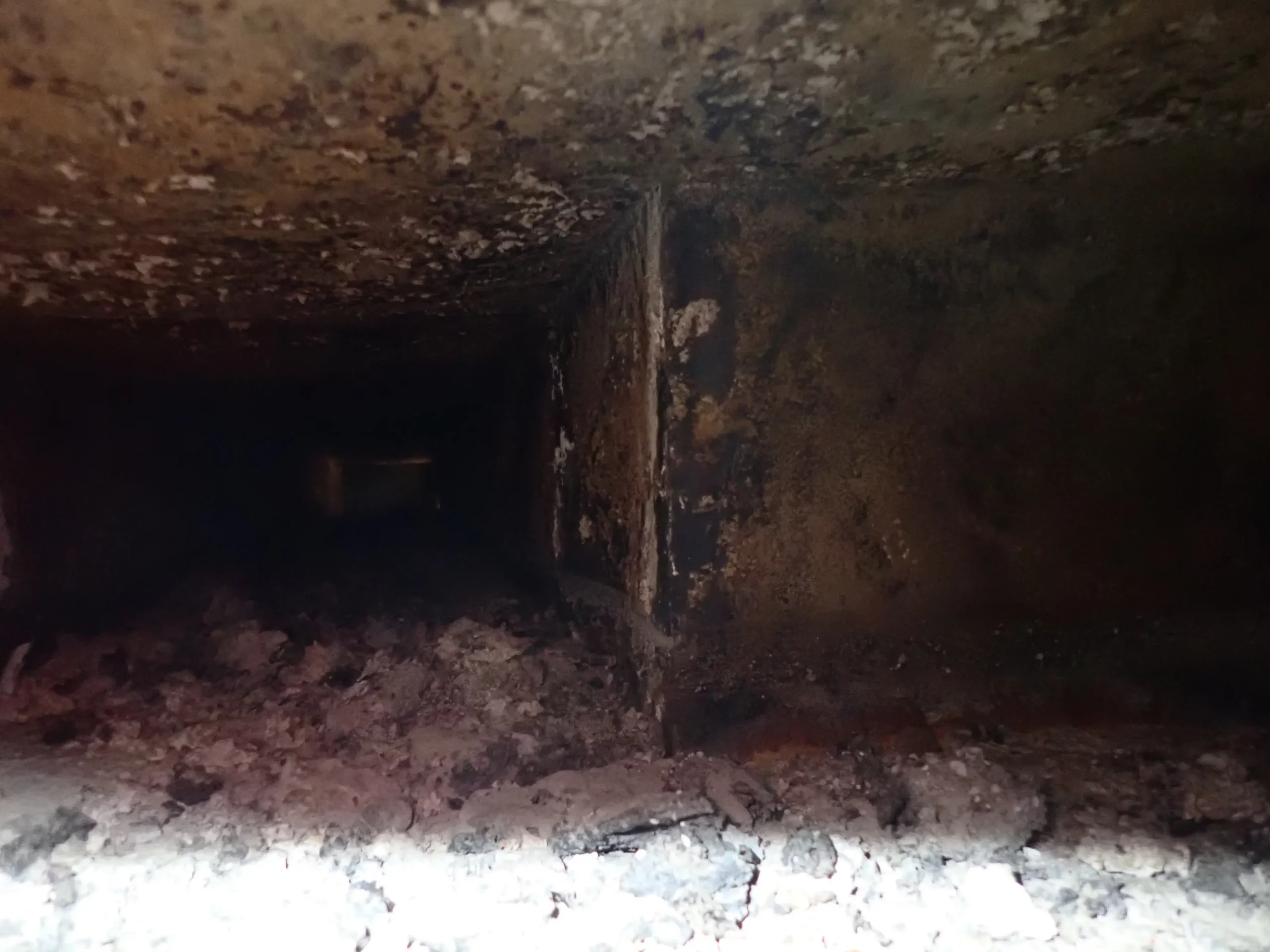
This horizontal run of exhaust duct for a wood-fired grill was identified as the probable area of origin in a restaurant kitchen fire.
Incendiary Fire Sets Storage Facility Ablaze
Just like with house fires, it’s important to determine whether a commercial fire resulted from a human act. Sometimes, evidence in these claims comes not only from the scene itself but from security footage.
When an NFE investigator examined the fire scene at a storage facility, their contact noted that security footage showed an unknown individual entering the storage unit before the fire began, and then leaving as flames emitted behind them. Even in light of this footage, the fire expert conducted a full investigation and used their experience with evidence management to identify and package debris samples for further chemical testing. After their evaluation, the investigator concluded that the most plausible scenario was that an unknown person used a handheld open-flame device to ignite vapors from a flammable liquid that spread to the contents of the storage unit.
While the video proved to be crucial evidence, not all commercial buildings are equipped with security cameras, and sometimes this technology fails to work when it’s needed most. That’s why an objective fire investigator who uses a systematic approach and the scientific method to pinpoint the most plausible origin and cause is paramount in these commercial fire claims.

NFE’s certified fire investigation experts used a systematic approach to determine that a human act could not be ruled out as the cause of this storage unit fire.
Electrical Failure Ignites a Fire in an Early Learning Center
Electrical failures are another leading cause of commercial fires, with an estimated 8,000 non-residential building fires in the U.S. resulting from electrical malfunctions in 2022. Outdated wiring, arcing from frayed wires or loose connections, and failure of lighting or other electrical equipment all present fire risks.
In one example, an early learning center reported a fire. Through his thorough examination, an NFE investigator determined that the most plausible origin of the fire was the west staircase ceiling light fixture. He ruled out branch wiring insulation near the origin as the cause and determined that an unspecified electrical failure of the LED light fixture was most likely responsible for the fire.
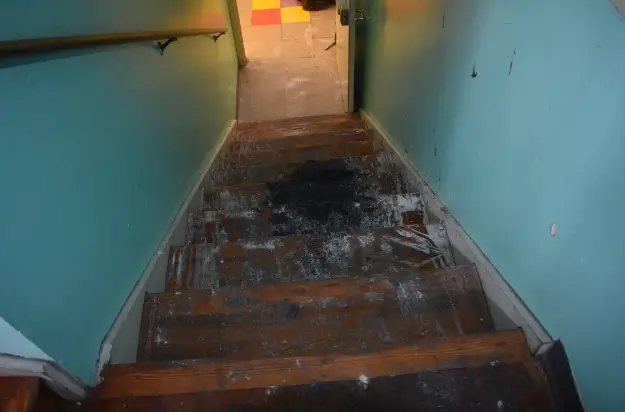
Investigators determined that the west staircase was the area of origin of this commercial fire.
The center’s co-owner reported that the light fixture had been in the building since before he began leasing the property 11 years prior. This case demonstrates that electrical failures can occur when commercial policyholders least expect, from sources they would never have known could pose a fire risk.
Other Types of Non-Residential Fires
While we’ve touched on some major causes of commercial fires, non-residential fires broadly extend beyond structure fires. Vehicle fires, of which the NFPA reported 222,000 in 2022, also necessitate systematic investigations to prevent confirmation bias and pinpoint the most plausible origin and cause. Manufacturing and industrial fires are no different in this regard.
National Fire Experts, a part of Alpine Intel’s suite of services, provides actionable intelligence to residential, commercial, industrial, vehicle, and specialty equipment fires with the highest degree of accuracy, consistency, and professionalism. Our experts adhere to the NFPA’s guidelines and are qualified to review the evidence at any fire scene through our 11-step investigation. Submit an assignment for an onsite fire investigation that takes all the evidence into account.

Don’t miss insurance-focused resources and webinars about property, perils, and trends impacting claims nationwide by signing up for The Savvy Adjuster Newsletter.

Be sure to also tune in to The Savvy Adjuster Podcast to hear more from the experts themselves.
Alpine Intel’s content is meant to inform and educate readers using general terms and descriptions. They do not replace expert evaluations that determine facts and details related to each unique claim.
Related Resources

Three Causes of Christmas Tree Fires
Christmas trees are a beloved holiday tradition, but even these brightly lit and colorful decorations have a dark side.
Dryer Fire Causes, Trends, and Safety Measures
Dryer fires affect thousands of policyholders annually. Discover dryer fire causes and preventative measures to be better prepared to handle dryer fire claims.

Evidence in Vehicle Fire Claims Guide
Vehicle fire investigations include unique considerations. Here are a few things investigators consider when determining an accurate origin and cause.