The Impact of Social Inflation on Property Loss Claims
Liability claims in the United States saw a 50% increase in litigation costs over the last decade, according to a 2024 Risk & Insurance article. An underlying phenomenon may be at play: social inflation, or the increasing costs of insurance claims outside of what can be explained by economic inflation at large. Social inflation’s influence on the insurance industry started with medical liability and malpractice suits, raising public awareness about consumer recourse. Throughout the last half-century, it has spread to the home and auto insurance sectors. While the reach of social inflation is difficult to quantify, evidence exists that it harms not only carriers but also policyholders, so it’s important to examine what it is, how it impacts various parties, and what can be done to combat it.

Social inflation is bolstered by the prevalence of social media and other factors that influence the behavior and expectations of policyholders.
Factors Driving Social Inflation
A big reason behind social inflation is a trust gap with policyholders, which insurers must work to bridge. Only 16% of Americans reported they had a lot of confidence in major companies in 2024, according to a Gallup poll cited by Bloomberg. This attitude could translate to the idea that such companies are in the wrong or that large payments are a form of justice.
Though the idea of public perception driving cost isn’t new, social inflation has more traction in the modern age thanks to the number of platforms available for people to share their opinions and experiences. Social media facilitates the spread of attitudes and trends. People being online more often than ever also presents opportunities for targeted ads. Increased visibility for attorneys and media coverage of legal outcomes can result in higher expectations of a large settlement from the insurance company during litigation.
The Coalition Against Insurance Fraud estimates that fraud occurs in about 10% of property casualty losses. Bad actors may take advantage of social inflation in conjunction with other trends, such as the increase in extreme weather, to encourage policyholders to pursue unnecessary claims or to demand more than they are owed for damages, which opens the insurance industry to avoidable settlements or even legal system abuse.
For example, roofing contractors and others may take advantage of policyholders in vulnerable positions following major storms, reporting damages that are non-existent or unrelated to the storm. The insured may believe a contractor who tells them they need a full roof replacement after an incomplete inspection–especially if their neighbors received a new roof after the same storm. This does not mean carriers should deviate from resolutions made based on objective assessments, but it does mean a focus on documentation and expertise is more crucial than ever when it comes to defending settlement decisions.
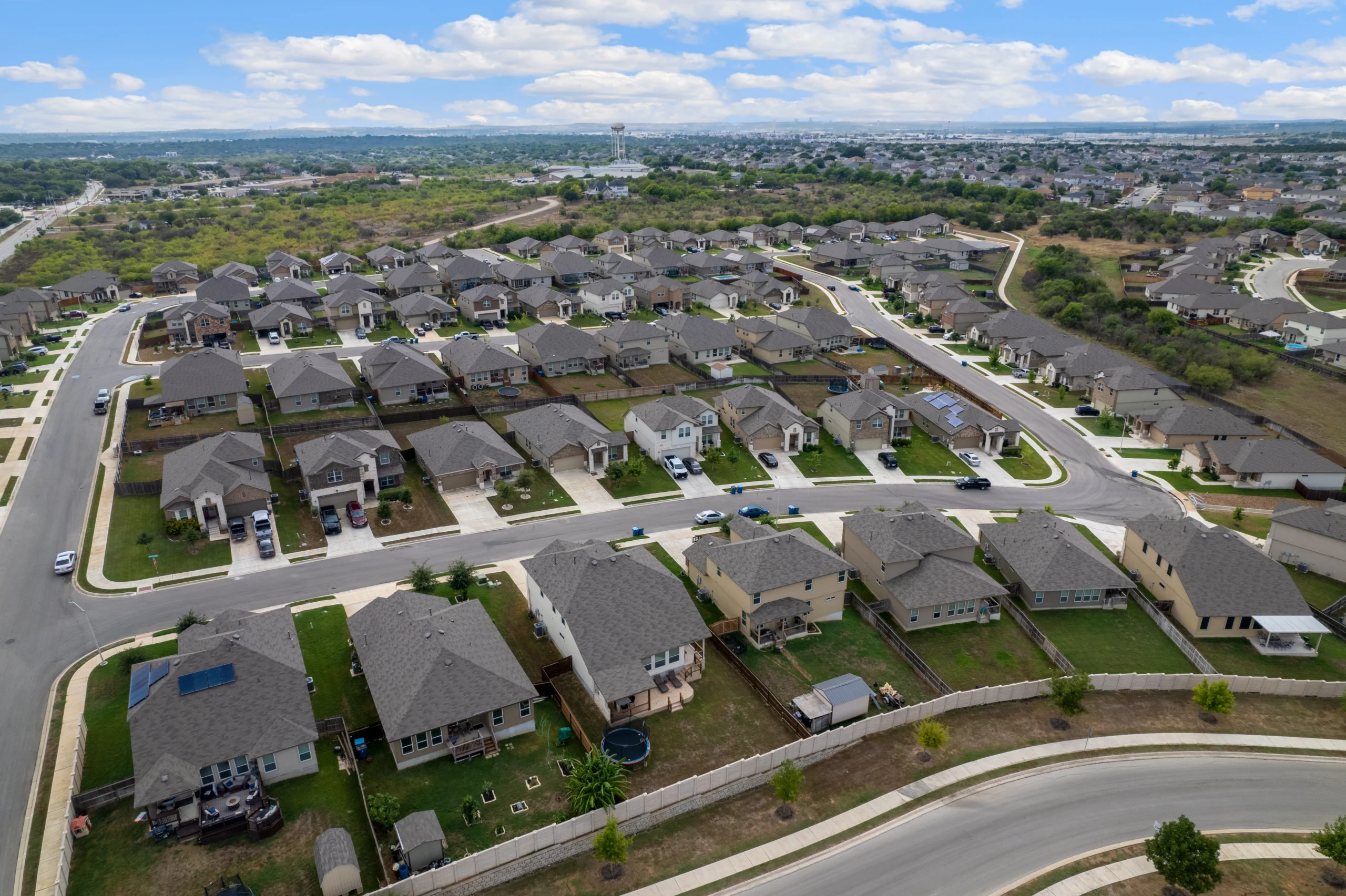
Social inflation is partially driven by perception; if a neighbor installs a new roof after a storm, a policyholder is more likely to trust a contractor who says their roof was also damaged.
Finally, third-party litigation funding (TPLF) factors heavily into social inflation. This occurs when an entity invests in a lawsuit in exchange for a percentage of the settlement, and it offers an incentive for litigants to initiate and then prolong lawsuits, even when a reasonable settlement has been offered. Proponents of TPLF argue that it gives policyholders an opportunity to seek recourse when they might not otherwise be able to afford it, thus leveling the playing field. However, the benefits of TPLF and other aspects of social inflation to plaintiffs may be less straightforward than they seem.
Consequences of Social Inflation
While the impact on insurers is obvious, what may be lost on people capitalizing on social inflation is the negative effects it can have on policyholders. For instance, a recent examination by the U.S. Chamber of Commerce found that financiers of TPLF operate in ways that are unclear to other parties involved and often their own clients, and that they sometimes take a significant portion of the settlement.
The rise in insurance litigation frequency means carriers must dedicate time and resources to preparing for potential and existing lawsuits. Many claims that go into litigation see drawn-out proceedings and higher settlements, partly because of societal trends. This causes costs to rise and, more policyholders will start to see social inflation’s impact as carriers charge higher premiums to defray operating expenses. Some insurers may even be unwilling or unable to offer as many coverage options or insure customers they consider high risk for future litigation. For proactive carriers, though, responses to social inflation need not be punitive.
What Insurers Can Do in the Face of Social Inflation
Carriers may not be able to combat the societal factors of social inflation, but they can mitigate its effects by focusing on a reputation for accuracy and fairness and by being prepared for potential litigation. They can also build good customer relationships to bridge the trust gap between policyholders and big companies.

Carriers who build their processes around education, transparency, and strong partnerships are less likely to see the extreme effects of social inflation.
Here are just a few strategies insurers can use to respond to social inflation:
- Focus on education. Make sure everyone in the organization understands the risks of social inflation – and what they can do to address it. Seek out webinars, conferences, articles, and other resources to ensure employees are trained, accountable, and on-board with the litigation process.
- Partner with objective experts. Vendors involved in a claim are subject to public scrutiny, so carriers should ensure their partners are non-biased and able to reach conclusions that are not only accurate but can also hold up in potential litigation.
- Evaluate every claim for litigation potential. Knowing that litigation is a more likely outcome than ever, assess each claim from its inception for this outcome. Document everything and make sure procedures are transparent and adhered to.
- Create a culture of prevention. Within the company, this is taken care of via education and training. Looking after your policyholders means providing them with resources to prevent accidents and malfunctions. A focus on prevention both creates goodwill and lowers the likelihood of claims.
Alpine Intel is one such partner, offering a suite of services with teams to support clients with superior customer service, objective onsite assessments, actionable reports, and litigation support when needed. Submit an assignment for accurate determinations that can help reduce your litigation exposure and protect your bottom line.

Don’t miss insurance-focused resources and webinars about property, perils, and trends impacting claims nationwide by signing up for The Savvy Adjuster Newsletter.

Be sure to also tune in to The Savvy Adjuster Podcast to hear more from the experts themselves.
Alpine Intel’s content is meant to inform and educate readers using general terms and descriptions. They do not replace expert evaluations that determine facts and details related to each unique claim.
Related Resources

Water Damage in Property Loss Claims Guide
Water damage is a frequently claimed peril. Download this guide to learn more about water losses to HVAC systems and electronics, including critical data, causes, and affected items.
How Smart Technology Can Impact Claims Guide
Smart technology is revolutionizing the way policyholders utilize their electronics. This guide can help you understand its positive and negative impacts on property damage claims.