The Effects of Ongoing Refrigerant Changes on HVAC Claims
2024 was a big year for the phasedown of specific chemicals frequently used in the popular refrigerant R-410A. Production of R-410A was cut by an additional 30%, building on a 10% reduction in 2022 and 2023. The changes and after-effects may influence how adjusters will need to handle claims that include HVAC and refrigeration equipment.

Production of hydrochlorofluorocarbons, used in certain refrigerants such as R-410A, is being phased down to meet global environmental initiatives.
Driving the news: The U.S. Environmental Protection Agency (EPA) is tasked with ensuring compliance with global and federal initiatives to reduce the production and consumption of hydrofluorocarbons (HFCs) by 85% by 2036. These are greenhouse gases that were developed and manufactured to replace ozone-depleting substances like hydrochlorofluorocarbons (HCFCs). Adjusters may remember the 2020 ban on the production of R-22, better known as Freon, because it was an ozone-depleting HCFC. But HFCs were determined to have a high global warming potential (GWP) that would also negatively impact the environment.
- HFC production was reduced by 10% in 2022 and 2023, and an additional 30% in 2024, for a total of 40% decrease from the baseline. The next step of the phasedown is scheduled for 2028.
- HFCs are often used in air conditioners and commercial refrigerant equipment; the most popular one in use for residential HVAC equipment is R-410A. The phasedown has manufacturers and industry officials moving toward refrigerants in the A2L safety classification, as these were designated as replacements for R-410A by ASHRAE Standard 34. The most popular selections are R-454B and R-32.
The big picture: HFCs are used in a variety of cooling equipment, including central air conditioners, heat pumps, and refrigerators. A decrease in refrigerant production, namely R-410A and R-134A, could cause potential supply decreases and subsequent price increases.
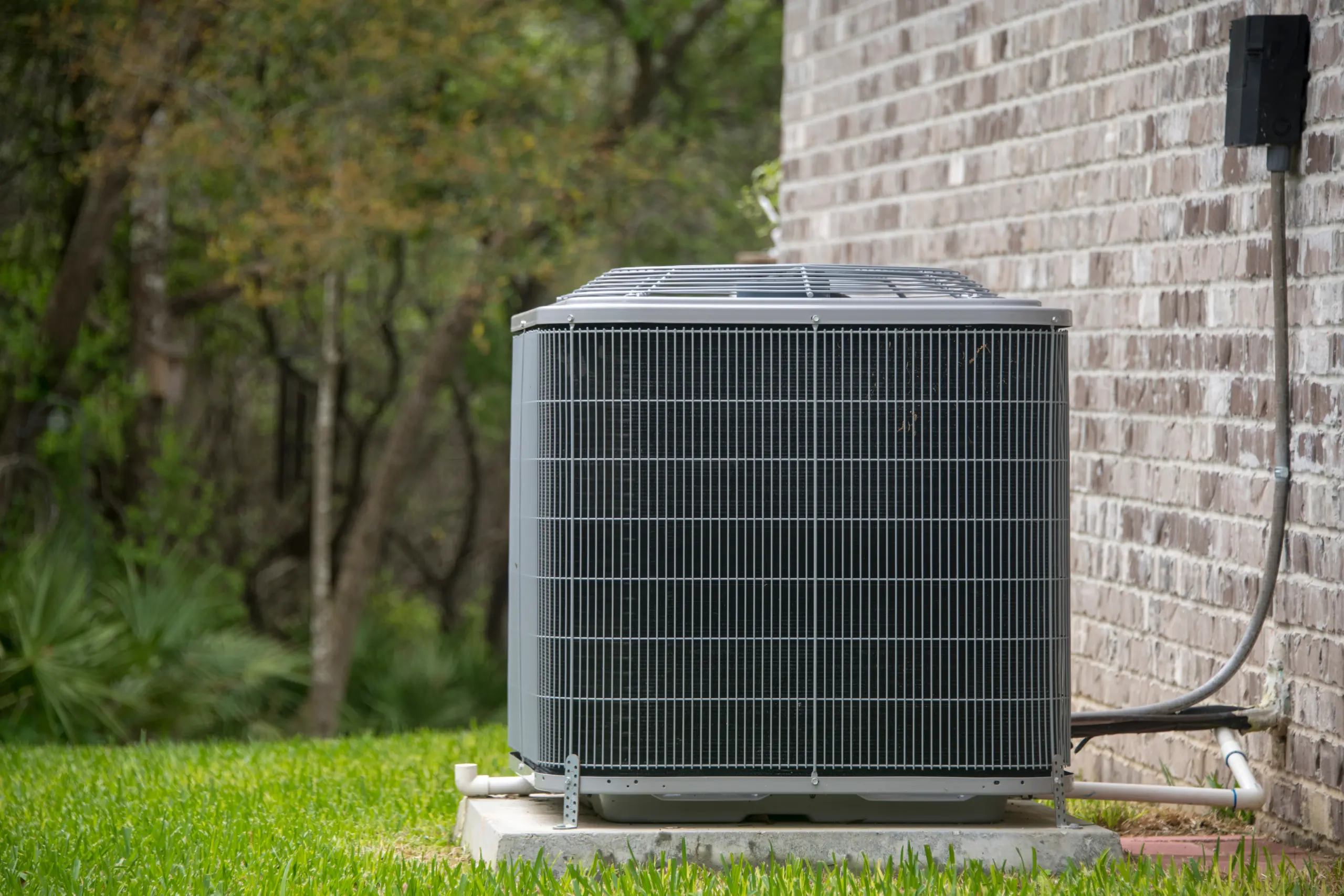
Cooling equipment, like the condensing unit of a split system, relies on refrigerants that may use HFCs or HCFCs, making them in demand globally.
Why it matters for claims: Any change in regulations about property frequently included in claims could impact policyholders and carriers. As the EPA establishes standards for managing existing HFCs and their substitutes and adopting next-generation technologies with industry-specific regulations, insurance professionals will need expert help to handle claims that include equipment using these refrigerants.
- The change in refrigerant requirements could impact what repairs or replacements can be made; however, R-410A is still being produced in and imported to the U.S., though at a reduced scale, and repair components that use this refrigerant are still available.
- A2L refrigerants are incompatible with R-410A and R-22. Before settling for HVAC equipment that uses a different refrigerant, adjusters should make sure there isn’t a mismatch to what the policyholder already has and risk further damages.
Flashback: This isn’t the first time adjusters have had to deal with refrigerant changes because of regulations. Previously, the EPA followed global initiatives approved by the Montreal Protocol to enforce the phasedown and subsequent ban on the production of HCFCs, which is how the major switch from R-22 to R-410A occurred in the first place.
- Reclaimed R-22 has enabled equipment that runs on this refrigerant to still be in use. While manufacturers can’t make new systems that run on R-22, policyholders can repair their currently installed HVAC and refrigeration equipment using the reclaimed version.
- As aging HVAC equipment requires more major repairs, such as a new condensing unit, refrigerant mismatches from what was previously installed pose the need for additional components or a full replacement. Objective HVAC experts can partner with adjusters to provide recommendations based on damage scope, availability, and market pricing.
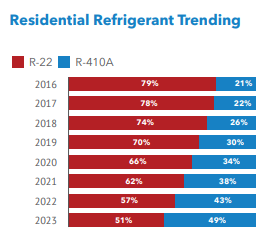
Data from the HVACi 2023 Annual Claims Report showed that the use of R-22 decreased in HVAC systems that HVACi assessed leading up to, and after, the ban on R-22 production.
What to do now: There are some things adjusters can do to maintain accurate claim settlements.
- Don’t assume any equipment that uses an HFC will need a replacement if it’s included in a claim – even if a policyholder’s contractor cites regulations as the drive behind a replacement.
- Make sure you settle claims with considerations to availability and costs – and, most importantly, have expert verification on the most appropriate method to return equipment to pre-loss condition. Even major repairs may be a viable solution in lieu of a full replacement.
Adjusters don’t have to navigate claims that could be impacted by regulation changes alone. HVACi, part of Alpine Intel’s suite of services, is the nation’s leading HVAC and refrigeration system claims solution. Onsite assessments deliver actionable intelligence about the cause of loss and scope of damage to residential and commercial equipment to ensure adjusters have what they need to confidently settle a claim. For those who just need to confirm market value pricing and availability, a desktop review quickly provides key information without an equipment evaluation. Submit an assignment to remove any doubt or confusion regarding how to handle a claim that may be affected by the HFC phasedown.

Don’t miss insurance-focused resources and webinars about property, perils, and trends impacting claims nationwide by signing up for The Savvy Adjuster Newsletter.

Be sure to also tune in to The Savvy Adjuster Podcast to hear more from the experts themselves.
Alpine Intel’s content is meant to inform and educate readers using general terms and descriptions. They do not replace expert evaluations that determine facts and details related to each unique claim.
Related Resources

Unexpected Twists in HVAC Claims
An accurate cause of loss can ensure a fair outcome that prevents claim leakage and reoccurring damages. This guide examines several claims that had surprising causes of loss following an assessment.

HVAC Spring Storms Claims Quiz
Test your knowledge about HVAC-related spring storm claims with our quiz for adjusters.
Adjuster Course In HVAC Refrigerant
The ban on the production and importation of virgin R-22, frequently used in HVAC systems, took effect in 2020 following a years-long phase out of these refrigerants.