Lightning, High Voltage Surge, or Wear and Tear? Be Able To Tell the Difference When Handling HVAC System Claims
Your policyholders are prone to blaming lightning when an HVAC system fails because of an electrical concern. In 2024, lightning was reported as the cause of loss in 15% of residential claims and 10% of commercial claims assigned to HVACi. But high voltage surge and wear and tear are just as likely, if not more, to be the true culprits. Adjusters shouldn’t assume lightning is the cause of loss based on a policyholder’s contractor and should rely on comprehensive assessment results to decipher which peril is related to the HVAC claim they are working on.

Most of the HVAC systems reported as having lightning damage were found to have a different cause of loss after HVACi’s objective assessment.
Despite being one of the most frequently reported causes of loss in residential HVAC claims assigned to HVACi, lightning was determined as the actual peril in only 2% of claims. On the other hand, high voltage surge was listed in residential claims 9% of the time and was found to be the actual cause of loss in 15%. Wear and tear proved to be even more prevalent, being claimed in 6% and found to be the actual cause of loss in 25% of residential claims.
Figuring out what caused HVAC damage shouldn’t spark debate but be based on the facts of the claim. Here are some of the methods our HVACi team uses to tell the difference.
Differentiate Between the Perils and the Damage They Cause
Knowing what happened to an HVAC system’s electrical components starts with understanding the different perils and what resulting damage is common.
Lightning
Lightning is prevalent during summer storm months and results from a natural electrostatic discharge formed by a charge imbalance. This occurs when clouds have a negative charge and are met by something with a positive charge, including tall objects on the ground or from other clouds. The result is a current passing between the two. Most lightning takes place within a cloud or between two clouds; therefore, damage caused by lightning hitting something on the ground is relatively rare.
The most severe lightning damage is caused by direct strikes to outside equipment and is evident by burning, charring, and melting. Lightning’s large amount of energy needs to exit equipment, which causes ghosting and arcing. Multiple components, including non-electrical ones, often sustain damage from a lightning strike, and there would be an obvious trail of visual evidence where the lightning traveled from an outside point.

Direct lightning strikes occur on outside equipment with evidence of burning, charring, or melting.
High Voltage Surge
High voltage surges are less powerful than lightning strikes, though they can cause a similar level of damage to HVAC equipment. Surges come from sudden excessive voltage lasting a few nanoseconds to several minutes. Enough of an increase can produce immediate damage to an HVAC system’s electrical components. Switching or popping circuit breakers can also create small surges. Multiple small voltage changes could trigger similar damage over time, though this would constitute wear and tear.
Surges can be a consequence of lightning striking an electrical line elsewhere; conversely, most surges occur when devices that consume large amounts of electricity, such as HVAC systems, generators, or other motors, are turned on or off. Offsite, transformer problems and power grid switching at electrical substations could also cause surges.
Unlike lightning, surge is confined to an electrical system and uses wiring as its path. High voltage surges don’t have enough energy to melt wires from inside out over long segments of wiring like lightning. Though multiple components may sustain damage, it isn’t visible and requires Ohm meter testing to verify.
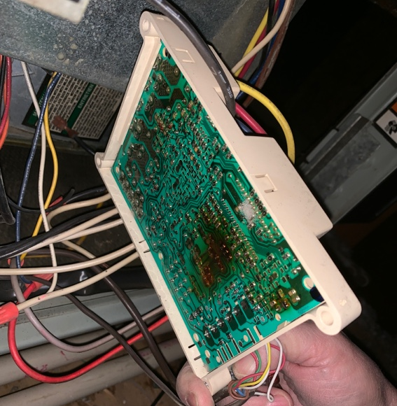
Excessive voltage could cause immediate damage to an HVAC system’s control board.
Wear and Tear
If damage takes place at the connections, it’s a good sign wear and tear is involved. The connections may be loose or have rust or corrosion, which could cause overheating. This can melt or char wire insulation over a long period of time. But lightning or surges wouldn’t affect connections.
Wear and tear damage occurs gradually, compared to the other two perils that are instant. A means of testing for wear and tear is by checking the refrigerant and coils. Acid is frequently misdiagnosed as a symptom of lightning or high voltage surge, but refrigerant can only become acidic over time due to moisture, mixed refrigerants, and other contaminants. Lightning can’t acidify the refrigerant in such a short time. Dirty coils are also symptoms of wear and tear versus damage from lightning or surges.
Frequently Damaged HVAC Components
Where damage is initiated may indicate the peril.
Split systems, which are the most common systems in residential claims, have some components that are susceptible to direct lightning strikes. In the condensing unit, these include the compressor motor, capacitor, contactor, and fan motor. Furnace components that are susceptible to indirect strikes or surges are the thermostat, furnace control board, blower motor, gas valve, draft inducer, condensate pump, and auxiliary heat pumps.
Package units, which are most common in commercial applications, can be more susceptible to lightning strikes and surges because all items are outside. Components at risk for direct strikes are the cabinet and fan grille, the condenser coil, the fan and fan motor, and the disconnect. Equipment prone to indirect strikes or surges are the compressor motor, blower motor, control board components, fan motors, gas valve, draft inducer, and disconnect.
Block the Electricity Flows
Policyholders can reduce their risk of electrical damages from lightning or high voltage surge using surge protectors. Also, lightning rods direct lightning to the ground to keep it from striking structures or other objects that couldn’t handle that amount of energy.
To protect against voltage surge, insureds should unplug electronics before the power is restored following an outage. Items likely to be damaged in a surge include consumer electronics; kitchen and small household appliances; home entertainment equipment; and the electrical components of HVAC systems, including sensitive circuits and control boards.
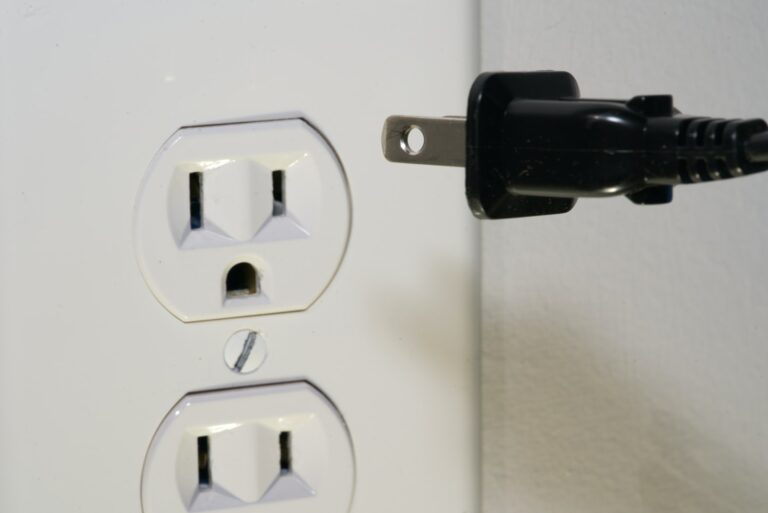
Policyholders can prevent electrical damages from lightning or surges by simply unplugging items before power returns during an outage. Photo Credit: Clint Patterson / CC BY 4.0
Don’t Risk Settling Claims With the Wrong Peril
Assessing which peril caused damage can be difficult. And settling an HVAC claim with the wrong one may mean covering something that shouldn’t have been. Let the experts at HVACi, part of Alpine Intel’s suite of services, help. As the nation’s leading provider of HVAC and refrigeration onsite assessments and desktop pricing reviews for insurance carriers, our team of experts is committed to simplifying the claims process by equipping adjusters with actionable assessment reports. These reports include accurate, objective cause of loss and scope of damage determinations, repair and replacement recommendations, and settlement recommendations based on market value. Submit an assignment for an HVAC claim today.

Don’t miss insurance-focused resources and webinars about property, perils, and trends impacting claims nationwide by signing up for The Savvy Adjuster Newsletter.

Be sure to also tune in to The Savvy Adjuster Podcast to hear more from the experts themselves.
Alpine Intel’s content is meant to inform and educate readers using general terms and descriptions. They do not replace expert evaluations that determine facts and details related to each unique claim.
Related Resources
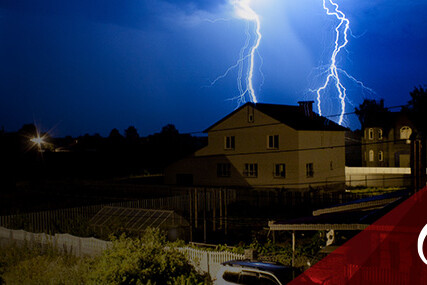
An Evaluation of Surge and Lightning Damage to Electronics and Specialty Claims eBook
Gain insight on how often lightning or surge is the cause of loss, why and where lightning and high voltage surges occur, and which items are most affected by these perils.
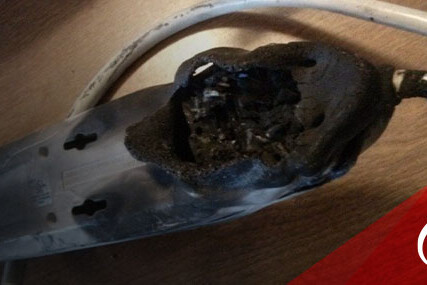
Adjuster FAQ: High Voltage Surge Impacts to Electronics Guide
A high voltage surge can cause failures to almost any electrical device or system that’s plugged into the affected area, from the appliances to the consumer electronics to the wiring itself.
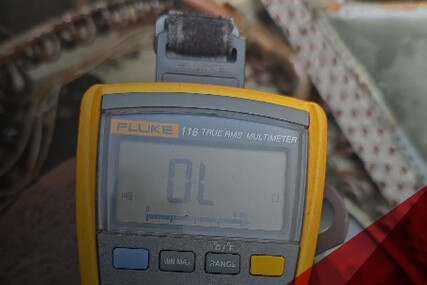
Investigating Lightning and Surge HVAC Claims Webinar Recording
Explore how perils like lightning and surge affect HVAC components, what to document in claims, and how to avoid misassignment of damage.