How Small Property Damages May Lead to Big Claims

Adjusters are likely well aware of how lack of maintenance can lead to a claim that’s more complex than it might have been with better upkeep. However, snowballing can occur even after the claim is resolved if the resolution is based on incomplete information about the scope of damage. Settling for small damages without an assessment may seem like the most efficient way to close the claim and keep the policyholder happy, but it could have repercussions down the line. Here are a few ways seemingly insignificant damages can spread in various property types and what adjusters can do to prevent or minimize future claims.
How Water Exposure Becomes Structural Damages
A foundation crack or loose shingles may seem like a quick fix, but these small things can indicate more insidious and potentially catastrophic damages. They’re often avenues for water intrusion, which can go unnoticed in hidden areas like attics or basements. Extended moisture exposure often leads to water damage in a house, like warped framing elements or buckled flooring, which can weaken the entire structure. There may also be health risks associated with water intrusion; microbial growth like mold is a danger to more than just building materials.
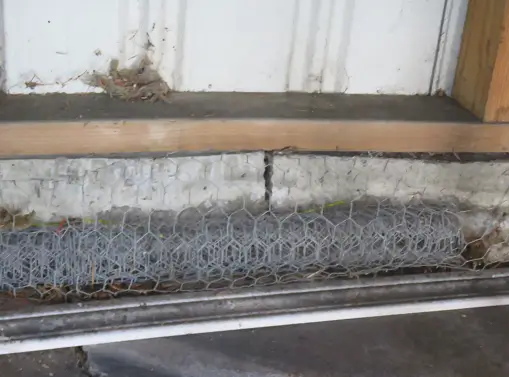
Foundation cracks included in claims may seem easy to settle without an inspection, but unaddressed deeper issues can compound and end up being a bigger claim in the future.
Openings in the foundation, walls, and roof – even small ones – also allow pests like termites to get into the building envelope. These insects are especially attracted to moist wood, so if water has intruded as well, the structure faces a double threat. Rodents can also get in, and they’re more than just an annoyance; their urine is highly erosive, so when they nest and breed in attic spaces, the framing’s ability to bear the weight of the building and its contents decreases.
These conditions could lead to collapse. While that may be an extreme result, small structural damages often mask deeper issues that might be overlooked if adjusters settle claims without an assessment by a licensed forensic engineer. These experts delve into each evaluation to not only determine the cause of the claimed loss but also identify its consequences, giving adjusters and policyholders the knowledge they need to address the root cause and potentially prevent more extreme outcomes – and future claims for the same issue.
Electrical Issues Could Become Fire Hazards
Lights flickering during a storm or a particularly hot day is a universal experience, but if your policyholder submits a claim for prolonged or consistent flickering, they’re probably not overreacting. It’s one sign of an outdated wiring system, and along with frequent blown fuses in older homes and difficulty using multiple high-power electrical items simultaneously, it may point to something much bigger than an inconvenience.
A study by the Electrical Safety Foundation International found that each year, electrical problems account for more than 50,000 home fires, and electrical fires result in over 500 deaths, 1,400 injuries, and $1.4 billion in property damage.
Seemingly small damages centralized around malfunctioning appliances like washing machines and dishwashers may spread to include structural damages, like those described above.
Many of these incidents could be prevented with early detection, so each claim related to electronics is an opportunity for an expert electrical evaluation that may help stem subsequent issues. An assessment for what seems like minor damages can pinpoint the cause of loss and provide repair or replacement recommendations that restore the electrical system to pre-loss condition, which can prevent inadequate repairs and worsening issues.
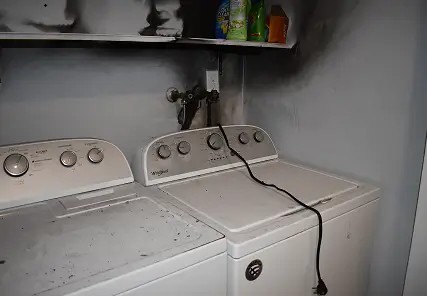
Aging wiring can lead to dangerous fires, but these and other extensive damages may be prevented if the hazards are identified by an electrical expert before issues grow.
Quick HVAC Repairs May Not Resolve the Failure
Contractors who aren’t experienced in serving HVAC equipment may not correctly address the failure, which could lead to a callback. In some situations, the initial failure has worsened to the point that the equipment requires a replacement, making it even more difficult to properly diagnose the cause of loss.
Refrigerant and condensate leaks are the most frequent cause of water-related HVAC failures that result in property damage. Refrigerant leaks can impact the system’s ability to remove humidity, and the ensuing high humidity – coupled with dirty conditions – may lead to microbial growth. Refrigerant issues can also cause a system to run continuously as it becomes less efficient, allowing for premature wear and tear. Additionally, a clogged condensate line prevents water from escaping via its intended path. The resultant overflow can cause water damage to materials in the surrounding area, and even spread to lower floors if the unit is in the attic.
Adjusters can prevent widespread damage by trusted an HVAC expert to identify the leak, other components it has affected, and recommend a repair or replacement that is in line with regulations.
As minor, unchecked issues grow, they often extend to other property types. For example, water damage can impact the structure, electronics, and the HVAC system, and an accurate assessment may require multiple experts. Alpine Intel’s suite of services is an all-in-one resource for insurance professionals. Submit an assignment for a comprehensive evaluation of any property loss claim, small or large, to help you reach an accurate settlement and minimize repeat claims for the same issue at the same location.

Don’t miss insurance-focused resources and webinars about property, perils, and trends impacting claims nationwide by signing up for The Savvy Adjuster Newsletter.

Be sure to also tune in to The Savvy Adjuster Podcast to hear more from the experts themselves.
Alpine Intel’s content is meant to inform and educate readers using general terms and descriptions. They do not replace expert evaluations that determine facts and details related to each unique claim.
Related Resources
Water Damage in Property Loss Claims Guide
Water damage is a frequently claimed peril. Download this guide to learn more about water losses to HVAC systems and electronics, including critical data, causes, and affected items.
Lightning and Surge Impacts in Property Claims Guide
Lightning and surge are the most frequently reported or determined cause of loss for commercial and residential policyholders.
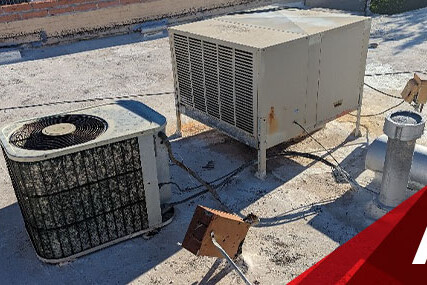
Hail-Related Property Damage Claims eBook
Learn tips about hail damage, or what might look like it, when policyholders report hail impacts to roofs, structures, HVAC systems, outdoor equipment, and more.