
How Construction Defects Can Appear in Property Claims

Construction defects, such as improper installation or faulty materials, may be the hidden culprits behind property damage claims.
Policyholders might attribute water leaks, cracked tiles, or other structural failures to another cause of loss, but closer inspection could show evidence of construction defects. Being aware of these indicators may prevent adjusters from overlooking them while helping ensure they know what to do to deliver more accurate claim resolutions.
What Is a Construction Defect?
A construction defect is a flaw or error that presents in one or more of the following elements: design, materials, or workmanship. It also leads to damage or lowers the value of a structure or property.
These defects commonly appear as installation errors or man-made damage. Examples include roof damage resulting from a non-recommended method of asphalt shingle installation or improperly sealed windows leading to fungal growth (mold) or water intrusion.

An engineer inspects a concrete floor for construction defects, which can present in the design, material, or workmanship of a structure.
Adjusters should be aware of several indicators when assessing claims that could point to construction defects as the cause of loss.
Construction Defect or Another Peril? How Inspections Clarify Cause of Loss
Weather-related perils, impact damage, or other non-manmade failures may look like the cause for certain types of structural or building envelope damage. But closer inspection will show the nuances of how damage occurs.
Building Envelope Construction Defects
Let’s start with the roof. Sometimes this damage isn’t reported until an unrelated event, such as a severe storm, prompts the policyholder to inspect their home or commercial property.
When it comes to asphalt shingles, damage could look to the untrained eye like it was caused by wind or hail. Nail pops, for instance, appear as a raised area or tear that’s localized on damaged shingles.
This occurs when overlying shingles are pushed up from beneath. They have various causes, with one being improper installation sometimes related to improper nailing, where nails are installed through knots or joints in the roof decking.
Shingle nails being driven too deep (overdriven), not deep enough (underdriven), or at an angle can all cause installation errors that would be categorized as a construction defect.
Vertical racking, a method by which shingles are installed in columns, is another type of installation error. The National Roofing Contractors Association (NRCA) and Asphalt Roofing Manufacturers Association (ARMA) recommend against the approach because installers could forget to include the right number of required fasteners and which creates expansion joints in the shingles which can lead to unsealed or cracked shingles.
Moving to windows and doors, claims might note water leaks and fungal growth in the aftermath of strong winds, foreign object impact, or severe rain. In reality, water intrusion may be due to inadequate flashing or weather-resistant barriers. Faulty seals, dried out gaskets, and gaps in joints also tend to be more of an installation or manufacturing defect.
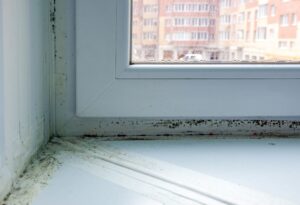
Microbial growth on or near windows could result from inadequate flashing, which is considered an installation error or construction defect.
Structural Failures Caused by Construction Defects
Framing, foundation, and flooring failures may also have originated with design problems, weak materials, or faulty installation.
For wood-frame construction, the Engineered Wood Association considers buckling, misaligned framing, and ridging among the most common consequences of framing or sheathing errors. Buckling occurs when nailed or glued-nailed panels between supports or fasteners become deformed, while “improperly fastened panel edges” lead to ridging.
Cracked tiles, while plausibly resulting from impact damage, differential settlement, or decay, can also indicate construction defects. When installed according to ASTM International and Tile Council of North America guidance, the material should carry the weight of its environmental conditions and general use. However, if tiles are laid on an uneven or improperly prepared subfloor, elevation changes throughout the structure could lead to cracks. Improper adhesion and a lack of movement joints can also precipitate cracking.
With these common indicators of construction defects in mind, let’s put the knowledge into practice.
Real-Life Claim Scenarios with Construction Defects
When property damage appears in a claim, an objective engineering assessment can explain what happened and how. Whether the loss is reportedly due to a construction defect or something else, a science-backed assessment with an engineer-stamped report provides adjusters with the unbiased analysis they need to make accurate claim decisions.
Water Leak Case Study
For example, shortly after a city-owned building’s roof covering system was completed, leaks were noted throughout the building. The roof membrane manufacturer made repairs, but water stains began to appear on ceiling tiles near the building’s front wall. A Donan engineer was brought in to determine if the roof covering was properly installed and what caused the water intrusion.
The engineer determined that observed water stains and missing ceiling tiles were consistent with water intrusion. They also noted that sealants were applied to weep holes, which are intended as a drainage path for water. The sealant restricted water from draining and was determined to not be an appropriate repair.
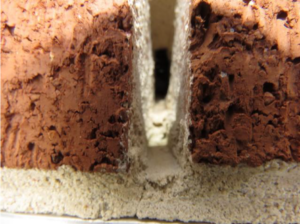
Debris is seen in a weep hole, which was sealed. The sealant impeded proper drainage of excess water and was determined to be an improper repair.
It was ultimately determined that improper installation of a PVC membrane roof and a drainage system led to the water stains.
Floor Covering Case Study
In a separate claim, an adjuster tasked a Donan engineer with determining the cause of damage to floor coverings in an apartment building after problems were found in multiple units.
The engineer observed damaged floor planks in high foot-traffic areas. They also noted that exposed portions of the subfloor were predominantly cushioned vinyl flooring that wasn’t fastened to the structural floor. An exposed portion of the floor also had no expansion gap.
Construction defects in the form of an inadequate subfloor were determined to have caused the damage, along with inadequate expansion gaps exacerbated by moisture intrusion from kitchen and bathroom activities.
In the first claim, construction defects were suspected, but the adjuster took the additional step of confirming this by referring the claim to a licensed engineer for an objective assessment. The second claim was more ambiguous, and to ensure that it was resolved accurately, an engineer’s inspection was sought to determine the cause of loss.
These scenarios reinforce the need for unbiased analysis of property damage that uses the scientific method to provide precise findings based on weather data, observations, and engineering concepts.
Built on decades of experience, Donan’s licensed engineers deliver actionable intelligence through forensic engineering investigations that combine fast cycle times with exceptional reports to answer complex and challenging questions about property loss. To partner with a Donan engineer, submit an assignment today.

Don’t miss insurance-focused resources and webinars about property, perils, and trends impacting claims nationwide by signing up for The Savvy Adjuster Newsletter.

Be sure to also tune in to The Savvy Adjuster Podcast to hear more from the experts themselves.
Alpine Intel’s content is meant to inform and educate readers using general terms and descriptions. They do not replace expert evaluations that determine facts and details related to each unique claim.
Related Resources
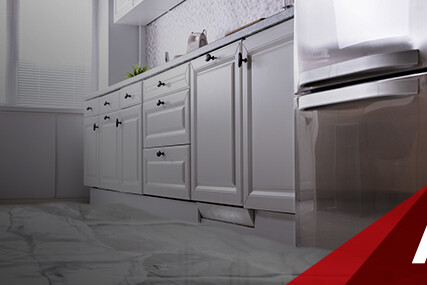
Water Damage in Property Loss Claims Guide
Water damage is a frequently claimed peril. Download this guide to learn more about water losses to HVAC systems and electronics, including critical data, causes, and affected items.
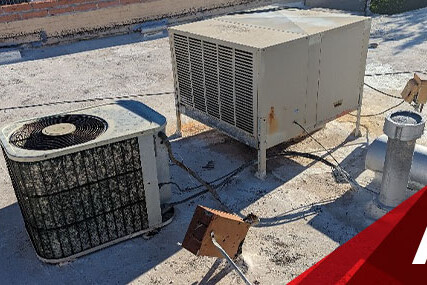
Hail-Related Property Damage Claims eBook
Learn tips about hail damage, or what might look like it, when policyholders report hail impacts to roofs, structures, HVAC systems, outdoor equipment, and more.
Winter Property Damage eBook for Adjusters
Download the eBook to learn about losses linked to cold weather and prepare for winter claims involving HVAC equipment, structures, and fires.