
How a Car “Black Box” Can Aid Insurance Investigations

Those who have followed news stories about airplane crashes or other incidents may be familiar with a device known as a “black box.” In airplanes, a black box is an advanced piece of technology that can supply investigators with large amounts of in-flight data that can be used to understand what went wrong right before an accident.
Passenger vehicles, such as trucks and cars, as well as commercial vehicles, have something similar, though their capabilities are not the same. Read on to learn more about the car “black box” technically known as an Event Data Recorder (EDR), when its data is crucial, and how crash data experts can help carriers and attorneys access stored information for use in automotive claims.
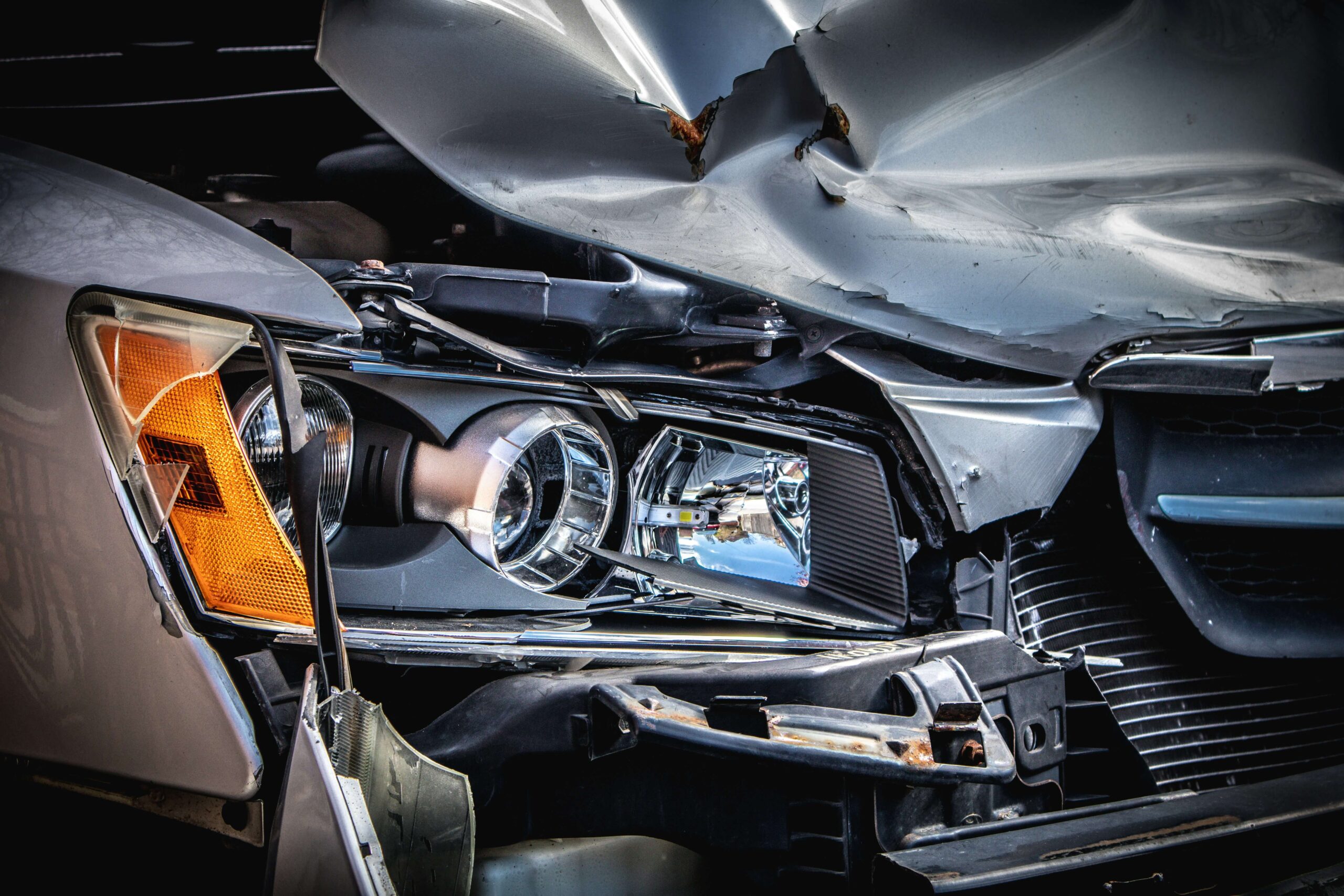
After a car crash, the vehicle’s Event Data Recorder (EDR), sometimes referred to as a car “black box,” may hold valuable evidence in the form of data.
What Is a Car “Black Box”?
A car “black box” is also known as an Event Data Recorder (EDR). The National Highway Traffic Safety Administration (NHTSA) established this name and states that an EDR is “installed in a motor vehicle to record technical vehicle and occupant information for a brief period of time (seconds, not minutes) before, during, and after a crash.”
EDRs first began being used in the mid-1970s to track airbag efficacy. Now, 95% of new vehicles are equipped with onboard EDRs. The use cases for their data have also evolved. While manufacturers still use EDR data to improve over time, the NHTSA states that government researchers also use this information to evaluate how trucks and cars behave in real-life crash scenarios to aid in the creation of more effective safety programs.
Insurance or legal professionals can also use EDR data to help with motor vehicle crash reconstruction. Trained technicians can extract data from a truck or car’s EDR via a process called Crash Data Retrieval (CDR).

Certified technicians can perform Crash Data Retrieval to download data from a vehicle’s Event Data Recorder following an accident.
When Is Crash Data Retrieval Helpful?
Establishing exactly what happened in the moments leading up to a passenger vehicle crash can be difficult. Emotions often run high, different perspectives come into play, property damage can range from minor to severe, and there’s always the risk of injuries to those involved. Adding to the complexity, the vehicle may have been relocated before a thorough investigation could be performed, meaning critical evidence at the scene could be missing or altered. Relying solely on physical evidence and eyewitness accounts for automotive claims in such situations leaves room for significant error.
Crash data retrieval allows insurance professionals and attorneys to supplement witness testimony and resulting damages with hard data from an EDR. These data points may include, but are not limited to:
- The vehicle’s recorded speed prior to impact
- Seatbelt status
- Steering, accelerator, airbag, or braking
- Changes in vehicle speed (Delta V)
- Vehicle odometer mileage at the time of a crash
- Whether passengers were present in the vehicle
- Cruise control use
- If the vehicle was in drive, park, reverse, or neutral
Certified technicians use specialized equipment to perform CDR, helping provide information insurance or legal professionals may need to accurately resolve claims or cases involving vehicle crashes. However, this data is often difficult for laypeople to access or understand. That’s where Professional Engineers trained in CDR analysis come in. They can interpret the retrieved data, not only assisting in claims related to passenger vehicles but also in more complex cases involving commercial vehicle crashes and fires.
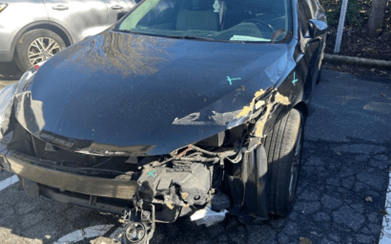
Data from a vehicle’s EDR can supplement physical evidence in automotive claims or cases.
What Else You Should Know About CDR
According to the NHTSA, some state governments can collect EDR data under existing laws, while others require owner permission. Courts can subpoena EDR data via court order when necessary, and some insurance policies may have contract terms related to accessing this information as well.
In other cases, signed consent from the vehicle’s current owner will be necessary. Having the vehicle’s key on hand is also helpful, though not required. A certified technician may need other information before performing CDR such as:
- Vehicle make, model, and year
- Vehicle Identification Number (VIN)
- Location of the vehicle
- Condition of the vehicle
- Driving history since the accident
- Timeframe for the reading
- Did the airbags deploy?
- What parties should be present for testing?
To obtain all the information you need to find out the facts of an incident, Component Testing Laboratories (CTL) is a leader in CDR with a nationwide network of trained, certified technicians who can reach any vehicle location quickly. In addition to raw data admissible as evidence in court, CTL’s professional engineers can analyze the information retrieved from an EDR upon request and supply an easy-to-read report. To experience the difference Crash Data Retrieval can make in your motor vehicle claims, submit an assignment.

Don’t miss insurance-focused resources and webinars about property, perils, and trends impacting claims nationwide by signing up for The Savvy Adjuster Newsletter.

Be sure to also tune in to The Savvy Adjuster Podcast to hear more from the experts themselves.
Alpine Intel’s content is meant to inform and educate readers using general terms and descriptions. They do not replace expert evaluations that determine facts and details related to each unique claim.
Related Resources

Comprehensive Hail Investigations Webinar
Join this webinar to learn about hail damage indicators and how these factors can help you settle claims accurately.
Comprehensive Hail Investigations Webinar
Join this webinar to learn about hail damage indicators and how these factors can help you settle claims accurately.
Comprehensive Hail Investigations Webinar
Join this webinar to learn about hail damage indicators and how these factors can help you settle claims accurately.