
Frequently Claimed Damages to Metal Roofs and Buildings

The U.S. pre-engineered metal building market reached nearly $13 billion in 2024, and is expected to exceed $27 billion by 2033, according to Grandview Research. Typically made from steel or aluminum, these structures are known for their durability and sustainability, requiring less maintenance than wood or stone. They are often fire and impact resistant, making them ideal for everything from stadiums to barns. However, as their popularity rises, they may appear more frequently in insurance claims. Read on to explore potential causes of loss and their impact on metal structures.
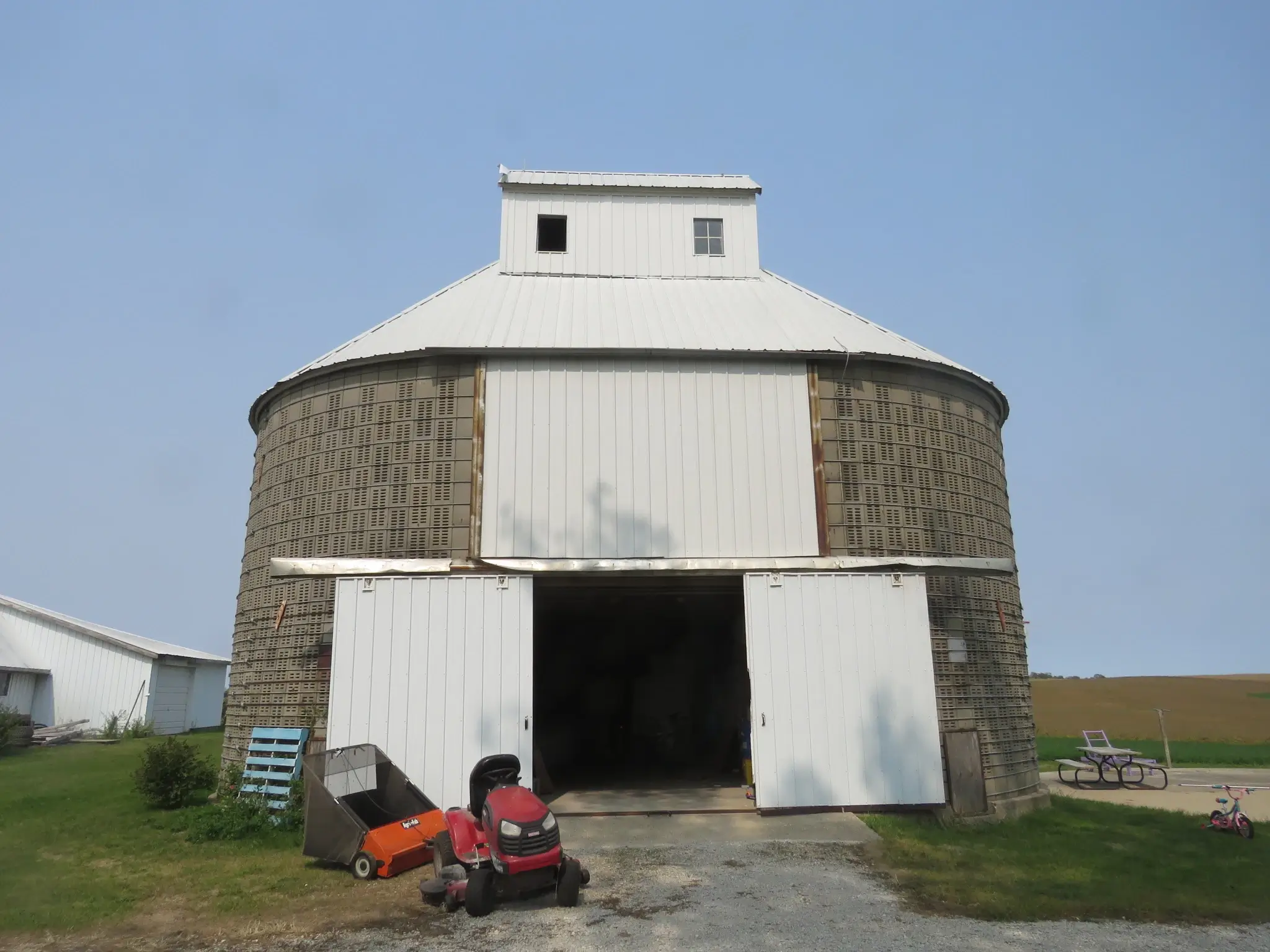
To prepare for metal’s growing popularity in both urban and rural construction, adjusters should know what to expect when this material is included in property loss claims.
Functional Hail Damage vs. Cosmetic Hail-Caused Dents to Metal Roofs and Buildings
A metal building’s vulnerability to hail impacts depends partly on the metal’s type and thickness. For instance, galvanized steel is less likely than aluminum to show impact signs. The hail’s size and the direction from which it fell also influence potential damage.
Not all hail impacts result in damage. Though hail may cause cosmetic surface dents, Underwriters Laboratory (UL) defines hail damage as only that which measurably and significantly reduces the structure’s integrity and functionality. Examples of hail damage to metal structures include:
- Compromised seals at panel seams
- Chipped or cracked metal finish
- Punctured metal surfaces
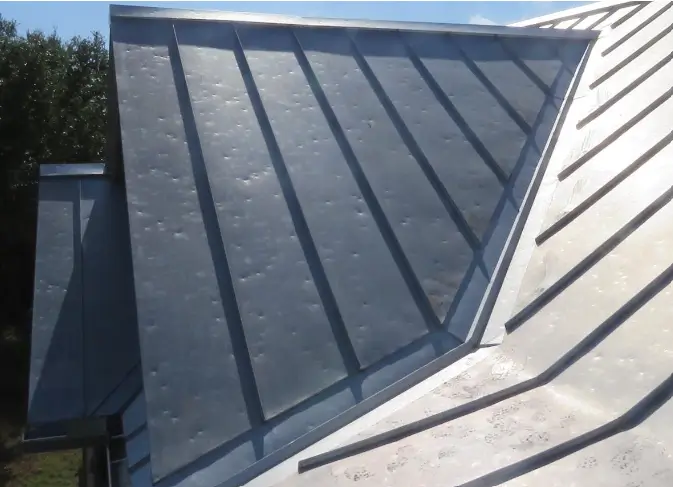
A lot of claimed hail damage to metal is cosmetic, like these indentations that have not compromised watertightness. An expert assessment can help ensure fair and accurate claim settlements.
Forensic engineers ask many questions about hail damage to confirm the cause and scope of loss to metal buildings, including but not limited to:
- Does weather data corroborate witness reports and on-site evidence?
- What direction did the hail come from, and does that match the onsite evidence?
- What are the building material characteristics?
- What was the building’s condition before the hailstorm?
Reported hail may be only part of a metal building claim, as during many storms it’s accompanied by another formidable natural force—wind.
Wind Damage to Metal Structures
Metal buildings are valued for their wind resistance. While the National Oceanic and Atmospheric Administration’s (NOAA) National Severe Storms Laboratory defines damaging winds as those exceeding 50-60 miles per hour, some steel varieties are designed to endure much more. Metal’s ductility allows these buildings to bend to forces like wind without breaking.
However, strong sustained winds or sudden gusts like those in a tornado or hurricane may still threaten metal structures. Wind can impact wall or roofing panels, with damage severity depending on wind speed and the building’s installation method, orientation, and condition at the time of the storm. Wind damage can manifest as:
- Lifted, peeled-back, or bent metal panels
- Fasteners pulled through or out of panels
- Cascading roof system failure, such as to roof members and other supports
- Functional impact damage from windborne debris
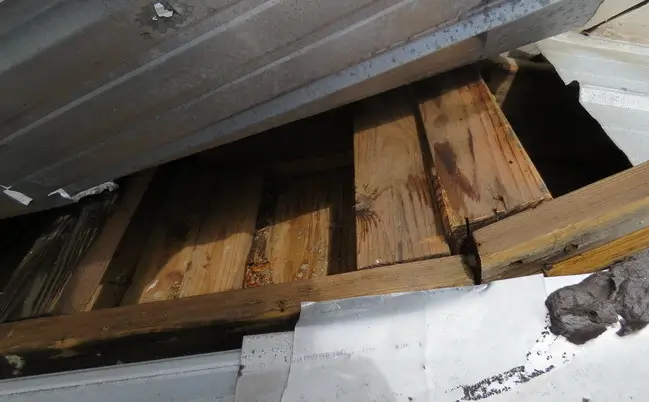
Wind peeled back this metal panel, compromising the building’s watertightness and leaving the wood roof members below vulnerable to displacement and water damage.
As with hail assessments, engineers consider many things when determining whether a metal building was wind damaged, such as:
- Is the damage consistent with wind’s top-down, outside-in pattern?
- What were the sustained and gust speeds on the loss date?
- What were the building’s age, orientation, and condition at the time of the storm?
- Do collateral indicators match the damage to the roof and structure?
For wind damage as well as hail, engineers are primarily assessing a building’s integrity and its vulnerability to moisture.
The Threat of Moisture
Water can lead to significant problems for metal buildings. While hail dents might seem cosmetic, scratches or fractures in the metal finish create openings for rust. Rust can cause metal to fail prematurely, classifying it as functional damage. Additionally, moisture can foster microbial growth, further compromising the structure’s integrity over time.
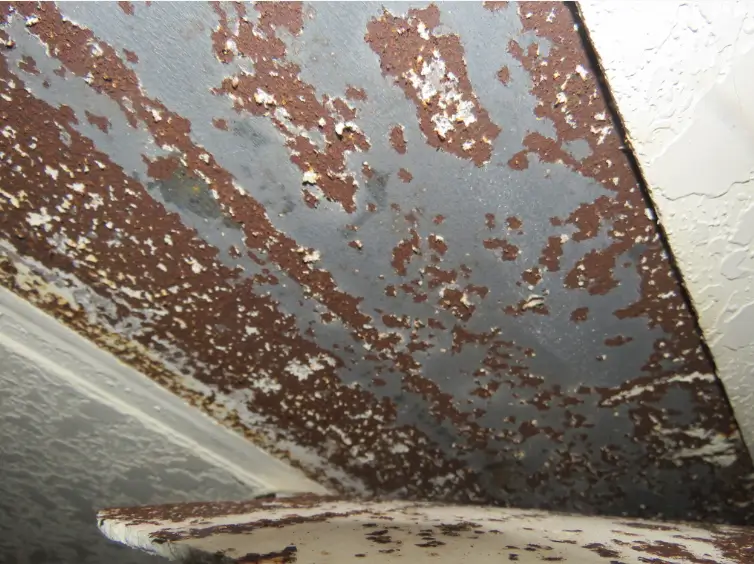
Inadequate drainage led to water intrusion and rust on this steel beam, which can reduce the lifespan of metal components and lead to full or partial collapse.
There are several possible moisture sources. An article for the Construction Specifications Institute explains that metals with low thermal resistance are prone to condensation due to HVAC systems, poor construction, or inadequate ventilation. Plumbing leaks, especially in seldom-used areas, can also contribute.
Moisture outside the building can also lead to claims. If the ground doesn’t slope away from the foundation at the 5% required by the International Building Code, water may pool around it. Pooled water can penetrate the soil and lead to settlement issues for any construction type.
Engineers familiar with the characteristics of various metals and water damage should answer these and other questions to reach an accurate cause of loss:
- What is the moisture source?
- How long has the exposure been occurring?
- What type of water is it?
For definitive insights into the underlying cause of loss, whether it’s hail, wind, or water damage to metal buildings, or any property loss you encounter, submit an assignment to Donan Engineering. With more than 75 years of engineering services experience, Donan’s licensed forensic engineers are equipped to answer complex and challenging questions about property damage.

Don’t miss insurance-focused resources and webinars about property, perils, and trends impacting claims nationwide by signing up for The Savvy Adjuster Newsletter.

Be sure to also tune in to The Savvy Adjuster Podcast to hear more from the experts themselves.
Alpine Intel’s content is meant to inform and educate readers using general terms and descriptions. They do not replace expert evaluations that determine facts and details related to each unique claim.
Related Resources
Hurricane-Related Property Damages eBook
Learn how perils associated with hurricanes affect HVAC equipment, electrical systems and electronics, and structures as well as how you can prepare for hurricane claims.

Smoke and Fire Damage to HVAC Systems Guide
Residential HVAC equipment is vulnerable to smoke and fire damage, but full replacement may not be necessary to return the HVAC system to pre-loss condition.

Rethink Smoke and Fire Damages to HVAC Systems Webinar Recording
Some losses included in claims with HVAC systems may look like smoke and fire damages but aren’t. Know what to expect and which fire-related failures are common before settling another claim.