Four Electrical Code Updates Adjusters Should Know

Every three years, the National Fire Protection Association (NFPA) updates the National Electrical Code (NEC), which codifies the latest safety and technology requirements for electrical installation and renovations. The 2026 edition has been released and must be approved by individual states to take effect. All 50 states adhere to some edition of the NEC; the most adopted is the 2023 NEC, which is in effect in 20 states. However, the 2020 NEC is in effect in 19 states, and some are still using the 2017 NEC and the 2008 NEC.
Adjusters should know about these four electrical code updates that can impact claims with electrical equipment.

A property’s location can affect an adjuster’s claim decision, which may need to account for electrical code updates and NEC adoption by state. (Map source: NFPA)
Mandatory Surge Protection for Service Replacements and Upgrades in 2020 NEC
High voltage surges are common occurrences, and the NEC often includes codes to protect appliances, consumer electronics, and specialty equipment as well as the people who use them. Surges are common occurrences, and the NEC often includes codes to protect appliances, consumer electronics, and specialty equipment as well as the people who use them. For instance, 2020 NEC introduced a requirement for type 1 or type 2 surge protectors for new electrical service installations or when an existing service is replaced. Type 1 devices, installed at the building’s service entrance, protect against external surges, while type 2 devices are at distribution panels and protect against secondary surges from perils like indirect lightning strikes.
While 2020 NEC isn’t the most recent edition, adjusters who handle claims involving electronics should know its contents, particularly as they pertain to commonly claimed losses like high voltage surge.
Expanding Safety Considerations
For the safety of policyholders, first responders, and anyone else who might need to quickly cut off power to a structure, a new code section about exterior emergency disconnects is especially pertinent. For the first time, 2023 NEC introduced a requirement that a disconnect exist for residential structures supplied by feeders or branch circuits, such as detached guest houses.
Emergency disconnects allow power to be shut off in the event of severe water exposure, fire, or extreme weather. Electrical service during and immediately following these events can exacerbate the risk, so the clearly marked and accessible emergency disconnects required by 2023 NEC will let first responders secure a scene more easily and mitigate damage to both the property and its inhabitants, one of many safety considerations in the code.
Improving Receptacle and Wiring Safety
The U.S. Fire Administration’s most recent data shows 23,700 residential fires related to electrical malfunctions occurred in the United States in 2023. From 2014 to 2023, there was a 2% increase in fires and a 28% increase in dollar loss. An electrical assessment can determine if the wiring involved in an electrical fire was up to code at the time it was installed and make repair or replacement recommendations to help adjusters make an informed and accurate settlement decision.
2023 NEC expanded the requirements for Ground Fault Circuit Interrupters (GFCI) to more receptacles than the previous editions, including those for ovens, refrigerators, and clothes dryers. GFCIs offer protection against electric shock in water-exposed areas like kitchens, bathrooms, and basements. Adjusters should also know that GFCIs can prevent some electrical fires and mitigate the effects of others.
Another safety regulation updated by 2023 NEC is the use of Arc Fault Circuit Interrupters (AFCI), which detect arcing at outlets and in nearby wiring to avoid the chance of fire. Previous editions addressed this need in bedrooms, but the 2020 electrical code updates encompass all rooms in residences, and 2023 NEC included this requirement for sleeping quarters in other building types, including police stations and firehouses. Knowing whether a structure is up to applicable electrical codes at the time of the failure may inform decisions for both electrical and fire claims.
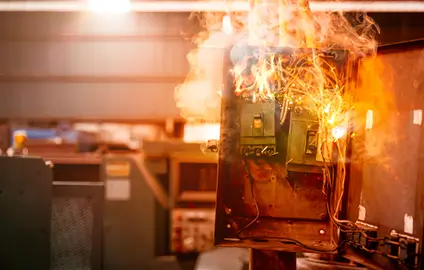
Adherence to sections of 2020 NEC and 2023 NEC can reduce fire risk – and knowing the code a policyholder’s state has adopted and the details of the property will help adjusters settle electrical fire claims accurately.
Recognizing the Growing Role of Renewable Energy in 2023 NEC
As alternative energy sources like solar power and geothermal grow in popularity, adjusters will see more of this equipment in claims and regulations surrounding it will evolve. Knowing some basics about the code—and ensuring assessment partners know which NEC edition is applicable at the loss location—can help confirm that the equipment was properly installed and that a settlement decision to return it to pre-loss condition is up to code.
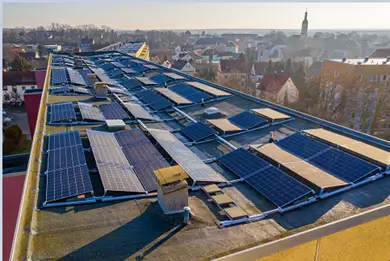
Thanks to the increased use of alternative energy resources, the installation and repair of equipment like solar panels, wind turbines, and geothermal components are getting more attention from both regulatory bodies and insurance professionals.
A section within 2023 NEC, Electrical Power Sources Interconnected with an Electrical Utility, gives guidance on how various renewable energy systems should be connected to the utility service to operate in parallel. This section and others like it will be increasingly important for adjusters to know as future editions expand regulations on renewable energy equipment and more states adopt the 2023 edition, as it may impact what equipment repairs and replacements are needed to keep a property in compliance.
When To Apply the NEC
When handling claims involving electrical equipment, it’s important for adjusters to know that the NEC requirements are not always applicable. They must be followed only in instances of new installation; when existing installations present imminent danger to people; and for additions, renovations, and repairs. In the latter situation, only the new or altered components must follow the NEC without requiring the entire system to be brought into compliance—unless these updates cause the building to become unsafe.
Also, just as different editions of the code apply depending on the area, some localities have specific rules. For example, several parishes and counties have rules indicating that if over 50% of a building’s value is damaged, the structure and all its system must be brought up to the more recent applicable code.
The NEC is complex, made more so by differences from state to state and even county to county. This article is by no means a comprehensive list of the updates and regulations contained in 2020 NEC and 2023 NEC. Adjusters should use StrikeCheck and its experts who are familiar with a variety of electrical equipment and the state’s adopted edition to obtain an accurate cause and scope of loss as well as repair and replacement recommendations. Submit an assignment to experience how StrikeCheck’s team can help you with expert electrical assessment nationwide.

Don’t miss insurance-focused resources and webinars about property, perils, and trends impacting claims nationwide by signing up for The Savvy Adjuster Newsletter.

Be sure to also tune in to The Savvy Adjuster Podcast to hear more from the experts themselves.
Alpine Intel’s content is meant to inform and educate readers using general terms and descriptions. They do not replace expert evaluations that determine facts and details related to each unique claim.
Related Resources

Commercial Electrical Equipment Losses for Adjusters Webinar Recording
Adjuster's who handle claims with electrical and specialty equipment will gain better insight into a variety of commercial electronics and their insurance impacts with this webinar.
Inspecting Electrical System Claims Webinar
A malfunctioning electrical system impacts other electronics on the property. Learn more about how it works and what losses are common in this webinar.
Inspecting Electrical System Claims Webinar Recording
A malfunctioning electrical system impacts other electronics on the property. Learn more about how it works and what losses are common in this webinar.