Five Ways To Streamline the Subrogation Process

Subrogation is a great way to hold responsible parties accountable for manufacturing defects or installation errors. Successful subrogation ensures you recover the costs of settling the claim while making the insured whole. It seems like a win-win situation. So why is it an underused option when it comes to product failures?
Subrogation can be daunting, and often convenience is a key motivator. It may seem easier to simply settle a claim and consider it closed, but this is a misconception that leads to missed opportunities and unnecessary claims leakage. Here are five things you should know about keeping the subrogation decision-making process moving smoothly.
Strategy #1: Act Fast
Time matters when you’re deciding whether to pursue subrogation. Many states have statute of repose regulations, which restrict anyone from taking action against a manufacturer after a specific amount of time has passed. These laws may be a factor with certain products.
You don’t have to know all of these regulations (see Strategy #3), but you can kick off the inspection process quickly. As close to the First Notice of Loss (FNOL) as possible, arrange for transportation and inspection of the evidence if you’re considering subrogation.
Strategy #2: Retain the Evidence
This may seem self-explanatory: without evidence, you have no chance of pursuing subrogation. Be sure to collect any component you suspect may have been involved in the reported loss. Every piece of material surrounding the loss is important and can be inspected – no matter how small!

All evidence should be preserved to the best of your ability to ensure inspectors have everything they need to identify the cause of failure.
Strategy #3: Use Your Resources
As we mentioned in Strategy #1, you probably don’t have access to data regarding product failure trends, but many product failure experts do. Serial numbers, dates of manufacture, and causes of failure play a huge part in whether a product is a good candidate for subrogation.
Inspections by licensed engineering professionals in facilities like Component Testing Laboratories (CTL) locations are crucial to identifying the cause of failure using objective scientific methods.

Engineers at CTL use their expertise and resources to identify the cause of failure on tens of thousands of appliances and components every year.
Strategy #4: Protect the Damage
A common pitfall of the subrogation process is damaged evidence. You might be asking, “Isn’t the evidence already damaged? Isn’t that why we’re doing this?” Yes, but in this case the damage itself is the key evidence, and a lot of shipping companies don’t consider it important because it’s already damaged. That attitude can lead to shipping damage if the item is carelessly packaged or loaded.
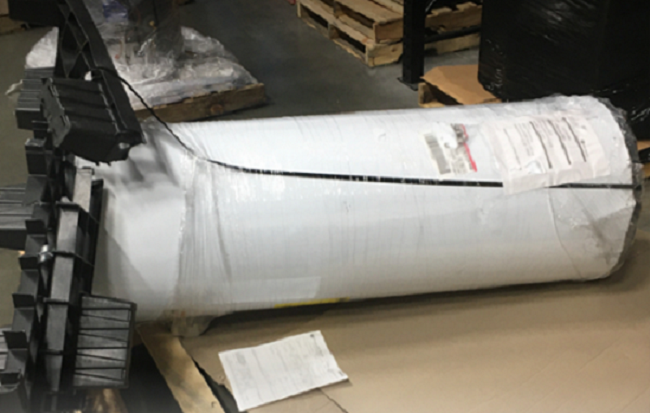
This water heater collapsed in transit because of insufficient restraints and padding, leading to additional damage that could compromise an investigation.
Getting the failed product to its destination in as-received condition is important to determining a cause of failure. CTL’s Loss Logistics is a pioneer in evidence handling, documentation, and transportation that offers a single-line chain of custody, as transitions can be rough on evidence.
Strategy #5: Make a Confident Decision
Ultimately, the decision on whether to subrogate is yours, but you can’t make it confidently unless you have the facts. Now that you’re armed with the scientifically backed data you need, you’re ready to move forward. Whether you decide on “no subro” or to pursue subrogation, you can be confident that you’ve made the right choice.
Don’t make assumptions when it comes to subrogation – get the facts! Submit an assignment to get your complex product failure questions answered by CTL’s experts using the scientific method.

Don’t miss insurance-focused resources and webinars about property, perils, and trends impacting claims nationwide by signing up for The Savvy Adjuster Newsletter.

Be sure to also tune in to The Savvy Adjuster Podcast to hear more from the experts themselves.
Alpine Intel’s content is meant to inform and educate readers using general terms and descriptions. They do not replace expert evaluations that determine facts and details related to each unique claim.
Related Resources
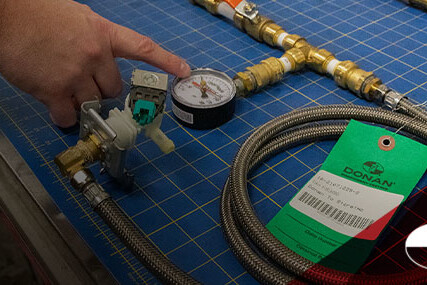
Do I Have What I Might Need to Subrogate?
Every insured product failure is an obligation and an opportunity. Often, the responsibility to get your customers paid can seem like the only priority.

5 Questions to Ask After a Kitchen Fire
Kitchen fires are the most reported home fires, according to the National Fire Protection Association (NFPA).
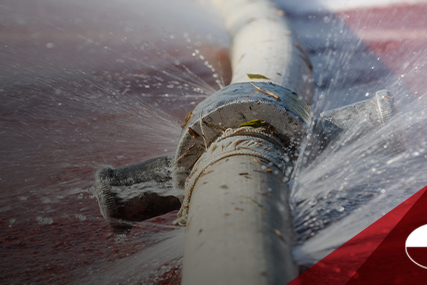
Subrogation Basics for Claims Adjusters Guide
The subrogation process can be challenging for adjusters due to legal complexities and the importance of preserving solid evidence. Gain insights into the fundamentals of subrogation with our guide.