Factors That Influence Whether To Repair or Replace an HVAC System
To replace or not to replace? That is the question. For an adjuster, this query about whether a full HVAC system replacement is necessary shouldn’t be as daunting or as vague as Hamlet debating life or death. There are definitive answers for how to best resolve your policyholders’ claims. You just need all the necessary information to determine accurate claim settlements in a timely manner.
On average, less than half of the HVAC systems that HVACi assessed needed a full-system replacement. Cause of loss and scope of damage are two critical factors in determining whether a repair or a replacement is required to return an HVAC system to pre-loss condition. Here are some considerations that also play a part.
Age of an HVAC System
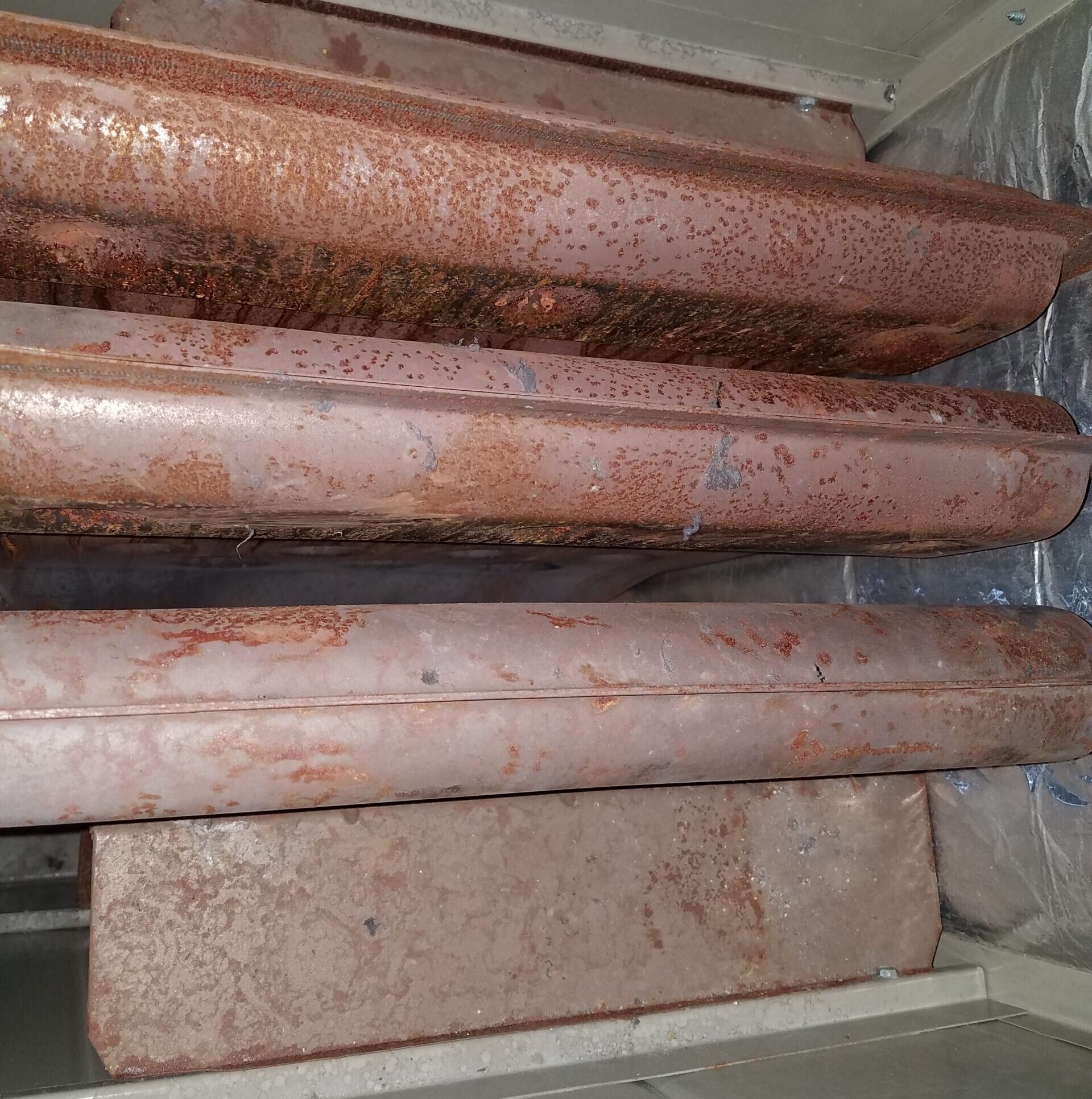 The age and how well a policyholder maintains an HVAC system could impact whether the equipment requires a replacement.
The age of equipment may have a supporting role in whether a repair or replacement HVAC system is necessary. For example, residential HVAC systems typically have a median lifespan of 15 years, according the ASHRAE. How well the policyholder has maintained an HVAC system increases its lifespan, but a failure to do so could affect the cause of damage and its extent.
When considering the claim, adjusters should evaluate the age and condition. The problem may be common for systems of that age and type, which could point more to age-related wear and tear in lieu of a different peril. In this case, the policy will determine if any action – repairs or replacements – is covered based on the cause of loss.
It’s critical to determine how damage was sustained before settling for a repair or a replacement.
Cost of Repairs Versus A Replacement
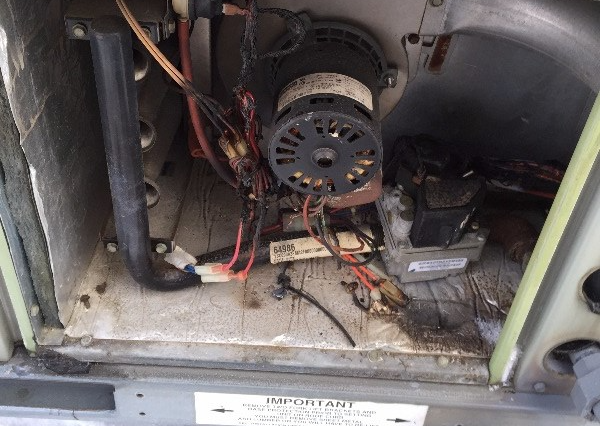 In this claim HVACi assessed, a bent HVAC system gas line directed the flame into the burner compartment causing multiple components to be charred and melted. While repairs could have been possible, the cost would meet or exceed that of a replacement.
Cost takes centerstage only when the price for repairs exceeds that of a full replacement. The average expense to repair a residential HVAC system is roughly $1,700; however, replacement costs are nearly $7,500. Adjusters should consider if the HVAC system can be returned to pre-loss condition with a minor or a major repair instead of an unnecessary replacement.
There are times when the damage a system sustains requires repairs that are more than a replacement would cost. This could occur if multiple major components are damaged or labor costs are too high. A scenario where this might be the case is a fire occurring in an HVAC component that also causes soot and smoke to spread through the system’s ductwork and can’t be cleaned.
To compare replacement and repair pricing most accurately, it’s important adjusters first verify market costs for labor and equipment. Location, system type, and the individual contractor may all be impacting the claimed amount. Adjusters should base decisions – and settlements – on manufacturer equipment availability and true market costs.
HVAC SEER Rating or Refrigerant Compatibility
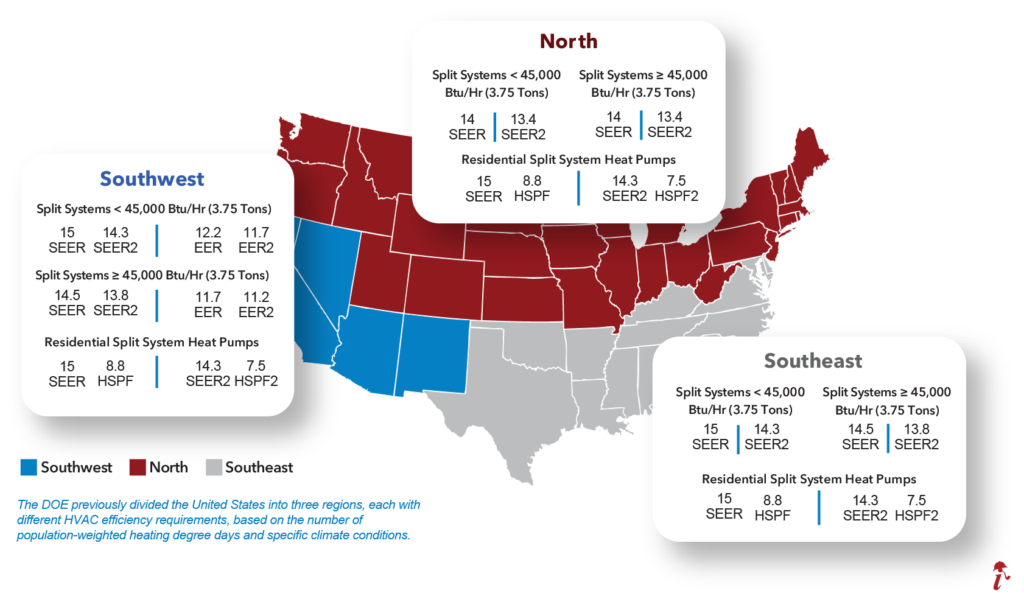
The DOE updated its required SEER rating standards, which may make equipment from prior to 2023 a mismatch to components made with today’s requirements.
A policyholder’s wants take backstage to what the policy covers. Some insureds may prefer to replace their damaged system with a more efficient one. But this typically doesn’t align with a policy and the goal of only making Like Kind and Quality changes that return a policyholder to pre-loss condition.
However, replacements or more major repairs may be recommended if new equipment could lead to an efficiency rating mismatch. Split systems consist of indoor equipment, including the air handler or furnace, and the outdoor equipment, including the condensing unit. Each are designed with efficiency ratings that work together. If a condensing unit is paired with an air handler that isn’t compatible, it may not operate at all.
Another area of concern is if components don’t use the same type of refrigerant. To clarify, the 2020 R-22 production phaseout does not mean that systems using R-22 must be replaced rather than repaired. Similarly, the phasedown of R-410A does not require the replacement of systems relying on this refrigerant. However, if a policyholder’s original system operates on R-22 and new equipment, like a condensing unit, is designed for R-410A or an A2L refrigerant, additional steps are necessary. This includes flushing the old refrigerant and making the system compatible with the new refrigerant for future use. It’s also worth noting that R-410A is not interchangeable with A2L refrigerants either.
Adjusters should ensure policyholders are advised to obtain the necessary equipment that is a match in efficiency and refrigerant to what they already have so as to not cause further problems to their HVAC system.
HVACi Experts Provide Accurate Resolutions
As you can see, whether a repair or replacement is the most applicable solution to return your policyholder’s equipment to pre-loss condition is specific to the individual claim. It requires a thorough evaluation to consider all the factors.
Take the guesswork out of the equation by submitting an assignment to the experts at HVACi, who provide comprehensive solutions for claims involving HVAC and Refrigeration equipment. Our team delivers detailed, actionable reports that convey cause of loss, scope of damage, and recommended repair or replacement options based on thorough equipment evaluations. Plus, we provide component recommendations that match what the insured already has along with availability and market pricing.
Adjusters should make decisions based on all the necessary information. Don’t let your policyholder’s claim turn into a tragedy by making an inaccurate claims settlement.

Don’t miss insurance-focused resources and webinars about property, perils, and trends impacting claims nationwide by signing up for The Savvy Adjuster Newsletter.

Be sure to also tune in to The Savvy Adjuster Podcast to hear more from the experts themselves.
Alpine Intel’s content is meant to inform and educate readers using general terms and descriptions. They do not replace expert evaluations that determine facts and details related to each unique claim.
Related Resources
Hail-Prone Commercial HVAC Equipment Guide
HVACi found that nearly half of the commercial HVAC claims included hail-damaged equipment, but more than 80% of the claimed systems could return to pre-loss condition through some sort of repair.

HVAC Hail Claim Basics Guide
Though the outdoor equipment on commercial and residential HVAC systems is susceptible to being hit with hail and often claimed, there isn’t a guarantee the results will warrant a full replacement.
Adjuster Course In HVAC Refrigerant
The ban on the production and importation of virgin R-22, frequently used in HVAC systems, took effect in 2020 following a years-long phase out of these refrigerants.