Exploring Subrogation Potential: Plumbing and Appliance Failures

A sudden, significant water loss from an appliance or plumbing failure may warrant further investigation to help you and your carrier determine subrogation potential. This interactive guide highlights common failures identified by Component Testing Laboratories’ (CTL) professional engineers, that may be linked to manufacturing defects or installation errors.
Delve into this resource to:
- Learn about failure modes for plumbing components such as brass fittings, PEX tubing, water valves, water filters, and faucets
- Understand how losses involving appliances like dishwashers, washing machines, and water heaters may be linked to a third party
- Read more about CTL’s capabilities
Fill out the form to discover the failures that may be leading to water loss in your policyholders’ homes.

Don’t miss insurance-focused resources and webinars about property, perils, and trends impacting claims nationwide by signing up for The Savvy Adjuster Newsletter.

Be sure to also tune in to The Savvy Adjuster Podcast to hear more from the experts themselves.
Alpine Intel’s content is meant to inform and educate readers using general terms and descriptions. They do not replace expert evaluations that determine facts and details related to each unique claim.
Related Resources
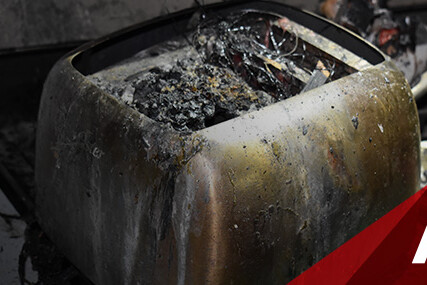
Tackling Large Loss Fire Claims with Subrogation Potential eBook
Use this eBook to learn how National Fire Experts and the Component Testing Lab work together to support your large loss fire investigations.
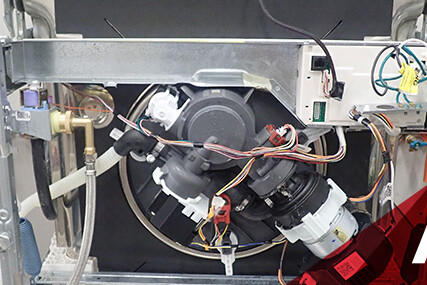
Plumbing Losses and Subrogation | The Savvy Adjuster Podcast Ep. 5
We discuss importance of identifying subrogation potential, common plumbing losses seen in the CTL, what the experts look for to determine if the failure was caused by a manufacturer’s defect, and exploding toilets.

Identifying Subrogation Potential: A Field Adjuster’s Checklist for When To Investigate a Product Failure
Subrogation starts with identifying evidence onsite. This one-page guide equips field adjusters with essential tips for considering subrogation potential.