
Evaporative Cooler Guide

Despite being one of the oldest forms of air conditioning, evaporative coolers are less common than refrigeration based HVAC systems but are still prevalent throughout drier climates (particularly the Western half of the United States). These systems rely on dry ambient air in order to absorb moisture and effectively create cooling, thus evaporative coolers most effectively operate in areas where the relative humidity does not surpass 60%. Evaporative coolers not only systematically operate differently than other traditional system types, but also have specific considerations that adjusters must keep in mind when handling these claims. Our Evaporative Cooler Claim Guide reviews the features that make these systems unique and illustrates what adjusters need to know to settle these types of claims accurately.

Don’t miss insurance-focused resources and webinars about property, perils, and trends impacting claims nationwide by signing up for The Savvy Adjuster Newsletter.

Be sure to also tune in to The Savvy Adjuster Podcast to hear more from the experts themselves.
Alpine Intel’s content is meant to inform and educate readers using general terms and descriptions. They do not replace expert evaluations that determine facts and details related to each unique claim.
Related Resources

Commercial Claim Guide: Chiller Basics
Claims involving commercial HVAC equipment can be complex, particularly when it comes to chillers. Determining the cause of loss, scope of repairs, and an accurate settlement amount can be daunting for even the most experienced adjuster.

HVAC Hail Claim Basics Guide
Though the outdoor equipment on commercial and residential HVAC systems is susceptible to being hit with hail and often claimed, there isn’t a guarantee the results will warrant a full replacement.
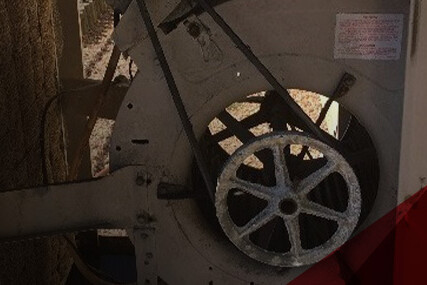
An Introduction to Evaporative Coolers
While they are not seen as frequently as traditional split systems and package units, adjusters should still make themselves familiar with this type of equipment.