Debunking Popular Myths About Wear and Tear in HVAC Systems
A recent lightning storm might seem like the obvious culprit when a policyholder’s HVAC system fails. However, the actual cause of loss might not be lightning or high voltage surge. Instead, it could be something that has been building up over months—wear and tear.
The definition of “wear and tear” is the deterioration of systems, components, or equipment over time, rather than damage caused by a sudden event, like that of lightning or high voltage surge. Though it is rarely reported, this cause of loss is common. In 2024, the experts at HVAC Investigators (HVACi), part of Alpine Intel, determined that wear and tear accounted for 25% of residential HVAC systems they assessed. For adjusters, understanding the realities of wear and tear—and recognizing common myths—is crucial to ensuring fair, accurate claims resolutions.

For any claim, wear and tear should be among the perils assessed for, even if it’s not often reported as the cause of loss.
Myth #1: Wear and Tear Only Affects HVAC Equipment at the End of Its Lifespan
Wear and tear is often assumed to be an issue that only affects older HVAC systems. While it’s true that all systems degrade over time, this doesn’t mean wear and tear is insignificant until a system nears the end of its expected lifespan. On the contrary, many factors beyond age contribute to wear and tear, some of which can even impact newer systems.
Maintenance
Preventative maintenance can help keep HVAC equipment running efficiently for as long as possible. On the other hand, neglecting regular cleaning and upkeep can lead to accelerated wear and eventual failure of critical components.
Simple practices can help policyholders reduce wear and tear, such as:
- Replacing filters with seasonal changes and inspecting them monthly
- Carefully cleaning condensing units and keeping vents and registers unobstructed
- Moderating system usage
- Promptly addressing any unusual sounds coming from equipment
Additionally, scheduling annual maintenance with a trained HVAC professional can also help policyholders protect their systems for longer.

Without proper maintenance, dirty conditions in HVAC systems, like those pictured here, may accelerate wear and tear.
Environmental Stressors
Environmental factors can also play a role in the rate of wear and tear in HVAC systems. Indoors, allergens and volatile organic substances (VOC), such as pesticides, formaldehyde, and emissions from manufactured household items and cleaners, can negatively impact Indoor Air Quality (IAQ). While HVAC systems play a significant role in making IAQ better, regular maintenance is essential to ensure contaminants don’t accumulate in this equipment over time. Outdoors, coastal climates with high salt content can accelerate corrosion, contributing to wear-and-tear-related failures in these systems.
Usage
Systems that operate continuously or face prolonged periods of high demand may show signs of wear and tear more quickly. For example, in temperate regions where heat pumps are widely used, temperatures dropping below 10 degrees can force these systems to rely on auxiliary heat to meet policyholders’ preferred indoor temperatures. This added workload can overtax components like compressors, leading to premature failure from wear and tear. When heating system claims spike after harsh cold fronts, an expert assessment is essential to accurately determine whether the cause of loss is freezing conditions, wear and tear, or something else.
Myth #2: All Components Within an HVAC System Wear Down at the Same Rate
Another common misconception is that when wear and tear occurs, it affects the entire HVAC system evenly, necessitating a complete replacement. The truth is individual components can wear down at different rates. Some parts of HVAC systems may experience more strain than others, leading them to fail from wear and tear before the whole unit does.
For instance, clogged air filters, blocked condensate drain lines, and dirty or frosted coils can obstruct airflow, disrupt heat transfer, and strain system components like fans and compressors. This added stress can lead to premature failure due to wear and tear. Dirt buildup can also cause blower motors to fail. Meanwhile, capacitors are actually built to fail in the event that the compressor overheats, which may happen if condenser coils remain dirty. Experts can identify these issues and may recommend component or system repairs rather than full replacements to return equipment to pre-loss condition.

HVACi determined that this split system’s compressor had failed due to wear and tear after testing revealed it was shorted to the ground and its winding resistances were not within their typical range.
Myth #3: Wear and Tear in HVAC Systems Is Obvious and Not Confused With Other Perils
Wear and tear is often misidentified by policyholders and contractors as a different cause of loss. This misunderstanding can lead to inaccuracies in claim resolutions and indemnity leakage. That’s why it’s critical to rely on evidence rather than accept the reported cause of loss at face value.
Adjusters need just the facts to make informed claims decisions. That’s where HVACi excels. As the nation’s leading provider of residential and commercial HVAC and refrigeration assessments and desktop pricing reviews, HVACi delivers definitive insights into the cause of loss, scope of damage, and repair vs. replacement recommendations. Make sure you rule out wear and tear before settling any HVAC claim by submitting an assignment to HVACi.

Don’t miss insurance-focused resources and webinars about property, perils, and trends impacting claims nationwide by signing up for The Savvy Adjuster Newsletter.

Be sure to also tune in to The Savvy Adjuster Podcast to hear more from the experts themselves.
Alpine Intel’s content is meant to inform and educate readers using general terms and descriptions. They do not replace expert evaluations that determine facts and details related to each unique claim.
Related Resources

HVAC Systems Quiz
Take this quiz to test your knowledge about the residential HVAC system equipment included in claims that adjusters ask HVACi experts to assess daily.
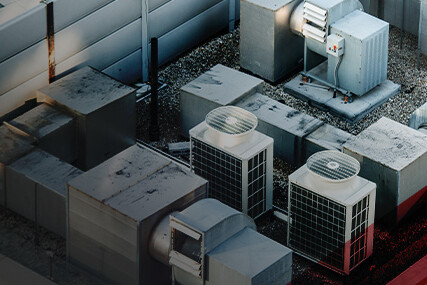
Commercial HVAC Systems Cheat Sheet
Adjusters, use this one-page reference sheet to gain a better understanding of commercial HVAC equipment – from system functions to common causes of loss.
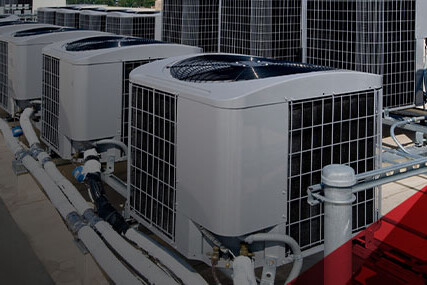
2023 Efficiency Changes for HVAC Systems
Several new U.S. Department of Energy (DOE) efficiency regulations related to HVAC systems took effect Jan. 1, 2023. Insurance professionals should know how these rules may impact their policyholders.