Combatting Property Loss Claims Leakage
Claims leakage is no small problem. A 2022 article in Insurance Thought Leadership estimates that claims leakage – defined by the International Risk Management Institute, Inc., as the difference between what insurers spent on a claim and what they should have spent – accounts for about 6% of total insurance claim payments and costs U.S.-based carriers approximately $67 billion annually. This issue can have several sources, including untrained insurance personnel, flawed claims processes, undetected fraud, incomplete information, and failure to pursue subrogation. Read on to learn about the effects of claims leakage and steps managers can take to minimize risk and impact.
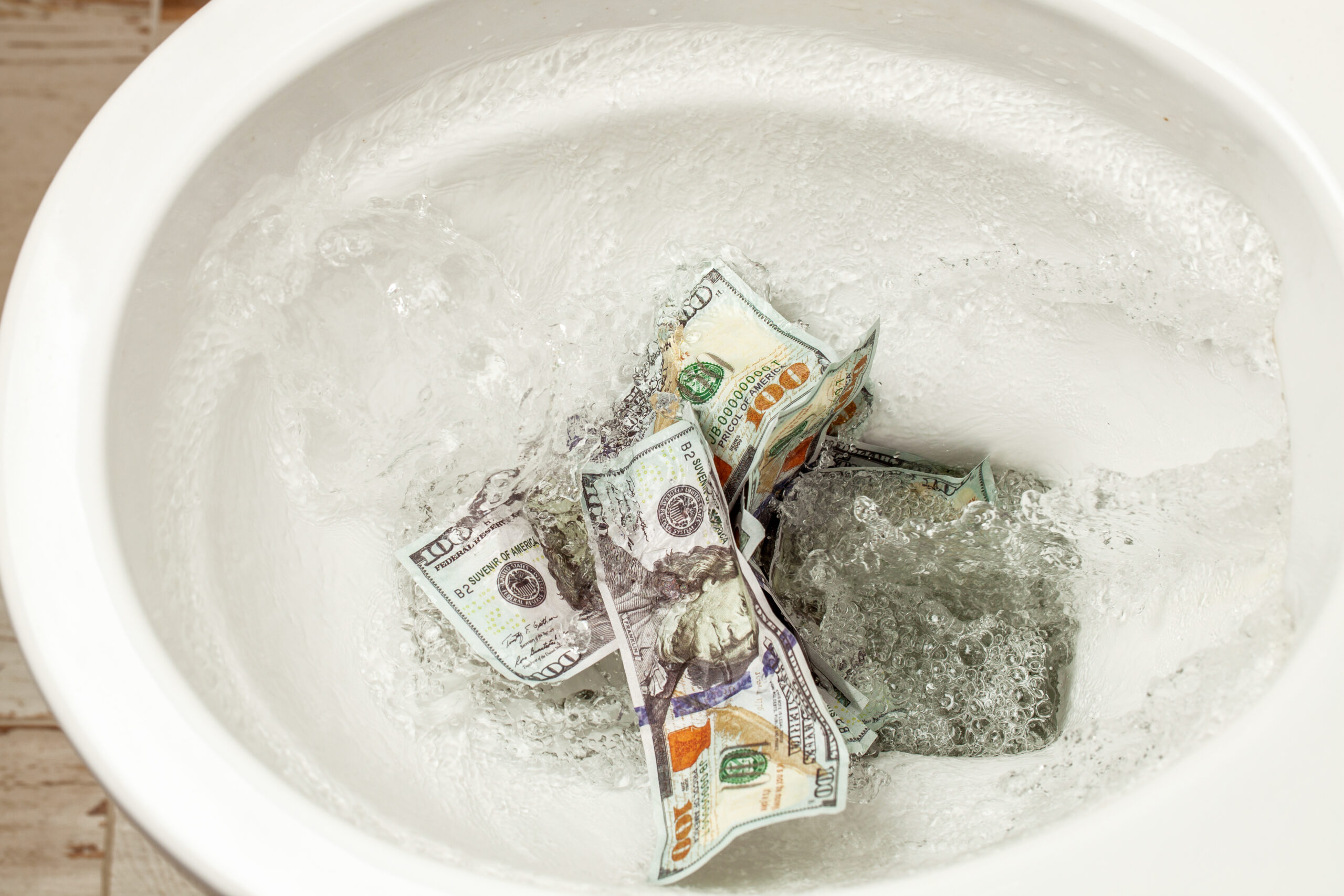
It’s estimated that claims leakage costs insurance carriers billions each year, but insurers can take measures to mitigate risk.
How Claims Leakage Hurts
Indemnity leakage harms carriers financially, often leading to significant losses that could have been avoided with more efficient claims processing. However, it also has the potential to hurt individual adjusters. Ineffective claims management can slow down business and prompt carriers to rectify their processes. When it impacts the carrier’s budget, jobs may be lost.
The negative effects don’t stop with the carrier and its employees; they spread to customers. If insurers lose money through claims leakage, it could mean policyholders have to pay higher premiums to mitigate the loss. They may also experience longer wait times if restructuring budgets leads to fewer adjusters who can handle their claims. Insurance professionals can take steps to minimize the risk of leakage by implementing certain strategies.
Check Your Processes
Regularly reviewing and updating claims processes is crucial to reducing and preventing leakage. This involves addressing any training or knowledge gaps within the team for both new hires and seasoned employees. Changes to industry best practices come quickly, and ensuring your adjusters are ready to apply recent updates to each claim may protect against indemnity leakage.
Insurers can also improve data entry procedures to minimize human error. Even the most careful adjuster can get tired, distracted, or overwhelmed occasionally, so manual entry creates opportunities for mistakes that can result in paying more than necessary on a claim. Additionally, carriers should ensure their technology systems are up to date and optimized with advanced analytical tools to support efficient claim assessments.
Take Steps to Identify Fraud
Fraud is a significant contributor to claims leakage, and taking proactive steps to identify fraudulent activities is essential. Implementing fraud regulation compliance training can help adjusters recognize inconsistencies in claims, and many of these courses even offer continuing education credit that they can apply to keep their licenses current.

Having a variety of resources, including witness statements and expert observations, can help insurance professionals recognize attempted fraud and reduce claims leakage.
Another tool helpful in detecting discrepancies is recorded statements. Adjusters should get statements from policyholders, witnesses, and others directly involved in the claim as close to the initial event as possible. Recording these statements can aid in identifying when stories change and whether physical evidence supports or refutes what was said. Round out your fraud-prevention strategies with expert assessments that provide insights to verify the legitimacy of claims.
Identify the Actual Cause of Loss and Scope of Damage
Determining the true cause and scope of the damage is vital, as both attempted fraud and incomplete information can lead to indemnity leakage. Onsite assessments are beneficial because an expert familiar with the claimed property type can:
- Identify pre-existing damages, which policyholders often mistake for new damage after an event
- Itemize the cause of loss for each reported damage, so adjusters can determine whether the actual cause for each is covered by the policy
- Determine if some claimed items are functioning as intended, so carriers can avoid settling for non-damaged items
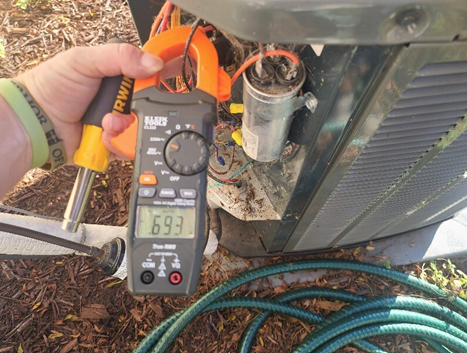
Experts familiar with the claimed equipment should conduct a thorough, objective assessment that can help adjusters reach fair and accurate resolutions, without settling for more than should be paid.
Some assessment vendors evaluate contractor estimates and can provide objective repair versus replacement costs, sometimes even after repairs or replacements have been made. This can ensure market value pricing, further illuminating areas where claims costs might be unnecessarily inflated.
Seize Subrogation Opportunities
Claims leakage stems not only from costs that were unnecessary but also expenses that should have gone to someone else. Subrogation offers a pathway to recoup settlement costs when another party, like a manufacturer or installer, is liable for the loss. Lab assessments can confirm liability, making it possible to recover funds through subrogation pursuits. Additionally, identifying product recalls and known manufacturer defects can enhance recovery efforts. Familiarize yourself with what to look for when it comes to subrogation potential and common pitfalls to avoid, so you don’t overlook an opportunity to reduce claims leakage.
Through Alpine Intel’s operating brands – HVACi, StrikeCheck, National Fire Experts, Donan, Component Testing Laboratories, and VRC Investigations – claims managers and adjusters can leverage Alpine Intel’s resource library, onsite assessments, and specialized expertise to further enhance their strategies for reducing claims leakage. Submit an assignment to experience how partnering with Alpine Intel is part of a comprehensive approach to identifying and potentially preventing claims leakage.

Don’t miss insurance-focused resources and webinars about property, perils, and trends impacting claims nationwide by signing up for The Savvy Adjuster Newsletter.

Be sure to also tune in to The Savvy Adjuster Podcast to hear more from the experts themselves.
Alpine Intel’s content is meant to inform and educate readers using general terms and descriptions. They do not replace expert evaluations that determine facts and details related to each unique claim.
Related Resources

Water Damage in Property Loss Claims Guide
Water damage is a frequently claimed peril. Download this guide to learn more about water losses to HVAC systems and electronics, including critical data, causes, and affected items.
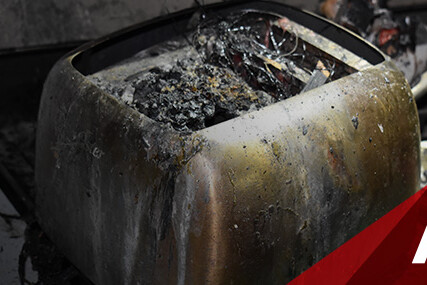
Tackling Large Loss Fire Claims with Subrogation Potential eBook
Use this eBook to learn how National Fire Experts and the Component Testing Lab work together to support your large loss fire investigations.
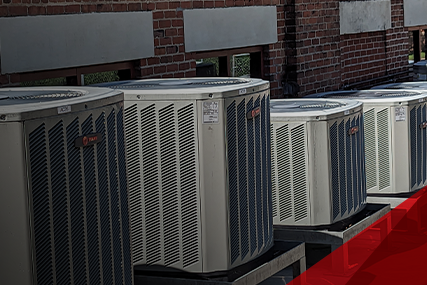
Settling Commercial HVAC Large Loss Claims Guide
A quarter of all equipment included in large loss claims assessed by HVACi last year was non-damaged at the time of assessment, which could result in a lot of unnecessary claims leakage.