Claims Adjuster Education: CE Credit and Beyond
Being an effective adjuster means keeping up with evolving insurance industry regulations as well as developments in the field of property loss. In many places, continuing education isn’t just a good practice – it’s a requirement. While directives vary by state, Claims Journal reports that most require about 24 hours of continuing education credit per renewal cycle to maintain an adjuster license.

There are a lot of adjuster training options for professional development, and figuring out which one is right for you can optimize your experience.
If you’re looking for adjuster training to fulfill these requirements or learn something new to help you stay knowledgeable and competitive, there is no shortage of offerings. Narrowing your search to the options that are best for your success and growth plan can help you get the most out of your professional development.
What Are Your Goals for Claims Adjuster Education?
As with everything, knowing what you want is crucial. Maybe you’re just doing what you need to keep your adjuster license current, but chances are you want more than that. Why not have some fun or work toward your five-year plan while you check those boxes?
If you’re concerned about keeping up with regulatory changes, evolving frameworks, and best practices, claims adjuster education is a key component. This can cover both the insurance industry and the construction or equipment you often see in property loss claims. Just ensure that your information is coming from a trusted, credible source.

Create a professional development plan that moves you toward your goals and helps your decision-making process.
You might be more interested in gaining new professional designations or adapting to strides in technology. Taking the initiative to find adjuster courses that will move your career along increases your value in the field and strengthens your résumé. Technology isn’t the only thing you want to stay on top of, either; keeping up with customer expectations also helps you build better relationships, and several courses delve into techniques you can implement to meet the demands of modern policyholders.
Don’t limit yourself to the insurance industry if you want to fill in some gaps about property that will help you reach accurate settlement decisions. Many assessment partners, including Alpine Intel, host webinars and in-person seminars about the equipment and causes of loss that are likely to show up in claims.
Once you’ve outlined what you want from your professional development, it’s time to think about how you want to get your information.
How Do You Learn?
Regardless of your motivation for pursuing professional development, material will stay with you longer and you’ll be more excited to put new skills into practice if it’s delivered in a way that works for you. There are several different media for professional development. The most popular are webinars, online courses, and in-person presentations.
Webinars are good professional development tools because they are usually run by experts in their field and are often one-off time commitments. These are bite-size insights into best practices and the organizations that can give you tips and tricks about how to apply them. For example, Alpine Intel’s education program offers monthly presentations on fire investigations, structural losses, HVAC equipment, and electronics and electrically powered specialty equipment to help prepare adjusters for when these claims come across their desk.

Webinars and online resources provide adjuster courses for those who want to learn on their schedule and offer a vast array of topics.
Online adjuster courses tend to be a little more in-depth, and most allow learners to progress through the course at their own pace. Should you choose to go this route, make sure not only that you’re interested in the topic but also that the level and cadence of each section is right for you. If you get bored because the course is too basic, you get nothing out of it. Similarly, getting lost in advanced lingo and technology won’t help you put what you’re learning into practice. Find a course that is challenging and insightful for your level of comfort with the subject.
In-person presentations are good for adjusters who value networking and often allow attendees to get their questions answered immediately. Another benefit is that they can often be tailored to various crowds, with presentations offered everywhere from large insurance conferences to a more intimate group setting.
What Are Your Next Steps?
If a topic really grabs you, or if the material is necessary to achieve your stated goal, it shouldn’t end once you finish the course. There are a few things you should do to get the most out of your claims adjuster education.
- Use a reputable provider. The organization providing the materials should follow up. This can take many forms, like sending out related content or checking in via email. They should also provide contact information for questions you may have and answer them in a timely manner.
- Apply what you’ve learned. Remember, it doesn’t have to be perfect the first time, and you might have to look for opportunities – but it’s worth it! Practice is the most important part of improvement.
- Create a network of trusted sources. Hopefully you can add your latest instructor to your list of resources, and using them might help you expand your network on this topic. Share what you’ve learned with others and listen to what has helped them grow as well.

Professional development gives you an opportunity to network with experts and other learners, as well as to share your knowledge with peers.
- Build your library. When you do research or receive follow-up materials, save useful pieces somewhere you can easily access it later. Your resource library should be filled with content you can trust, so it will be at your fingertips when you need it.
Alpine Intel’s education team is backed by experienced professionals in the insurance industry as well as in assessing structural, fire, HVAC and refrigeration, and electronic losses and is dedicated to providing valuable instruction to insurance professionals. Explore our library to answer your property questions, and check out our upcoming offerings for CE credit.

Don’t miss insurance-focused resources and webinars about property, perils, and trends impacting claims nationwide by signing up for The Savvy Adjuster Newsletter.

Be sure to also tune in to The Savvy Adjuster Podcast to hear more from the experts themselves.
Alpine Intel’s content is meant to inform and educate readers using general terms and descriptions. They do not replace expert evaluations that determine facts and details related to each unique claim.
Related Resources
The Savvy Adjuster Newsletter
Stay up to date with regulations, better understand complex equipment and structural concerns frequently included in claims, and learn more about topics that impact you and your policyholders.
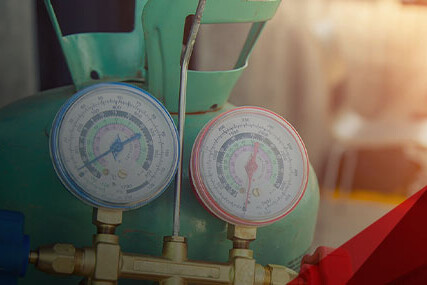
Adjuster Course In HVAC Refrigerant
The ban on the production and importation of virgin R-22, frequently used in HVAC systems, took effect in 2020 following a years-long phase out of these refrigerants.

Adjuster’s Guide to Lightning Claims
Explore this interactive guide to learn about different types of lightning and what a Lightning Verification Report can tell you about what happened at a loss location during a storm.