Beyond Assessments: Solutions for Business-Critical Equipment Losses

Key Takeaways
This article explores:
- How loaner equipment, vendor coordination, and salvage solutions can minimize downtime and reduce further losses
- The value of litigation-ready documentation for commercial equipment claims
- Why expert partners are essential for managing these stages of the claims process
When business-critical equipment is included in a claim, an on-site assessment can verify the cause of loss, determine the scope of damage, and assess repairability. However, even after a thorough inspection, insurance professionals and their policyholders may still face questions related to the claim, such as: What’s the best way to secure loaner equipment? How can I coordinate vendors and address maintenance contracts? Can I recover salvage value? Do I need to prepare for litigation?
Learn how expert support can help manage all these challenges.
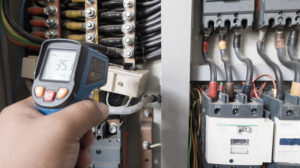
An on-site assessment is key for business-critical equipment losses and often highlights further actions required to fully resolve the claim and return the policyholder’s items to pre-loss condition.
Securing Loaner Equipment
Extended downtime can financially strain commercial policyholders. But long lead times for repairs or replacements can’t always be avoided.
Equipment loans offer a practical solution. Insurance professionals who provide functional equipment while the damaged items are being serviced can reduce business interruptions and create a positive customer experience. This is especially valuable when dealing with long repair cycles or supply chain delays for replacement parts.
An experienced assessment partner should possess the necessary industry relationships to source and secure this loaner equipment, even for highly specialized fields, such as medical or dental practices.
Vendor Coordination and Management
Managing vendors for commercial equipment losses can be overwhelming. Coordinating schedules, requesting quotes, and monitoring work from authorized manufacturers or specialty repair technicians adds a significant administrative burden.
A well-connected assessment provider can leverage their industry connections and handle those vendor relationships end-to-end. Adjusters can focus on other aspects of the claims process without this responsibility resting solely on them. Oftentimes, this expert support also facilitates faster outcomes for policyholders who need vendors to move swiftly to restore their equipment.
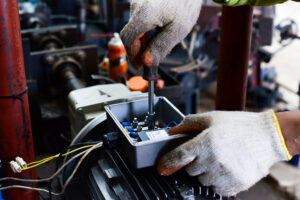
Efficient manufacturer or contractor coordination benefits policyholders and insurers alike by minimizing business disruptions and potentially shortening cycle times.
Maintenance Contract and Service Agreement Reinstatement
Many commercial policyholders use maintenance contracts or service agreements for their business-critical equipment. When this equipment is damaged, these agreements may need to be updated or reinstated.
Insurance professionals should be able to rely on third-party experts to determine if contracts can be transferred to replacement equipment and to update the terms of service for repaired equipment. This is an integral part of returning systems to pre-loss condition.
Equipment Salvage and Scrapping
When damaged equipment can’t be repaired or replacement is the most cost-effective solution, salvage and scrapping can become important tools for reducing exposure.
However, maximizing value requires specialized knowledge of equipment markets and buyer networks that adjusters may not have. An experienced assessment partner should have established processes for identifying salvage opportunities and coordinating equipment sales.
This process typically begins with market research to determine current salvage values based on the equipment’s condition, age, and demand. It should also include transparent communication with consistent updates regarding the value of salvage equipment and potential buyers.
Scrapping services can be helpful for equipment with no salvage value. Insurance professionals should look for experts who can:
- Identify and secure competitive bids from local scrap vendors
- Provide detailed written proposals for approval
- Coordinate equipment removal
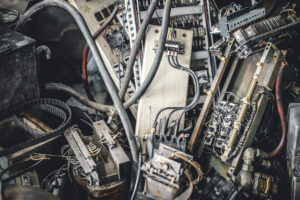
Even damaged equipment that can’t be salvaged may still be scrapped to reduce losses.
Litigation Support
Business-critical equipment claims can escalate to litigation or subrogation proceedings, and when they do, carriers and their partners need to be ready. Detailed documentation, thorough analysis, and credible expert testimony can make a big difference in achieving a defensible position.
Working with consultants who understand and prepare for the possibility of litigation from a project’s start can make everything run more smoothly should it occur.
A Tailored Scope for Commercial Equipment Losses
Not every business-critical equipment claim requires the same level of support. TechLoss Consulting & Restoration, part of Alpine Intel’s suite of services, offers a flexible service range for these commercial claims (as well as high net-worth residential system losses)—from simple invoice and desk reviews to full on-site assessments and the supplemental services outlined here. Their experts can match their scope to each claim’s actual needs.
Submit an assignment to see how TechLoss can become the additional teammates you need to fully resolve commercial equipment losses accurately.

Don’t miss insurance-focused resources and webinars about property, perils, and trends impacting claims nationwide by signing up for The Savvy Adjuster Newsletter.

Be sure to also tune in to The Savvy Adjuster Podcast to hear more from the experts themselves.
Alpine Intel’s content is meant to inform and educate readers using general terms and descriptions. They do not replace expert evaluations that determine facts and details related to each unique claim.
Related Resources
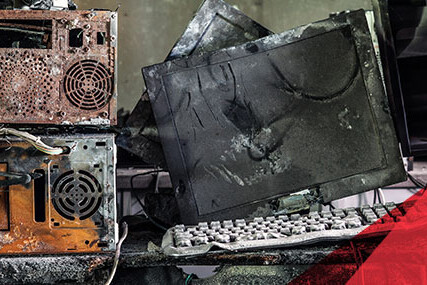
Assessing Business-Critical Equipment After a Fire Loss Guide
Learn how experts assess commercial electrical equipment after a fire; address smoke, heat, and water damage; and provide recommendations for repairs or replacements.
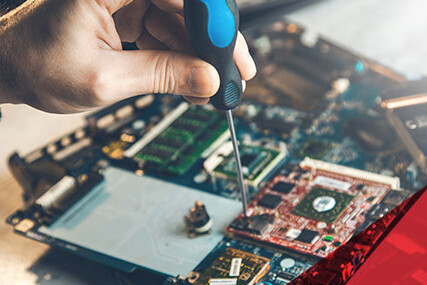
Repair or Replace? Deciding on Next Steps for Claims With Business-Critical Equipment Guide
Many factors inform whether repair or replacement is the right solution for claims with business-critical equipment. Download the guide for a list of questions to answer.
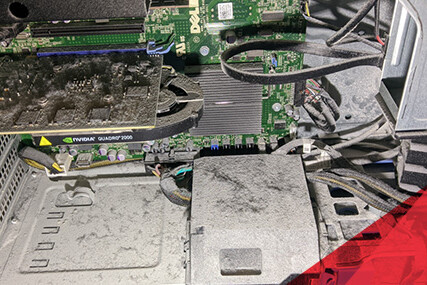
Equipment Restoration Following Fire and Water Losses
Discover how experts can bring critical equipment back to life after fire or water damage, ensuring minimal disruption to business operations.