7 Examples of Specialty Electrical Equipment in Commercial Claims

Many businesses rely on highly specialized equipment to serve their clients. But when this equipment winds up in commercial claims, reaching accurate resolutions can be challenging without technical knowledge.
For insurance professionals, understanding these critical assets—and knowing when to call in expert support—is key to accurately assessing damage and resolving claims quickly and fairly. Explore seven unique types of business-critical electrical equipment you might encounter in claims and discover strategies to handle them effectively.
1. X-Rays, MRI Machines, and Other Medical Equipment
Minimizing downtime is crucial for any commercial policyholder, but in hospitals and medical facilities, the urgency is even greater. When vital equipment like CT scanners, MRI machines, ventilators, or sterilization tools malfunction due to power outages, extreme weather, wear and tear, or something else, it can disrupt patient care, delay diagnoses, and compromise treatment outcomes.
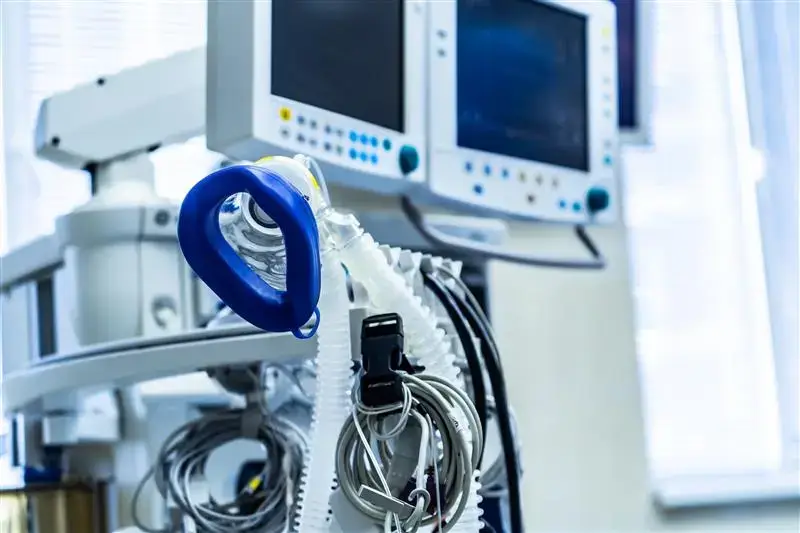
Ventilators and other medical equipment are potentially life-saving devices, and any claims involving them need to be acted upon quickly and accurately.
However, rushing to replace damaged equipment isn’t always the best course of action. For example, power outages can reset machines to default settings, leading to inaccurate readings or improper operation. Insureds may deduce that the equipment has failed, when in reality an expert could recalibrate the equipment or may recommend a repair rather than a full replacement. This could not only save costs but also reduce downtime, allowing policyholders to avoid potential delays associated with sourcing new equipment.
2. Dental Equipment
Most people rarely consider how dental chairs or other devices in a dentist’s office work. That’s why when this equipment becomes part of a commercial claim, you’ll likely need to bring in objective, expert backup.
These professionals should operate independently of contractors or equipment suppliers to ensure you receive an unbiased assessment with fair, cost-effective recommendations for repair or replacement.
Partnering with an assessment expert who can also arrange loaner equipment and identify items suitable for restoration can significantly reduce the cycle time of a claim. This approach not only helps policyholders get back to serving patients faster but also avoids unnecessary costs associated with premature replacements.
3. ATMs
Automated Teller Machines (ATMs) are often found outdoors and may be susceptible to damage from weather-related perils, fire, theft, high voltage surge, and wear and tear.
However, the first step in addressing ATM claims, just like any other property damage claim, is verifying the cause of loss. While weather data from reputable sources such as the National Oceanic and Atmospheric Association may be able to confirm conditions at the time and location of the loss, it’s not enough on its own.
Combining this data with an onsite assessment or a thorough review of all documented evidence can not only help verify the cause of loss but confirm the scope of damage and what’s needed to restore an ATM to its pre-loss condition.
If replacement is the most appropriate next step, it’s important to recognize that ATMs are not created equal. They come in a variety of types, with varying functionalities. Some may be purely cash-dispensing models, whereas others have interactive teller or deposit-taking capabilities. Any replacement equipment needs to be Like Kind and Quality to the original, which an equipment supplier may not have in mind when providing an estimate. Make sure to vet any estimates through an unbiased expert.
4. Gas Pumps
Like ATMs, gas pumps are vulnerable to weather-related perils, theft, fire, and wear and tear. But these systems consist of multiple interconnected components, such as PIN pad displays, credit card readers, circuit boards, housing, and fuel dispenser pumps. This intricate design means that damage to one part does not necessarily result in damage to the entire system.
Determining the root cause of damage can be complex because multiple components may be impacted by different perils. For example, the experts at TechLoss Consulting & Restoration, part of Alpine Intel’s suite of services, evaluated gas pumps in affected regions following Hurricane Helene. Evaluations determined multiple causes of loss impacted equipment. Some components suffered from high voltage surge or water damage linked to the storm, while others, like display screens, showed wear and tear tied to prolonged sun exposure.
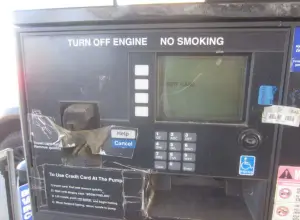
TechLoss determined that the PIN pad display on this gas pump was non-functional and showed signs of sun damage, rather than water damage from Hurricane Helene.
5. Car Washes
Determining why a car wash may not be functioning as designed is no small task. Conveyors, high pressure water systems, dryers, chemical applicators, and more make this specialty equipment unique.
Run tests can certainly help evaluate car washes, but looking at each component individually is also important. As part of an investigation, experts may also turn to maintenance logs to shed light on the cause of loss. These documents can provide a history of maintenance, repairs, or lack thereof. While not always the case, insufficient maintenance can sometimes contribute to accelerated wear and tear that results in a claim.
6. Vending Machines
Though designed to withstand the effects of most weather, extreme conditions can still damage outdoor vending machines. But the impacts may not always be as severe as policyholders think.
For example, after a snowstorm, a commercial claim was filed for 40 vending machines reportedly damaged by water. TechLoss was tapped for an onsite inspection and found that while snow and water had affected external and some internal surfaces, the machines could be cleaned, tested, and restored to return them to pre-loss condition. This careful evaluation showed restoration was the best solution in this instance, costing approximately $72,000 compared to the claimed amount of $550,000.
7. Data Array Equipment
Data is an invaluable asset for all types of businesses, making it crucial to promptly address any issues with the equipment that stores it promptly. Reported damage from perils such as water or fire requires careful evaluation by experts who can disassemble the equipment without causing further harm. This meticulous approach can lead to answers that inform more accurate claims decisions.

Some businesses depend on large data centers housing a vast number of hard drives. To base decisions on an accurate scope of loss, an expert should thoroughly inspect all of this equipment before a claim is settled.
Fortunately, TechLoss Consulting & Restoration is fully equipped to inspect data array equipment, dental and medical equipment, ATMs, gas pumps, car washes, vending machines, and hundreds of other types of business-critical commercial and high net-worth residential systems. TechLoss delivers straightforward solutions for these complex technical claims by providing onsite inspections, restoration services, and data recovery support for insurance carriers nationwide. Submit an assignment and let us assist with your next specialty equipment claim.

Don’t miss insurance-focused resources and webinars about property, perils, and trends impacting claims nationwide by signing up for The Savvy Adjuster Newsletter.

Be sure to also tune in to The Savvy Adjuster Podcast to hear more from the experts themselves.
Alpine Intel’s content is meant to inform and educate readers using general terms and descriptions. They do not replace expert evaluations that determine facts and details related to each unique claim.
Related Resources

Commercial Electronic Equipment Claims Guide
Which electronically powered item is the most important? To commercial policyholders, all impact how their business runs, from office networking equipment to retail point of sale components.
Recategorized Causes of Loss in Electrical Equipment Claims
Discover how expert assessments can uncover the true causes of loss in electrical equipment claims, ensuring accurate settlements and preventing unnecessary expenses.
Are You Accurately Settling Commercial Claims?
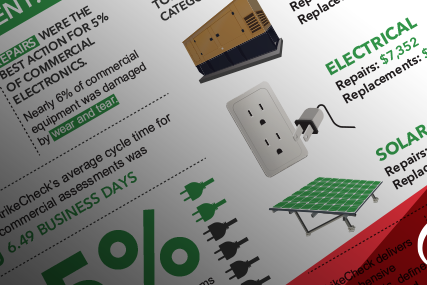
Commercial claims often risk thousands of dollars of claims leakage if not settled accurately. Consider the following data before you settle your next one.