
5 Ways Improper Ventilation Can Cause Fires

Fire investigators evaluate so many factors throughout an origin and cause investigation that it can be hard for insurance professionals to keep track. One consideration that may not be top of mind for adjusters that can play a significant role in a fire’s ignition sequence is ventilation.
The U.S. Department of Energy defines ventilation as “the exchange of indoor and outdoor air.” Confined spaces that contain heat and certain materials without proper ventilation can present a fire risk. For instance, accumulated flammable gasses and vapors, dust buildup, clogged clothes dryers, insulated electrical equipment, and chemically stained rags can all give rise to fire if improperly ventilated. Read about each scenario and learn how expert investigations can determine if improper ventilation could be linked to your fire claim.
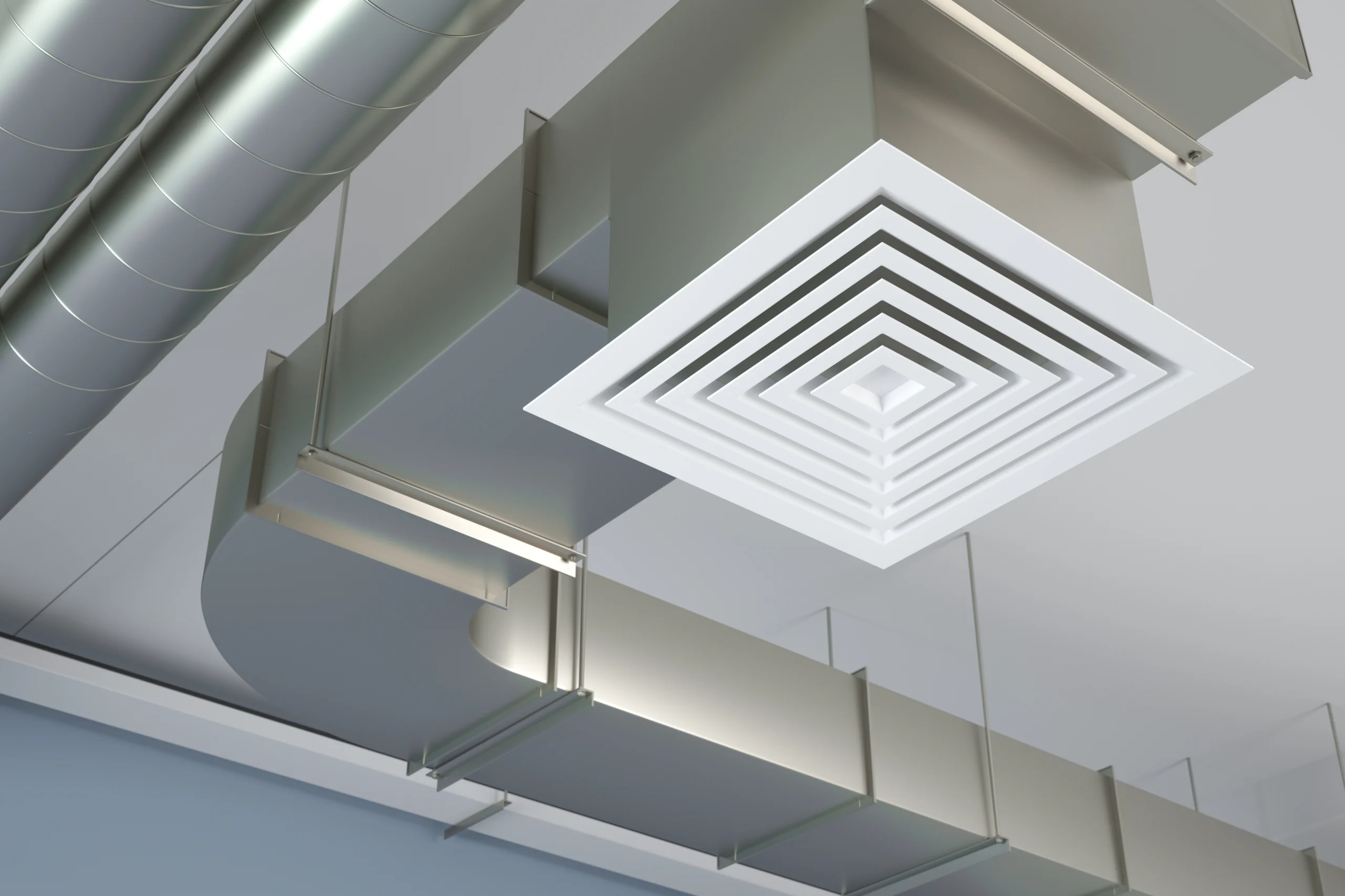
Adequate ventilation is not only important for filling living spaces with clean air but also for preventing fires in residential and commercial facilities.
Flammable Gasses and Vapors Accumulate
Fire investigators sometimes encounter fires or explosions that have occurred as a result of a gas leak in a home or business. This is because when flammable gases such as propane or natural gas accumulate in enclosed spaces with improper ventilation and an ignition source, they can ignite. The ignition source can vary, but appliance switches and water heaters or furnace pilot lights have been known to be culprits.
Methane, commonly used in the oil, gas, and agricultural industries, also requires proper ventilation to prevent fires or explosions.
Dust Becomes Airborne in the Presence of a Spark
Different types of dust can become a fire hazard when paired with improper ventilation. Fire investigators commonly encounter ignition sequences involving dust in industrial or agricultural fires. Sawdust at lumber mills, metal dust at manufacturing facilities, and grain dust in grain bins can all ignite if their particles become airborne in the presence of a spark, arc, or open flame without proper ventilation. That’s why experienced fire investigators evaluate modes of ventilation when examining fire scenes in these commercial settings.
Clothes Dryer Exhaust System Clogs
While clothes dryers are known fire hazards, you may be less familiar with how improper ventilation factors into these blazes. Dryers depend on consistent air circulation to avoid overheating and to efficiently vent lint and other particles. When lint gathers in the appliance and clogs its vent, higher than normal temperatures are likely to develop.
As heat increases within the dryer, airborne lint particles that would typically be carried away and rendered harmless under normal conditions may be stuck and forced to circulate within the unit. Here, these particles are in danger of encountering the dryer’s heat source and igniting before they can be caught by the lint filter. This finite combustion, once insulated, can smolder and develop into what fire investigators refer to as a flaming combustion.

Trapped lint is often the first fuel ignited in dryer fires that occur due to poor ventilation.
Electrical Equipment Is Insulated, Traps Heat
In addition to dryers, other electrical equipment can become dangerous fire hazards if proper ventilation is neglected. Electrical items or components often generate heat. If this equipment is insulated and not able to vent or dissipate the heat it generates, it can overheat.
Overheating in turn can lead equipment to fail and emit arcs or sparks that can ignite combustible material in contact with the equipment. National Fire Experts (NFE) investigators have encountered this issue with bathroom vent fans. If not properly cleaned, dust will accumulate in the fan’s enclosure, causing its motor to stall and overheat. This excessive heat may then ignite the dust and plastic covers over the vent.
Chemically Stained Rags Spontaneously Heat
After staining a wood surface, homeowners or business owners may be left with a pile of oily rags. If they are unaware of the danger posed by spontaneous combustion, they may toss these rags in a pile in the garbage without a second thought.
But chemically stained rags require ventilation to keep from going up in flames. If rags with flammable substances, like some cleaning agents, wood stain, or vegetable oil, are piled on top of one another they will start to heat due to an exothermic chemical chain reaction between the substance on the rags and the cotton material. This can result in thermal runaway, igniting the rags and other combustibles. As a preventative measure, rags should be spread out with proper ventilation or be disposed of in a sealed metal can with water.
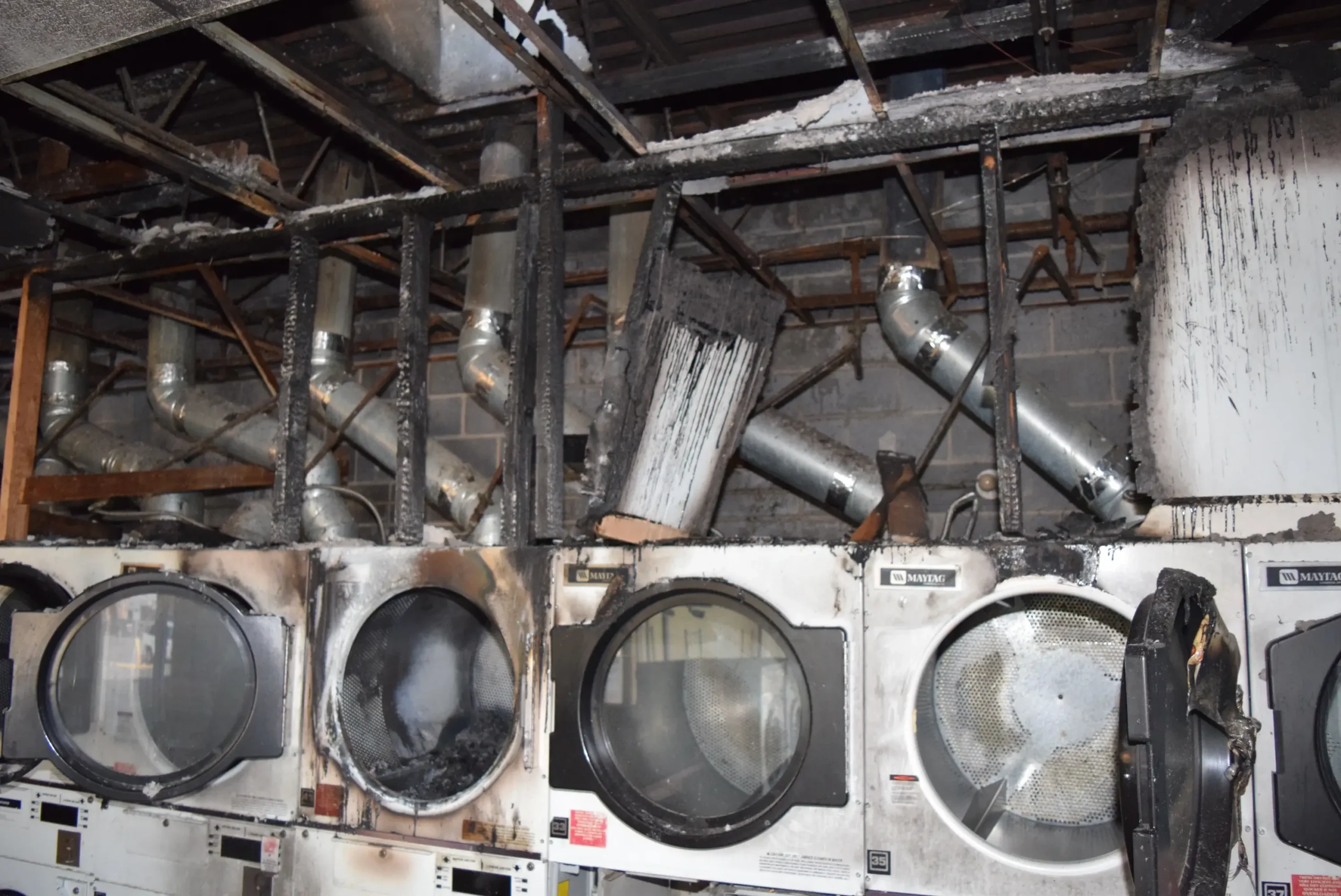
NFE investigators determined that the ignition sequence for this laundromat fire was spontaneous combustion that occurred when the rags and cloths ignited due to self-heating.
The Power of a Detailed Investigation
Ventilation continues to affect a fire’s spread and behavior once ignited, too. Seasoned fire investigators can use indicators left at the fire scene to determine how ventilation contributed to a fire’s development, supplying even more insights for adjusters, carriers, and their policyholders. NFE, part of Alpine Intel’s suite of services, takes its commitment to these insurance professionals seriously using a thorough, 11-step investigation to provide the most actionable origin and cause report in the industry. Submit an assignment to get NFE’s eyes on your next fire claim that could have been impacted by ventilation.

Don’t miss insurance-focused resources and webinars about property, perils, and trends impacting claims nationwide by signing up for The Savvy Adjuster Newsletter.

Be sure to also tune in to The Savvy Adjuster Podcast to hear more from the experts themselves.
Alpine Intel’s content is meant to inform and educate readers using general terms and descriptions. They do not replace expert evaluations that determine facts and details related to each unique claim.
Related Resources
10 Fire Hazards in the Home That Could Cause Claims
Discover 10 potential fire hazards in the home prone to being the origin and cause in fire claims.

The Importance of Origin and Cause for Vehicle Fires
Vehicle fire origin and cause investigations for accurate settlement require knowledge of fire’s behavior, onsite evidence, vehicle history, and more as explained in this article.

Fire Claims: From Investigation to Litigation
Your fire claims may require onsite investigations, transporting evidence, product assessments, and litigation support. Consider this all-inclusive path.