5 Subrogation Mistakes You Should Avoid

Subrogation gives insurance carriers the opportunity to recover at least a part of a settlement they have already paid out to their policyholders – as long as they can prove that the manufacturer or installer of a component or appliance was responsible for the loss. As you navigate the subrogation process, keep in mind that these five mistakes may hinder your ability to subrogate.
Subrogation Mistake #1: You’re Not Sure What Subrogation Requires
Subrogation is a right held by most insurance carriers to legally pursue a third party that caused an insurance loss that is deemed no fault of the insured. Subrogation typically addresses losses from component failure, manufacturing defects, and/or installation errors. The burden of proof is always on the party filing the complaint – the insurer or their attorney – so it’s important for you to understand that a sound subrogation report includes:
- A definitive or reasonable cause of failure based upon sound engineering principles
- The elimination of likely alternative causes of failure – not all alternative causes, just the most likely ones
- A viable alternative design that was available at the time of initial design
- The expert opinion that the alternative design was technologically feasible during production and was not over-burdensome
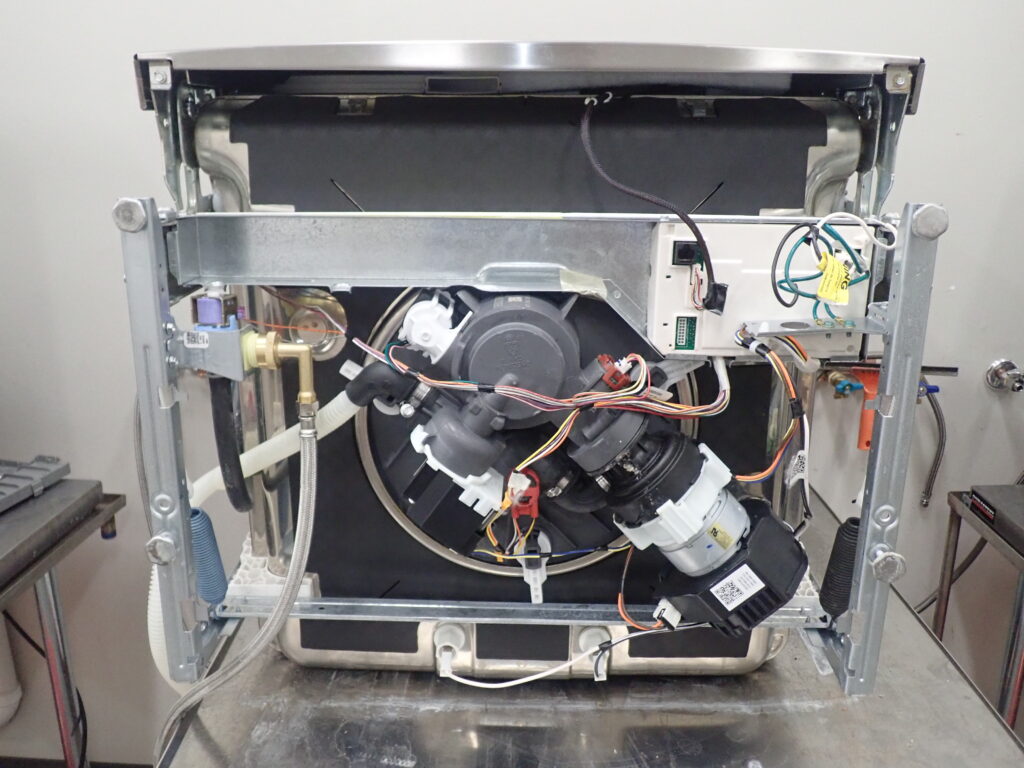
This dishwasher leaked from fractures in the circulation pump’s outlet coupler on the bottom of the dishwasher. A Donan engineer tested it and determined that the cause of the failure was a manufacturer’s defect.
Subrogation Mistakes #2: You Don’t Know Which Appliances or Components Are Likely To Fail
Some components and appliances typically cause more losses than others, and familiarizing yourself with them can help you spot subrogation potential. Water pressure and solenoid valves, fittings, water supply lines, hoses, and seals are all possible sources of water damage. They’re commonly found in washers and dryers; dishwashers; refrigerators; gas-powered and electric water heaters, including tankless water heaters; toilets; and plumbing.
Components that are exposed to water must be designed to withstand frequent exposure to common disinfectants, such as chlorine. However, if improperly designed or selected, materials will degrade and eventually fail, resulting in water leaks or other damages. In this case, normal and expected conditions of their application could result in failure.
Washers
These could fail due to:
- Improperly manufactured or installed valves or pressure switches
- Programming errors
Dishwashers
They may fail due to:
- Premature seal degradation
- Improper seal assemblies, resulting in premature wear
- Garter springs installed in such a way that they come in contact with wash water
These are just two appliances you should be familiar with to recognize subrogation potential.
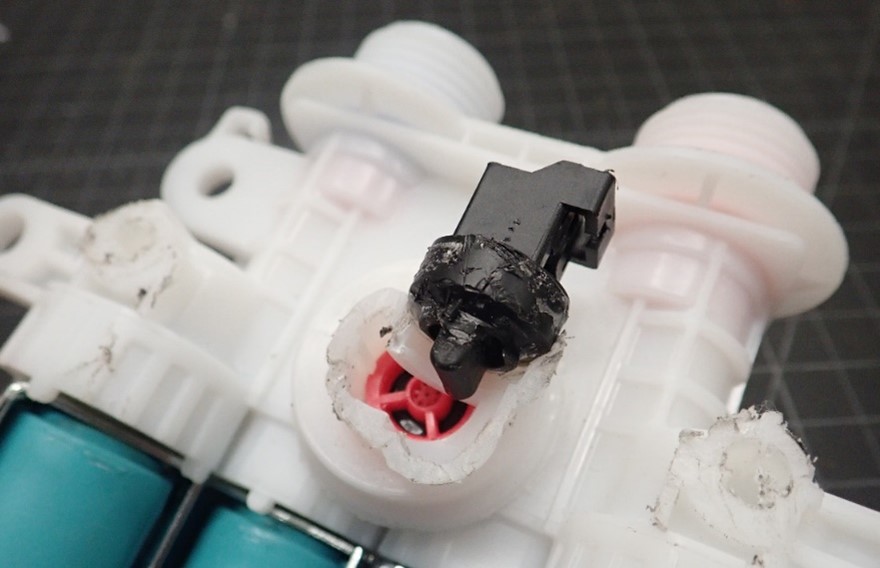
Solenoid valves control the amount of water going in and out of an appliance. A Donan Component Testing Lab (CTL) engineer determined that this solenoid valve leaked due to a molding error that left a hole, allowing it to leak.
Subrogation Mistake #3: You Don’t Communicate With Your Policyholders About Subrogation
The policyholder is a key figure in the subrogation process, since they may still have the appliance or component that failed, leading to the loss. When you choose a component testing partner, the insured will often have to participate in evidence collection, ensure that all relevant equipment is included with the evidence, and preserve the evidence’s condition.
This handoff may be smoother if the policyholder knows how subrogation works and how it may benefit them. These benefits may depend on state laws or the policy in question, so this information should come from the carrier. Taking the time to communicate with your policyholder may prevent misunderstandings, delays, or loss of subrogation opportunities.
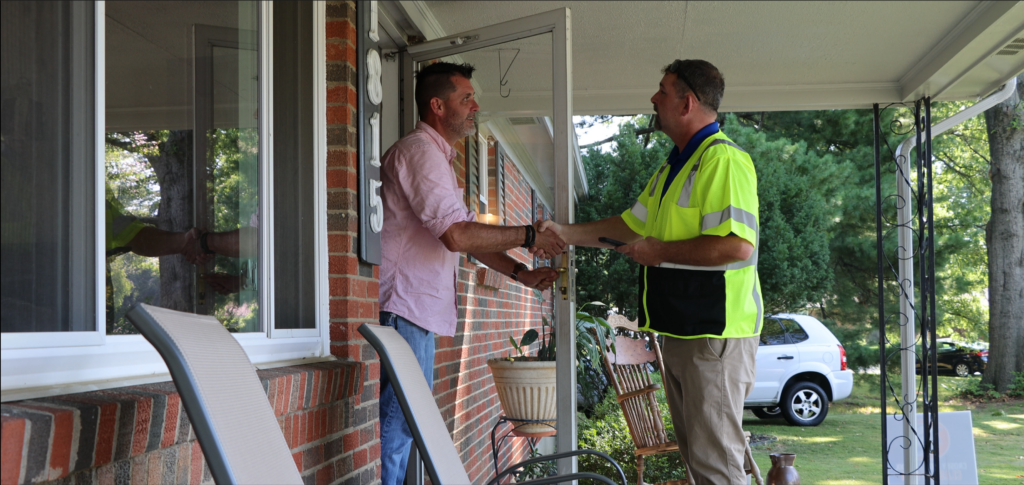
Clear communication about the benefits of subrogation can make evidence collection a more productive process. Donan’s Loss Logistics team works directly with policyholders and carriers to ensure evidence is collected, packaged, and transported appropriately.
Subrogation Mistake #4: You Don’t Prevent Evidence Spoliation
All successful subrogation relies on evidence supporting that a third party was partly, or primarily, responsible for a loss. To support the subrogation effort, evidence needs to be preserved in the condition that it was in at the time of failure.
Additionally, documentation must be recorded and preserved via an accurate chain of custody. The more people who have access or control over a component or appliance, the more opportunities exist for the evidence to be damaged or spoiled in some way. Providing a clearly documented chain of custody is key in eliminating other possible sources of damage.
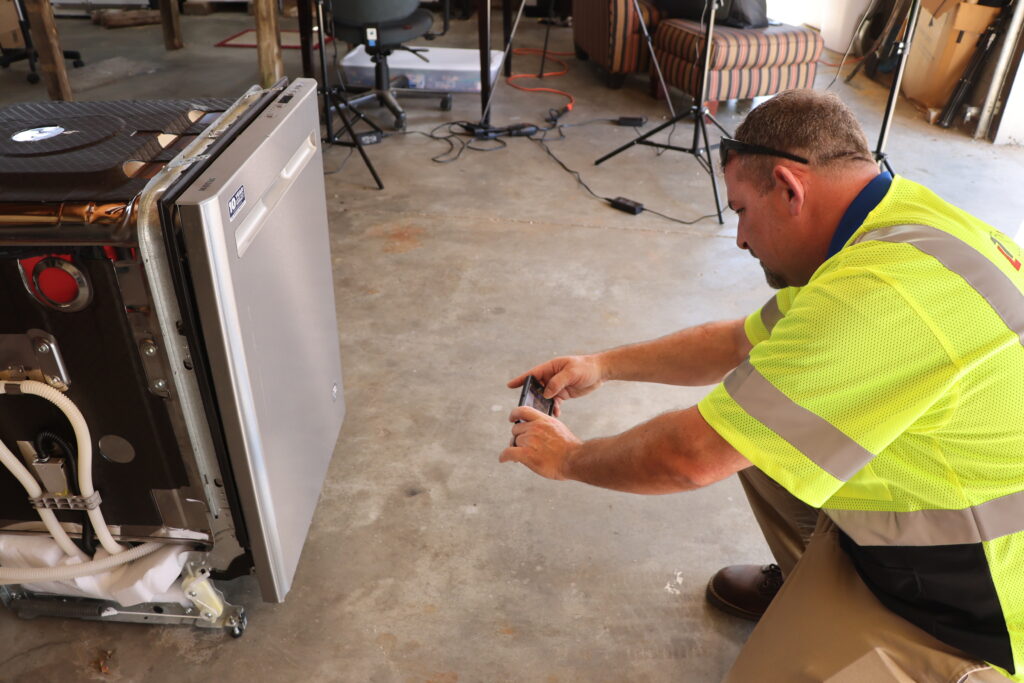
Donan’s Loss Logistics and Component Testing Lab (CTL) teams document and photograph the evidence they collect and test throughout the process to guarantee an unbroken chain of custody throughout the subrogation cycle.
Subrogation Mistake #5: You Wait Too Long To Start Subrogation on a Claim
This is the most damaging mistake a subrogation claims manager can make. It pays off to start the subrogation process as soon as you suspect that a claim has the potential for successful subrogation. Each state has statute of repose laws for product liability that may limit the amount of time an insurance carrier has to bring suit in a subrogation case.
This time limit may be triggered by the loss itself, the date the product was first used, or the date of sale. It may also be based around the expected useful life of the product.
The faster you apply for subrogation and start the process, the better. It’s especially important to secure the evidence as quickly as possible and to make sure it changes as few hands as possible.

Due to statute of repose laws, carriers that wait to subrogate may run out of time.
Subrogation is much more likely to be successful if you:
- Understand the goals you should have for a subrogation report
- Know which appliances and components are most likely to fail
- Communicate about the possible outcomes with your policyholders
- Make sure the evidence is properly documented every step of the way
- Subrogate as soon as possible
It’s impossible to avoid some of the pitfalls we’ve discussed on your own. The right subrogation partner can help you through the process.
Donan’s Component Testing Lab (CTL) uses engineering principles to answer tough product failure questions with sound testing methods, thorough reports, and expert testimony. Our CTL and Loss Logistics teams coordinate with policyholders to collect evidence, customize its packaging, document its condition throughout the process, and store it in a secure, climate-controlled location – providing an unbroken chain of custody.
Submit an assignment to Donan’s Component Testing Lab to find out how we can help you subrogate successfully.

Don’t miss insurance-focused resources and webinars about property, perils, and trends impacting claims nationwide by signing up for The Savvy Adjuster Newsletter.

Be sure to also tune in to The Savvy Adjuster Podcast to hear more from the experts themselves.
Alpine Intel’s content is meant to inform and educate readers using general terms and descriptions. They do not replace expert evaluations that determine facts and details related to each unique claim.
Related Resources

Understanding Solenoid Valves and Leaks Guide
Solenoid valves are vital components that regulate water use in common household appliances like refrigerators, dishwashers, and washing machines.
Five Ways To Streamline the Subrogation Process
Successful subrogation ensures you recover the costs of settling the claim while making the insured whole. It seems like a win-win situation. So why is it an underused option when it comes to product failures?
Common Toilet and Bathroom Plumbing Failures
Toilet and plumbing failures can lead to structural water damage. Get details about the causes, indicators, and consequences of two common failures to bathroom fixtures and how an expert inspection can help you identify subrogation opportunities.