
5 Questions to Ask About Sump Pump Failures

One out of every 60 homeowners in the United States filed a claim for water damage or freezing between 2018 and 2022, according to the most recent data reported by the Insurance Information Institute. Sump pumps are small but vital components in the fight against water damage, often indispensable in homes vulnerable to flooding and water intrusion. When one fails to operate as intended, the damage can spread well beyond the pump itself, leading to a claim that requires more than one expert’s assessment. Adjusters handling claims that include sump pumps should answer these five questions to reach an accurate and informed settlement decision and a lower risk of claims leakage.

Sump pump failures can be costly and lead to future claims if all damages are not addressed, which is why getting objective answers about the cause, scope, and next steps is key to resolving these claims.
Is there documentation about the sump pump or the loss circumstances?
Why it’s important: Documentation can help paint a more complete picture of the sump pump’s condition before, during, and after the reported failure. The expert you retain can also find some information via online databases and weather resources to clarify the conditions surrounding the loss.
Helpful records to collect:
- Maintenance and installation, including dates and, if possible, the name of the professional who performed each
- Contractor estimates for repair or replacement, if the pump has been inspected since the failure
- Historical weather events surrounding the date of loss
While they can be helpful, if any of the documents are unavailable, don’t worry! A professional familiar with the equipment will still be able to make a cause of loss determination.
What was the cause of the sump pump failure?
Why it’s important: While objective experts focus on the equipment and its reported failure – not the policy and coverage – their determination can help you ensure that you’re only settling for covered losses. Without an unbiased assessment, adjusters risk unnecessary settlements, or even settling for non-damaged sump pumps. Nearly 40% of sump pumps assessed by StrikeCheck in 2024 were found to be non-damaged at the time of the assessment.
What causes a sump pump to fail may vary between pump types. Some causes of loss, such as the pump running dry, are more common in submersible pumps than pedestal types. Pedestal pumps may be more prone to impact damage, since they are not stored underground.
Frequent causes of loss to sump pumps:
- Premature mechanical failure from high volume
- High voltage surge
- Lack of regular, proper maintenance
- Installation errors, such as the wrong size of pump for the volume
- Debris or other blockages in the discharge line, or blocking the float
- Manufacturer’s defects like using incompatible materials within the pump
The cause of loss is often the central question in a claim, but stopping there could overlook other issues that may accompany a sump pump failure. Thorough adjusters should ask about the scope of the damages, which could be broader than just the pump itself.
What were the consequences of the damage?
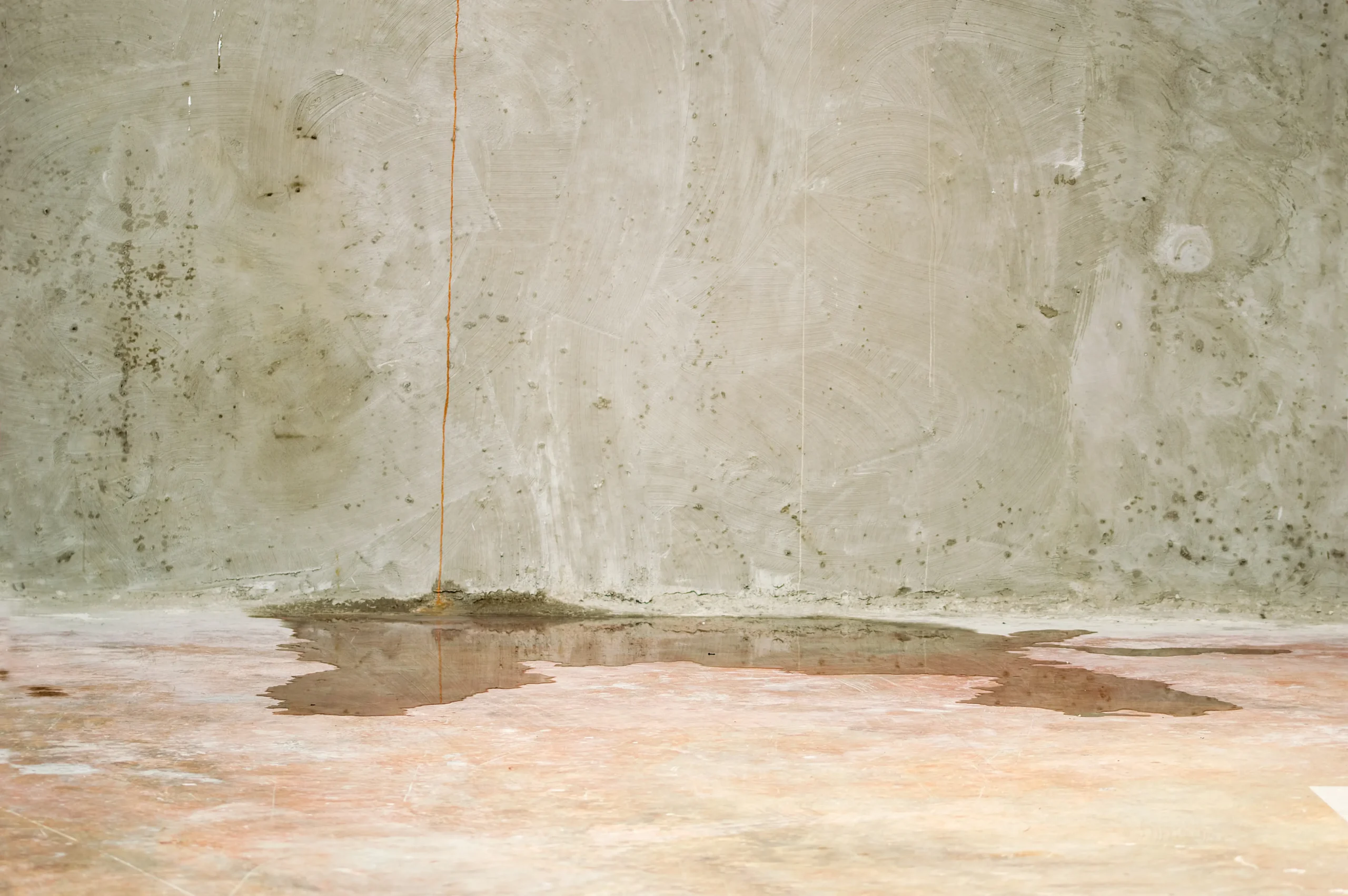
Basement flooding due to sump pump failure may be minor or may submerge structural and electronic items completely. An expert or experts can help identify the scope of damage.
Why it’s important: Answering this question helps both the carrier and the policyholder avoid future damages and claims and increases the likelihood of returning the equipment and all impacted items to pre-loss conditions. Water can be destructive, especially in basements where it’s more likely to go unnoticed. When the sump pump fails to remove it, a skilled technician and their team can note potentially damaged surrounding structural elements and electronics.
What to consider beyond the sump pump:
- Nearby electronics and electrically powered items that are not working as designed
- Surrounding structural elements, particularly wood and metal that can be weakened via prolonged water exposure
- The duration of exposure, as longer durations or incomplete remediation may facilitate microbial growth, a potential property and health hazard
Once the full scope of loss has been determined, the expert or experts can answer another question for the adjuster, one that is crucial for taking the correct next steps.
What are the expert’s recommendations?
Why it’s important: While settling for a replacement may seem like the easy resolution for a damaged sump pump and any other items its failure impacted, it may not be the right one. To avoid claims leakage, there are still several things to consider, which is why an objective expert’s input about each claim is so important to an accurate settlement.
Factors influencing the next steps:
- If the sump pump and other elements can be repaired to restore them to pre-loss condition
- Whether possible repairs are more economical than replacements
- If existing contractors’ estimates are based on Like Kind and Quality equipment
- If contractor estimates are priced at market value for the loss location
Even after you make your settlement decision based on the expert’s findings and objective recommendations, it’s important to know that you may still have an opportunity to recover settlement costs for your carrier by answering a final question.
Is there subrogation potential?
Why it’s important: Often overlooked, successful subrogation can mean recovering losses from a responsible party, such as an installer or manufacturer. Not all failed sump pumps will have subrogation potential, but knowing about the subrogation process and some details about the pump can help you identify opportunities.
A few factors in subrogation:
- The pump’s age can dictate if it falls under the statute of repose for loss state
- Its manufacturer and installer can help identify potential recalls or known failure trends
- Documentation and preservation of the sump pump and any other items included in the claim
- A single-line chain of custody throughout the claim to reduce the risk of loss or additional damage
This is not a comprehensive list of factors that contribute to subrogation potential, and additional testing may be needed to help you make a decision about whether to pursue subrogation.
When sump pumps fail, Alpine Intel’s suite of services can provide an all-in-one solution with StrikeCheck’s onsite assessments of the pump and any other impacted electronics or electrically powered equipment, Donan Engineering’s structural inspections for affected building components, and Component Testing Laboratories’ shipping and lab investigations to help adjusters identify subrogation potential. Submit an assignment.

Don’t miss insurance-focused resources and webinars about property, perils, and trends impacting claims nationwide by signing up for The Savvy Adjuster Newsletter.

Be sure to also tune in to The Savvy Adjuster Podcast to hear more from the experts themselves.
Alpine Intel’s content is meant to inform and educate readers using general terms and descriptions. They do not replace expert evaluations that determine facts and details related to each unique claim.
Related Resources
5 Questions to Ask Before Settling Electronics Claims
Computers. Televisions. Electrical Panels. Well Pumps. Washing Machines. Any of the electrically powered items that residential and commercial policyholders rely on every day can end up in an insurance claim.
5 Questions to Ask About Flood Claims Guide
Tackle flood claims by asking the right questions. Download this guide for 5 questions that can help you reach fair, accurate settlements.

5 Questions to Ask About Flood Claims Guide
Tackle flood claims by asking the right questions. Download this guide for 5 questions that can help you reach fair, accurate settlements.