
5 Myths About Inland Flooding

Flooding is often thought of as a coastal problem, particularly during hurricane season, but the reality is much more complex. According to the National Oceanic and Atmospheric Administration (NOAA), though 40% of the U.S. population lives in coastal areas, the other 60% are not immune to flood risks. Floods can occur anywhere rain or snow falls, and at any time of year. To accurately settle water damage claims, it’s important to debunk five common myths about inland flooding. Explore its causes, impacts, and why expert assessments are essential.
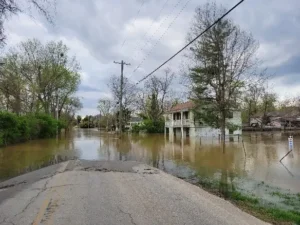
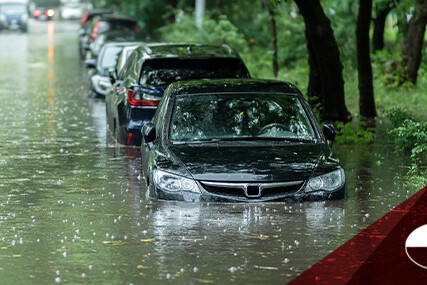
Heavy rainfall in April 2025 brought flooding to much of Western Kentucky, hundreds of miles from the nearest coast.
Myth 1: Most Property Owners Are Not in Flood Zones
The Reality: All properties are categorized as being in a flood zone.
The Federal Emergency Management Agency (FEMA) classifies every property in the U.S. into categories such as low-to-moderate risk, high-risk, high-risk coastal, and undetermined, based on factors like proximity to waterways and elevation. These classifications determine in which areas flood insurance is required based on the risk. High-risk flood zones are not limited to areas near oceans or rivers; even properties far from water sources can be at risk during intense rainfall, snowmelt, or dam breaks.
Evidence of inland flood risks in the United States is staggering. Research by the Congressional Budget Office indicates that 13 million of the 17 million properties at a 1 percent or higher annual risk of flooding are inland. This highlights the importance of recognizing that no property is truly exempt from the dangers of flooding.
Myth 2: Only Properties in High-Risk Zones Are Vulnerable to Flooding
The Reality: Flooding can and does happen in low-to-moderate risk zones.
Nearly 30% of National Flood Insurance Program claims come from properties outside of high-risk zones, according to FEMA. Additionally, one-third of all disaster assistance for flooding is directed toward these areas. It’s a common misconception that lower-risk zones mean negligible flood danger.
A recent example is Hurricane Helene in September 2024. Although it primarily affected landlocked Western North Carolina, the extreme rainfall—12 to 20 inches in some places—caused devastating floods in mountainous regions. Rivers overflowed their banks, inundating properties that were considered at low risk for flooding. Events like this show that unexpected inland floods can cause significant damage, especially since buildings in these areas were not likely to be constructed with flooding in mind.
For insurance providers, quickly responding to these events is critical. Collaborating with expert assessment partners ensures accurate identification of flood causes and damage.
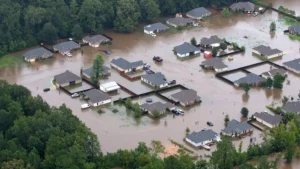
Flooding can occur even in areas determined to be at low risk because of their climate and geographical location—and the properties in these areas are less likely to be built to withstand significant water damage.
Myth 3: Adjusters Can Just Use Weather Data to Determine if Flooding Occurred
The Reality: Weather data is helpful but incomplete.
While weather data is a valuable resource, it doesn’t tell the whole story when it comes to flood damage. Flooding can result from various factors such as:
- Broken dams
- Debris accumulation
- Snowmelt far from the storm’s location
Additionally, weather data cannot account for building-specific factors like structural conditions or materials. Even if data confirms flooding in the area, the impact to different types of structures may vary. The most accurate flood claim settlements rely on combining weather data with on-site inspections by experts who can assess unique variables at each location.
Myth 4: Flooding in the Area Means All Buildings Are Damaged
The Reality: Building structures and materials play a critical role in the scope of flood damage.
Just because an area is flooded doesn’t mean every building within it has sustained flood damage. Whether or not a building is impacted depends on factors such as:
- Foundation Type: Buildings with underground foundations, basements, or crawlspaces are at higher risk.
- Elevation: Lower-lying buildings are more vulnerable to floodwaters.
- Construction Materials: Masonry structures are more flood-resistant compared to wood-framed buildings.
- Pre-Existing Conditions: Homeowners assessing their property after flooding are likely to spot previously unnoticed problems. Some reported damages might be the result of pre-existing conditions.
Even when structural damage is minimal, items stored in basements or crawlspaces, such as HVAC systems or electrical equipment, may still be impacted. Accurate assessments by experts are critical to evaluating flood effects and distinguishing between new and pre-existing damage.
Myth 5: Inland Flooding Only Happens During Strong Hurricane Seasons
The Reality: Climate change is increasing the risk and frequency of inland floods.
Today, several factors contribute to the rising risk of inland flooding year-round:
- Intense Rainfall: Data shows rainfall intensity is increasing, leading to more severe flood events.
- Hardened Drought Soil: Droughts in areas like the Southwest create hardened ground that cannot absorb sudden heavy rain, contributing to runoff and flash floods.
- Early Snowmelt: Warmer temperatures in colder regions cause snowpacks to melt earlier and faster, overwhelming river systems.
These trends are not likely to reverse, underscoring the need for vigilance and preparedness in inland flood-prone areas.
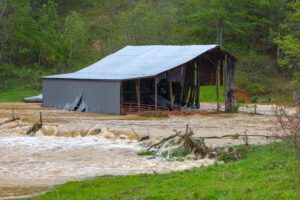
Recent years have seen heightened flood risks in inland areas like Appalachia and Northern New England. This climate trend is projected to continue.
The Importance of Expert Assessments in Flood Claims
The interplay of weather data, building materials, elevation, and other factors means that no two flood events are identical. To help ensure accurate settlement decisions about claims involving inland flooding, submit an assignment to Donan Engineering, a part of Alpine Intel. Combining decades of forensic expertise with cutting-edge data, Donan provides accurate, evidence-based evaluations for commercial and residential properties.

Don’t miss insurance-focused resources and webinars about property, perils, and trends impacting claims nationwide by signing up for The Savvy Adjuster Newsletter.

Be sure to also tune in to The Savvy Adjuster Podcast to hear more from the experts themselves.
Alpine Intel’s content is meant to inform and educate readers using general terms and descriptions. They do not replace expert evaluations that determine facts and details related to each unique claim.
Related Resources

Inland Flooding Case Study
Find out how Donan’s engineer determined a house was damaged by river waters rising – and which damages were unrelated to the flood – in this case study.
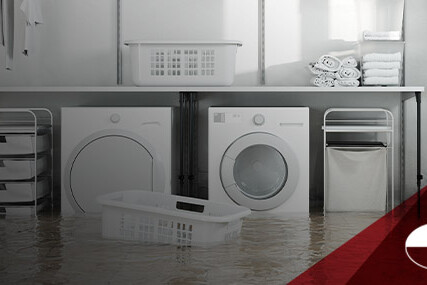
Causes of Flooding During Winter Months Guide
Learn the leading causes of winter flooding and what evidence experts use to distinguish between flooding and other water damage.
5 Questions to Ask About Flood Claims Guide
Tackle flood claims by asking the right questions. Download this guide for 5 questions that can help you reach fair, accurate settlements.