5 Causes of Commercial Equipment Failure and What To Do About Them

Equipment failure can disrupt your commercial insureds’ operations, leading to expensive downtime and even the risk of data loss.
That’s why when a claim involves business-critical equipment, it’s important to show your understanding by responding quickly and verifying the cause of loss so you can address the root of the problem. Be more familiar with the five most common causes of equipment failures and strategies for resolving these claims accurately to stay prepared. 
Understanding the cause of loss is an essential first step in resolving complex claims involving equipment failure.
- Improper Operation
Misuse of business-critical equipment is a common cause of premature failure. There are many different reasons misuse could occur, including unclear operating instructions, insufficient training programs, or staffing shortages that leave untrained personnel to handle complex or sensitive machinery. These gaps in preparation can lead to unintended damage that compounds over time.
Overloading equipment or pushing it beyond its design limits to boost productivity can also accelerate wear and tear, causing breakdowns. For instance, overburdening a conveyor belt or running it at excessive speeds for prolonged periods can reduce its lifespan.
- Lack of Preventative Maintenance
Failing to perform regular maintenance on commercial equipment can turn minor issues into major failures. Some manufacturing facilities operate on a run-to-failure model, addressing repairs only after equipment breaks down. While this approach may seem cost-effective initially, it often results in extended downtime and reduced productivity. Equipment operating below peak efficiency can slow or halt production, leading to stalled sales and missed business opportunities.
- Environmental Stresses
Business-critical equipment isn’t immune to weather-related threats, such a lightning strikes, power surges, flooding and water, or wind.
For instance, a hospital or other medical facility facing a power outage caused by severe weather could see life-saving devices such as ventilators and imaging machines compromised. Flooding could present even more challenges, as water exposure can lead electrical equipment to short circuit or sustain other damages. Contaminated floodwaters and debris can further jeopardize functionality and sanitation, making proper patient care difficult or impossible and leading to complex claims that require swift action.

Water exposure can compromise equipment sterility, rendering it unsafe for clinical use, even if there are no visible signs of damage.
Other failures may be reported as weather-related perils but are actually a product of accelerated wear and tear. Temperature spikes can cause equipment to work harder than normal and potentially overheat, leading to premature losses.
- Outdated Technology
Relying on obsolete equipment can lead to inefficiencies, frequent malfunctions, or even failures. One common example is servers that rely on outdated operating systems and hardware. When businesses fail to upgrade this critical infrastructure, they risk system crashes, data loss, and operational disruptions. If server components are no longer manufactured, even a small hardware failure can render the system inoperable for extended periods. Older operating systems also often lack security updates, making servers more vulnerable to cyberattacks.
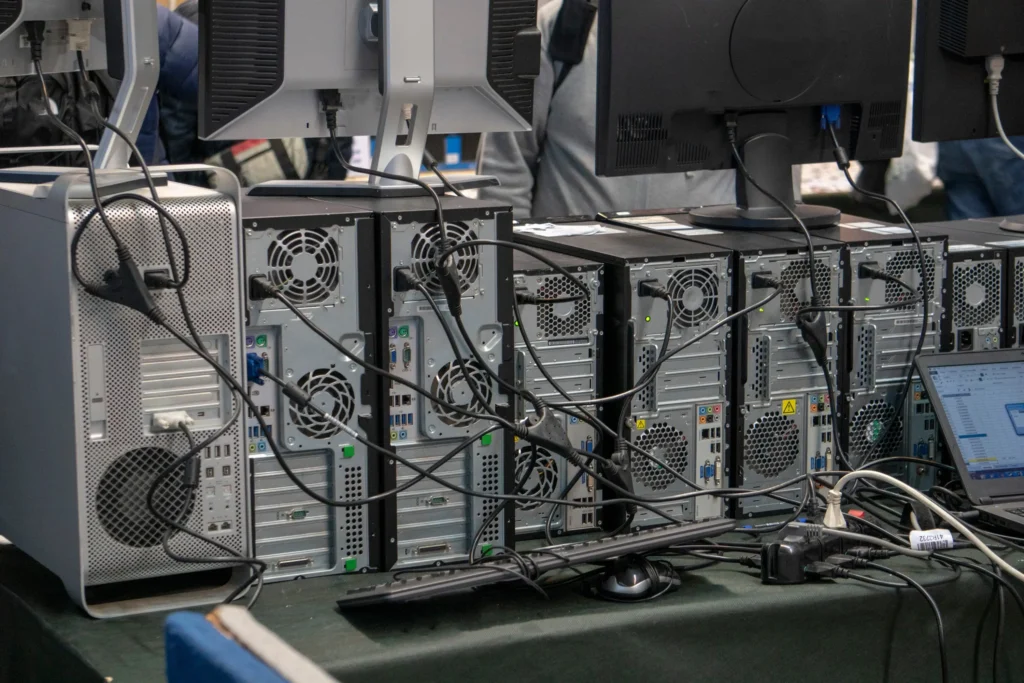
Older electrically powered equipment may have outdated programs or components that could cause avoidable failures had they been updated.
- Wear and Tear
Even the most durable business-critical equipment isn’t designed to last indefinitely, meaning some system failures are simply a result of normal wear and tear. This gradual deterioration occurs as equipment ages or based on its use. However, as mentioned, certain factors can accelerate this process, such as insufficient maintenance, overworking systems, or exposure to extreme conditions that place additional strain on equipment. Still, the underlying cause of loss would be wear and tear.
To complicate matters, damage caused by wear and tear sometimes goes undetected by commercial policyholders until after sudden events like severe storms, which can lead to confusion and inaccurate reported causes of loss.
What You Can Do To Address Commercial Equipment Losses
Before you can properly resolve business-critical equipment claims, you’ll need to verify the cause and scope of the loss. Because some of the common modes of failure discussed here may be linked to wear and tear, determining whether the reported cause of the loss is the right one is critical for an accurate claim resolution.
The next step involves determining whether the equipment can be repaired or if a full replacement is required to restore the equipment to pre-loss condition. Not all equipment failures will require a full replacement, so it’s important to evaluate repairability first. In some cases, restoration may be possible, using approved techniques in a sterile setting. Any replacements that are necessary should be market value and Like Kind and Quality to the original equipment.
Following each of these steps for complex business-critical equipment requires a high level of expertise and often an onsite inspection. Turning to an assessment partner like TechLoss Consulting & Restoration, part of Alpine Intel’s suite of services, makes getting straightforward solutions for these technical claims easy. For unbiased reports you can rely on to make confident claim decisions, submit an assignment.

Don’t miss insurance-focused resources and webinars about property, perils, and trends impacting claims nationwide by signing up for The Savvy Adjuster Newsletter.

Be sure to also tune in to The Savvy Adjuster Podcast to hear more from the experts themselves.
Alpine Intel’s content is meant to inform and educate readers using general terms and descriptions. They do not replace expert evaluations that determine facts and details related to each unique claim.
Related Resources
Recategorized Causes of Loss in Electrical Equipment Claims
Discover how expert assessments can uncover the true causes of loss in electrical equipment claims, ensuring accurate settlements and preventing unnecessary expenses.

Commercial Electronic Equipment Claims Guide
Which electronically powered item is the most important? To commercial policyholders, all impact how their business runs, from office networking equipment to retail point of sale components.

Causes of Loss in Solar Power Equipment Claims Guide
Solar power systems are frequently included in insurance claims for damages – particularly after a reported lightning strike.