
5 Items Common in Freeze Damage Claims
Heating equipment undergoes unusual stress during the winter months, particularly when temperatures fluctuate. This stress may result in freeze damage, including cracking and fuel clogging. Some HVAC components are more likely to be included in claims related to cold weather than others, and adjusters should be familiar with the conditions that lead to freeze damage.
We’ve identified five items commonly found in claims related to freezing conditions: copper and PEX piping, radiators, fuel lines, hydronic air handlers, and boiler heat exchangers. Here’s why they may be susceptible to losses due to dropping temperatures.
1. Copper and PEX Piping
The sudden changes in temperature during the winter months can cause a home’s piping to expand and contract. The additional stress may trigger pipes to burst, which could result in water damage to HVAC equipment connected to or located near the pipes. Fortunately, copper and PEX piping is usually easy to repair. A comprehensive assessment could determine how much of the piping is affected by freeze damage and needs to be repaired.
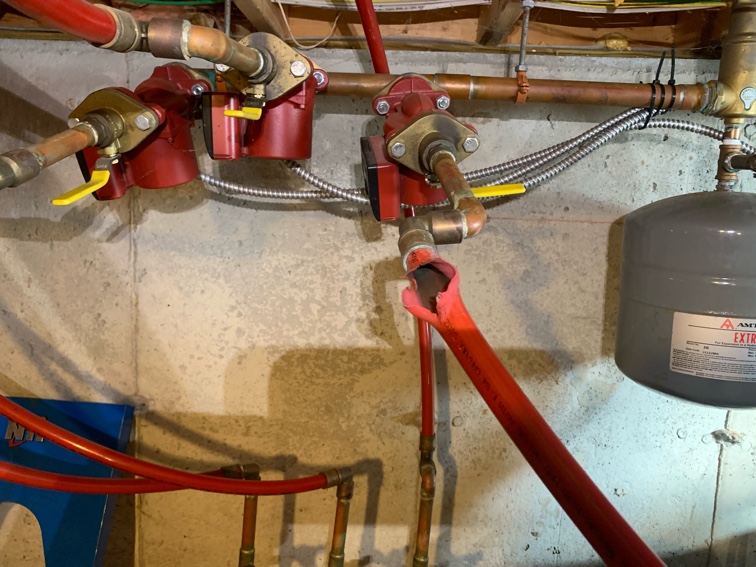
Freezing temperatures caused this boiler pipe to burst, allowing water to flow out of the crack and damage other HVAC equipment nearby.
2. Radiators
Due to their proximity to exterior walls and windows, radiators frequently encounter outdoor temperatures. Cast iron is particularly susceptible to the stress caused by freezing temperatures and is more likely to crack than less brittle materials. Cracked cast iron radiators will likely need to be replaced. The pipes in baseboard radiators can also freeze, but they may be repairable.
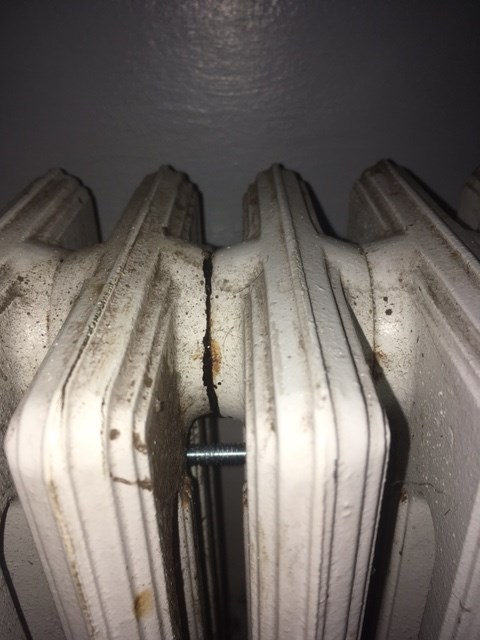
This radiator has cracked due to freeze damage and will need to be replaced.
3. Fuel Lines
Low temperatures can cause the oil in an oil-burning furnace or boiler to gel and clog the fuel lines. This obstruction could cause an incomplete combustion and prevent proper operation of the system. However, it’s also possible that oil furnace clogs are the result of lack of maintenance. An expert should be consulted to verify the cause of loss.
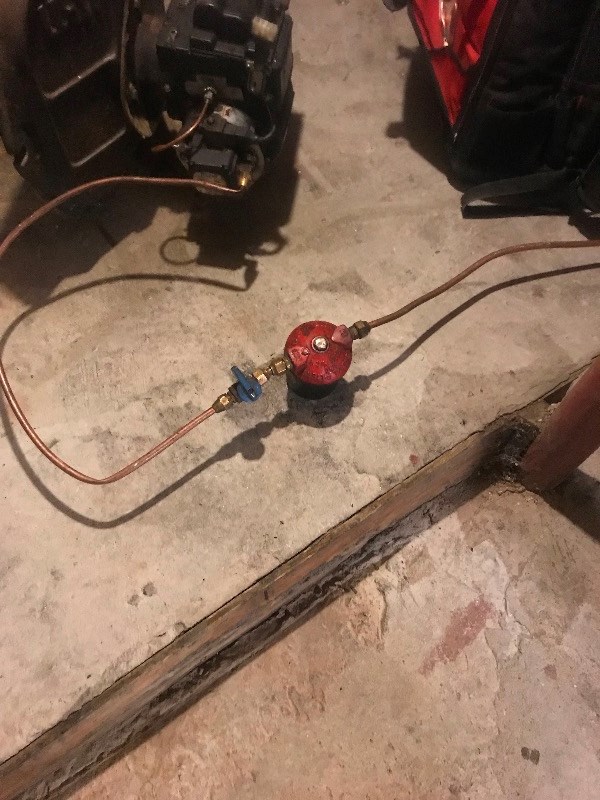
The oil in fuel lines and filters may clog during cold weather.
4. Hydronic Air Handlers
Hydronic air handlers rely on hot water from boilers or water heaters to warm the air. However, the hot water coils in these systems are vulnerable to freezing and bursting during winter, which can result in significant water damage.
This failure is particularly common in commercial buildings where air handlers are installed in drop ceilings. But unconditioned areas in residential homes, such as attics or crawlspaces, also pose the risk of air handler freeze failures. No matter where they occur, any suspected freeze damage to this equipment should be verifed by an unbiased expert.
5. Heat Exchangers
A boiler may cease operation for a variety of reasons, including a power surge, lack of fuel, or an issue with the thermostat. As the ambient temperature drops, water within the heat exchanger can freeze and cause the heat exchanger to crack.
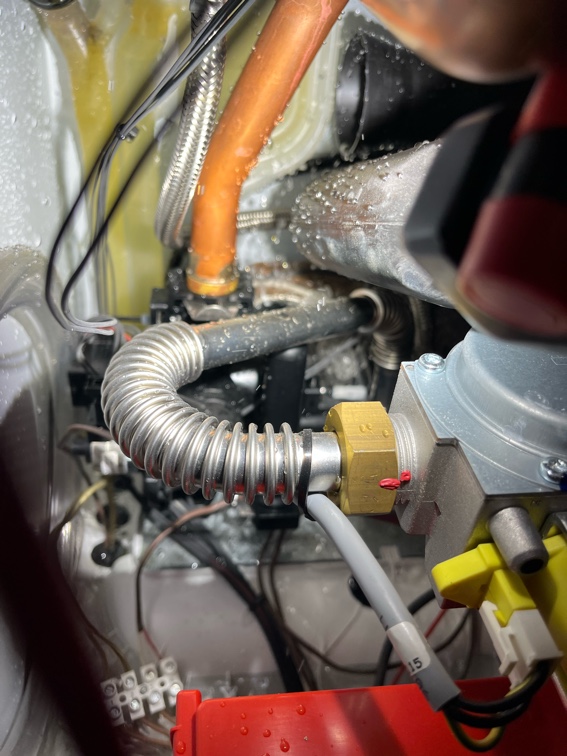
Leaking water in this boiler froze and damaged the heat exchanger.
However, heat exchanger failures may be caused by wear and tear. Adjusters should have boilers properly assessed before settling claims.
HVACi helps adjusters by assessing HVAC and refrigeration equipment included in claims on behalf of insurance carriers. Our nationwide network of licensed and vetted experts provides objective, actionable recommendations when adjusters need them most.
Have a claim with HVAC or refrigeration equipment where freezing conditions are the suspected cause of loss? Submit an assignment to HVACi. We’ll complete a comprehensive on-site assessment to determine the actual cause of loss and scope of damage and recommend repairs or replacements to return the equipment to pre-loss condition.

Don’t miss insurance-focused resources and webinars about property, perils, and trends impacting claims nationwide by signing up for The Savvy Adjuster Newsletter.

Be sure to also tune in to The Savvy Adjuster Podcast to hear more from the experts themselves.
Alpine Intel’s content is meant to inform and educate readers using general terms and descriptions. They do not replace expert evaluations that determine facts and details related to each unique claim.
Related Resources
Water Damage to Electrically Powered Items
1 in 50 homes files a water damage claim each year, and 37% of all homeowners claim to have suffered water damage.

Understanding Water Damage in HVAC System Claims Guide
Rains, flooding, and leaks can all cause water to get into places it shouldn’t be – including your policyholders’ HVAC systems.
3 Data Points for Evaluating Freeze Damage Claims Guide
Learn how three data points can help resolve freeze-related claims when evaluated alongside on-site inspection results.