
3 Ways Adjusters Can Prepare for CAT Claims

Catastrophic weather events are on the rise, and so are their costs. Insured losses due to natural disasters cost nearly $113 billion in 2024, according to the Insurance Information Institute, and while there have been some fluctuations, there has been a steep upward trend since 2015, which amounted to only $30.7 billion in 2024 dollars. These events can trigger a sudden deluge of claims that can overwhelm adjusters—and carriers—who aren’t prepared. Much of the work behind an efficient and timely CAT response comes before precipitating events. Here are a few tips to help you prepare for the unpredictable.
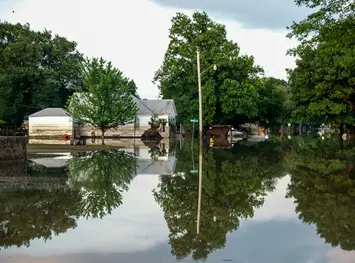
Catastrophic events can lead to hundreds or even thousands of claims in the affected area, but preparation can help you build an efficient and effective response.
Tip #1: Know Your In-House CAT Claim Resources
The first thing to do is familiarize yourself with your company’s CAT protocol. This can save you from shopping around for services and answers readily available in-house. If robust processes are already in place, you don’t need to reinvent the wheel.
You might even check out whether there are CAT-related courses to help you better prepare your response. Be sure you know who to reach out to when a trackable event threatens an area where you have multiple policies and how to make sure you have access to the resources you’ll need.
A defined plan of action reduces carrier response time and helps adjusters prioritize in the field when they need to scale up quickly, which benefits the company, the adjuster, and the policyholders. Smaller insurers or companies less likely to face these events may not have resources in place, but even small teams can work together to develop a plan that meets policyholders’ needs without exceeding the company’s capabilities.
Regardless of your carrier’s size, make sure you understand your part in these processes, even if you feel a CAT event is unlikely. You probably don’t have everything you need for a comprehensive CAT response in-house, so building your plan will require knowing how to find reliable vendors.
Tip #2: Build Your Partnerships
It may be tempting to skip an expert assessment in favor of a faster resolution when you’re handling so many claims. However, you risk an inaccurate conclusion if you decide to forego an inspection before asking yourself some important questions. Many homeowners attribute long-term damage that they first notice after the event to the storm itself, so there may be several causes of loss on a single property. You may also see various property items included in your CAT claims, requiring experts familiar with different components and equipment. For example, a hurricane claim may include structural elements, electrical items, HVAC equipment, and more.
Just as you should be familiar with your in-house processes, you should know your vendor options and how they’re prepared to ramp up before a CAT event. Here are a few indicators that your assessment partner is ready to keep up with high demand:
- They have their own CAT plan in place and will work with yours to maintain accurate conclusions and a good cycle time.
- They communicate regularly and clearly with you, and with insured representatives and other assessment professionals as needed, to keep the process flowing smoothly.
- Multiple experts are licensed in states most susceptible to tornadoes, hurricanes, droughts, and other natural disasters.
- They have a good reputation within the industry and a deep understanding of various types of property damage.
- They can offer repair vs. replacement recommendations that facilitate your settlement decision and a return to pre-loss condition for the policyholder’s property.
- Their fees are fair, clearly communicated, and within your budget.
Tip #3: Develop and Maintain Policyholder Relationships
The relationship between policyholders and carriers is seated in trust, so you already know that it’s crucial to maintain a good rapport throughout the claims process. When it comes to claims surrounding CAT events, this trust is even more important. Property owners are facing a wide range of damage, from minor structural issues to complete losses, and they all want claims settled quickly and accurately so they can take steps toward normalcy.
Retaining customer trust in highly stressful times takes preparation. Think about how you communicate with your policyholders and the customer service you provide. You’re likely meeting them as they manage one of the worst periods of their lives, but you can bolster their confidence in you and the carrier if you come into the situation with an arsenal of resources already arranged.
Ongoing communication bolsters your relationship and your reputation, which means they’re more likely to trust that your settlement decision is fair – even if it’s not exactly what they hoped for. They’re also more likely to trust vendors acting on your behalf who are likely to be needed following CAT events.
Donan’s CAT response team stresses additional licensure in states most likely to experience natural CAT events. As part of Alpine Intel’s suite of services, the team is qualified to provide assessment support for claims that include residential, commercial, and industrial property; to monitor approaching weather and analyze data to reallocate personnel and equipment to CAT-affected areas without an interruption to service; and to provide peer-reviewed reports with clear cause of loss determinations. In addition, immediately preceding, during, and following CAT events, designated sales representatives are constantly in touch to customize a response that aligns with various carriers’ protocol.
To find out how Alpine Intel’s suite of services can fit into your CAT processes, contact us or submit an assignment.

Don’t miss insurance-focused resources and webinars about property, perils, and trends impacting claims nationwide by signing up for The Savvy Adjuster Newsletter.

Be sure to also tune in to The Savvy Adjuster Podcast to hear more from the experts themselves.
Alpine Intel’s content is meant to inform and educate readers using general terms and descriptions. They do not replace expert evaluations that determine facts and details related to each unique claim.
Related Resources
Adjuster’s Guide to Lightning Claims
Explore this interactive guide to learn about different types of lightning and what a Lightning Verification Report can tell you about what happened at a loss location during a storm.
Subrogation Basics for Claims Adjusters Guide
The subrogation process can be challenging for adjusters due to legal complexities and the importance of preserving solid evidence. Gain insights into the fundamentals of subrogation with our guide.
Refrigerator Claims Guide
Factors like the broad range of market prices and the complexity of refrigerator components can make it difficult to determine the best next steps when settling claims.