Stay up to date on the latest Alpine Intel news and industry insights.
Harnessing Technology Can Enhance Property Assessments
The insurance sector, like most industries, has embraced the shift toward automation and technology usage that has changed the way companies do business and offered many advantages. However, conclusions from people who have years of specialized training to evaluate structures and equipment shouldn’t be replaced by artificial intelligence. Instead, innovations, including weather data, 3D scans, and drones, should be used in conjunction with expert analysis to enhance property assessments and provide carriers with even more conclusive data and visibility into claimed losses.
Confirm or Exclude Lightning From The Start of the Assessment Process
By including weather data in the assessment process, carriers can know early on if lightning is a possible cause of loss and then decide the best next steps. More than one-third of lightning verification reports determined lightning wasn’t present at the time of loss, likely preventing adjusters from settling claims for an incorrect peril.
Weather data technology gathers information related to the loss time and location within a 7-day search period and a 5-mile radius. It can pinpoint the number of flashes and strokes and their intensity. This enables adjusters to determine if it’s possible that lightning was a factor in the property loss. If it could be, property experts can verify it was the actual cause of loss, and if lightning couldn’t be, they would test to determine the actual peril.
According to the CCG IQ 2021 Annual Report, lightning was the reported cause of loss for 37% of the electronic equipment adjusters assigned to StrikeCheck. However, thanks to weather data and comprehensive testing, electronics experts determined lightning was the actual cause of loss for less than 1%.
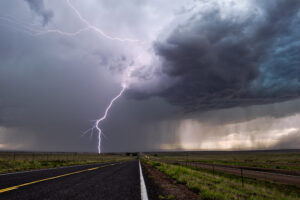
Lightning verification reports use accurate weather data to help adjusters determine if a property may have been struck by lightning.
Weather data can also be used for other types of assignments, such as fire investigations, when certified investigators need to consult lightning reports for origin and cause determinations.
Virtually Walk Through a Fire Scene, Preserve Evidence
In addition to incorporating weather data into the assessment process, carriers can benefit from leveraging technology and certified experts in other ways. Now insurance professionals can walk through a loss scene virtually.
For example, adjusters often must rely on images and reports provided by field adjusters and certified fire investigators, rather than visiting a scene themselves. While images are valuable, technology has enabled adjusters to “walk through” a fire scene right from their desk using interactive 3D scans.
Along with detailed views of each room in a structure, 3D scans provide an accurate floorplan, zooming capabilities, and measurement tools. Carriers can use these scans while reviewing a fire investigator’s report to examine fire scenes with as much detail as if they were observing them in person.

Fire investigators and adjusters use 3D imaging to study fire scenes in detail.
Examine Properties From All Viewpoints
Technology used during the damage assessment process provides additional insights about a property, both inside it and above it.
Drones can take accurate measurements, including pitch, eave heights, and roof area, during roof inspections. Experts can use these when documenting property details or insurance professionals can maintain the data in their records. However, professional engineers and licensed roofing inspectors have found the greatest value of drones comes from aerial shots when evaluating roof damage type and scope. This aerial imagery provides a complete picture of a roof and its condition. Insurance professionals can use expert conclusions and aerial imagery to make informed decisions about roofing claims.
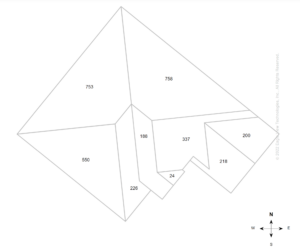
Adjusters receive insights into roof claims through aerial imagery.
Keep Track of the Assignment Process
Weather data, 3D imagery, and drones can enhance the assessment process by providing more complete and accurate data that insurance carriers can use to make a claims decision. However, technology has also made the overall assessment process easier and more transparent.
Insurance professionals typically handle many projects at a time and need an efficient and easy method to input claims data. Many insurance carriers have partnerships with workflow integrations and use vendors that allow them to submit assignments through workflows they’re already using to reduce time.
Customer portals, and customer assignment landing pages, can also make sending information faster. Data can be securely submitted and accessed by those who need it regardless of location, and portals can show where a claim is in the process without anyone having to wait for a response.

Among the characteristics insurance professionals should look for when choosing assessment vendors is an innovative way to quickly and securely submit assignments.
Technology and expert knowledge should work together to provide carriers the accurate information they need to resolve claims with confidence. That’s why so many turn to Alpine Intel’s suite of services. Our name, Alpine Intel, represents our laser focus on technology that enables us to lead the industry in efficiency and accuracy, all while maintaining an exceptional customer experience.
When paired with the expertise of Alpine Intel’s nationwide network of licensed and certified professionals, the technology we use helps our clients get the answers they need quickly and conveniently. Submit an assignment to see how our technology-focused approach can work for you.