
How To Handle Lightning and Surge Claims Without Guesswork Webinar Recording

Lightning is one of the most frequently reported causes of loss listed on HVAC and electronics claims – policyholders reported it for almost 20% of HVAC systems and nearly 40% of electronics in claims that StrikeCheck and HVACi handled last year. Advancement in testing tools and verification reports have made it easier for adjusters to confirm or exclude these perils before settling a claim unnecessarily.
Topics include:
- Lightning and surge claims significance
- Lightning and surge fundamentals
- Residential systems susceptible to lightning and surge impacts
- How lightning and surges have appeared in claims
Watch our How to Handle Lightning and Surge Claims Without Guesswork Webinar recording by filling out the form provided.
Important: Pre-recorded webinars do not qualify for CE credit.

Don’t miss insurance-focused resources and webinars about property, perils, and trends impacting claims nationwide by signing up for The Savvy Adjuster Newsletter.

Be sure to also tune in to The Savvy Adjuster Podcast to hear more from the experts themselves.
Alpine Intel’s content is meant to inform and educate readers using general terms and descriptions. They do not replace expert evaluations that determine facts and details related to each unique claim.
Related Resources
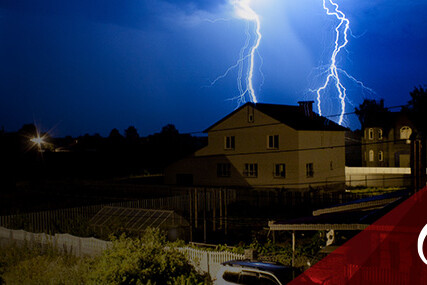
An Evaluation of Surge and Lightning Damage to Electronics and Specialty Claims eBook
Gain insight on how often lightning or surge is the cause of loss, why and where lightning and high voltage surges occur, and which items are most affected by these perils.
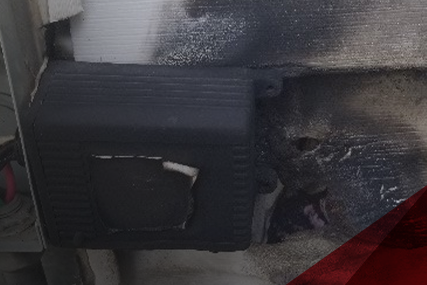
Lightning, High Voltage Surge, or Wear and Tear? Be Able To Tell the Difference When Handling HVAC System Claims
Adjusters shouldn’t assume lightning is the cause of loss based on a policyholder’s contractor and should rely on comprehensive assessment results to decipher which peril is related to the HVAC claim they are working on.
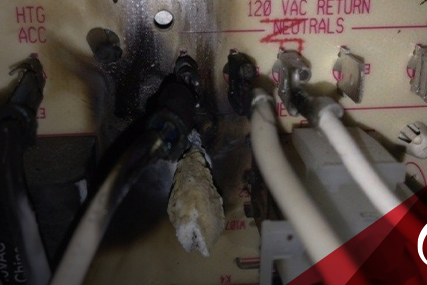
Voltage Irregularities Could Strike Out Lightning Claims
Voltage irregularities happen more often than people would imagine, and with them come some big risks of repercussions to electrical equipment people frequently use.