
4 Elements of a Residential Structural Engineering Report

Key Takeaways
In this article, you’ll learn how:
- A structural engineering report can help homeowners and insurance professionals learn what caused a reported loss
- Objective scene documentation and background information add context to the loss
- Reputable weather data helps verify what reportedly caused structural damage
Reported damage to homes, sheds, or other residential structures may be incorrectly attributed to a recent weather event or construction defects. The cause could also be unknown. Insurance professionals and property owners who obtain an objective forensic engineering assessment can confidently make decisions or rely on the expert opinion in the report knowing it’s based on facts.
Donan’s licensed Professional Engineers perform on-site and desktop evaluations, which are all peer-reviewed to ensure accuracy. With measures in place, these thorough and unbiased structural engineering reports can be referred to throughout the claims process, during litigation proceedings, or whenever needed.
The four elements below show how engineers gather and verify data and other information, such as weather reports, to form opinions in reports that provide homeowners, as well as insurance and legal professionals, with the accurate information they need.
1. Objective Scene Documentation
Regardless of where reported damage occurred, licensed Professional Engineers look at the full structure and surrounding property. Expanding the area of their evaluation beyond the point of impact or areas with the most visible damage allows them to take all evidence into account.
It’s also an opportunity to document any collateral damage and assess whether the structure’s condition prior to the reported loss event may have impacted the damage scope.
Professional Engineers will take photographs or review submitted images to support their written observations.
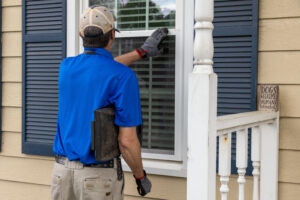
Professional Engineers evaluate entire buildings when assessing reported damage. This helps ensure they have the proper context to detail cause of loss in subsequent structural engineering reports.
2. Background Interviews
Speaking to homeowners or others who have knowledge of the residential property or its loss can add context within a structural engineering report.
For instance, the individuals may have property ownership history, home repair records, or historical imagery that shows what the house and surrounding property looked like days, weeks, or months prior to the assessment date. These conversations could reveal details about the home’s construction, repairs, or updates to the building. They also help identify possible construction defects and determine if the loss occurred before the reported event.
3. Reputable Weather Data
If a policyholder believes a weather event caused the reported damage, engineers will research reputable meteorological sources to verify whether such an event occurred, whether it was near the loss location, and its severity.
But confirming the presence of a storm doesn’t necessarily mean it led to the loss. This is particularly true with tornadoes, which do not inflict damage uniformly across a region, let alone from house to house. Professional Engineers will use this data to determine if the event was close enough to the property to have caused the reported loss. This weather data gives more comprehensive evidence when considered alongside the property documentation and background information within the report.
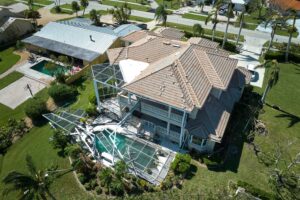
When a weather-related event is reported as the cause of structural damage, Professional Engineers will review data from nearby weather stations or other official sources for confirmation.
4. Peer Reviews
Once the engineer completes their investigation, assessment, historical review, and weather-related research, they compile their findings into an objective report. Another licensed Professional Engineer will then review the report to verify its accuracy.

Peer-reviewed structural engineering reports provide additional scrutiny, which allows insurance and legal professionals to make confident determinations based on the engineer’s findings.
This additional review gives insurance professionals, legal professionals, and property owners confidence in the engineer’s expert opinions, whether the report is referred to during the claims process, needed for potential legal proceedings, or simply for the homeowner’s own records.
As part of the Alpine Intel suite of services, Donan Engineering is equipped to answer complex and challenging questions about residential property damage and document the answers in detailed, objective peer-reviewed reports. To receive definitive insights into causes and scopes of damage from our licensed engineers, submit an assignment today.
Engineering services are provided by or subcontracted to Donan Engineering, LLC, Donan Engineering NC, PLLC, or Donan Forensic, LP.

Don’t miss insurance-focused resources and webinars about property, perils, and trends impacting claims nationwide by signing up for The Savvy Adjuster Newsletter.

Be sure to also tune in to The Savvy Adjuster Podcast to hear more from the experts themselves.
Alpine Intel’s content is meant to inform and educate readers using general terms and descriptions. They do not replace expert evaluations that determine facts and details related to each unique claim.
Related Resources
Your Guide to Structural Engineering Terms
Explore this comprehensive glossary to master structural engineering terminology, enhance your understanding of forensic reports, and confidently interpret expert assessments.

Residential Roof Tour
Learn about the anatomy of residential roofs and prepare for roofing claims by exploring this interactive guide. Plus, download a labeled roof diagram for reference.

Residential Refrigerator Schematic
Policyholders often assume their refrigerator needs to be removed from the wall to be inspected. The schematic shows why that often isn’t true and where components that may need to be inspected are located.