Navigating Data Center Equipment Claims Amid the AI Boom

Key Takeaways
Data centers continue to capture headlines. Learn why carriers should take notice and read about:
- Types of data center equipment that could appear in claims
- How heat, fire, smoke, dust, water, and high voltage surge can cause losses to specialized electrical equipment
- The critical role of expert consultants in evaluating and helping resolve these complex claims
Surging demand for AI innovation is driving data center expansion. According to Axios, almost 3,000 new data centers are being built or planned throughout the U.S., adding to the existing 4,000.
These facilities, which support everything from generative AI to cloud computing, house vast arrays of advanced equipment. Despite rigorous protective measures, losses still occur. Insurers must understand what equipment may be included in claims, the common causes of loss, and where to turn for expert support.
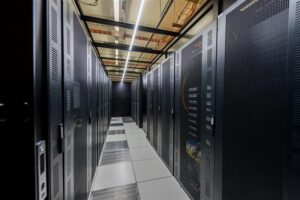
With the growing number of data centers being built in the U.S., insurance professionals need a foundational understanding of their equipment and the damages they could face.
Data Center Equipment That Could Appear in Claims
Data center equipment generally fits into four main infrastructure categories:
- Computing: Rack and blade servers
- Storage: Hard drives, solid-state drives (SSD), and network-attached storage (NAS)
- Networking: Switches, routers, cables, and firewalls
- Support: Power subsystems, uninterruptible power supplies (UPS), backup generators, ventilation and cooling equipment, fire suppression systems, and building security systems
These pieces of critical equipment keep data centers running smoothly, but may also be included in claims.
Common Causes of Data Center Equipment Losses
Although support infrastructure is designed to ensure continuous operation, unforeseen incidents can lead to disruptions that may slow, impair, or completely shut down facilities. Key causes of loss for data centers include heat exposure, fire, smoke and dust contamination, water, and high voltage surges.
Heat Exposure
Data centers commonly rely on air and liquid cooling systems to manage temperatures and protect equipment from heat damage. However, these systems can face significant strain due to increasing heat loads, variable demand, and severe weather.
When data center equipment exceeds its operating temperature range, it can become compromised or fail. Visible signs of damage, such as warped casings or melted plastic, may indicate a problem, but determining the full extent of a loss typically requires expert evaluation. This process often involves disassembling equipment to assess damage to internal components. Some equipment also stores internal temperature data, which experts can retrieve and compare to original equipment manufacturer recommendations for operating temperature ranges to determine the impact of heat exposure.
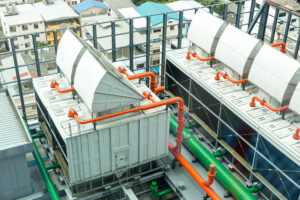
The cooling towers on this data center are part of the support infrastructure responsible for protecting equipment. If these systems fail, equipment could overheat.
Fire Damage
The National Fire Protection Association (NFPA) emphasizes that the shift from lead-acid to lithium-ion batteries in data center UPS systems has changed the fire risk landscape. In some facilities, these batteries are distributed throughout server racks, while others house them in a separate area outside the building. If a fire occurs, greater spacing between batteries may help limit its spread.
In the aftermath of a data center fire, an origin and cause investigation can help establish what happened. At the same time, engaging expert consultants to stabilize, clean, and assess equipment as close to the first notice of loss as possible is crucial for mitigating the effects of smoke, ash, or other fire-related elements.
Smoke Damage and Dust Contamination
The extent of smoke or dust impacts on data center equipment often depends on whether these contaminants were drawn into internal components and the duration of exposure.
After a fire, cooling fans can pull smoke into equipment. Dust from on-site construction or physical damage can also infiltrate equipment through the same pathways. When combined with humidity, both smoke and dust can become corrosive to electronics, possibly compromising critical components such as server motherboards, hard drives, and circuit boards.
Experts can assess contamination using scientific wipe sampling and U.S. Department of Energy standards. These evaluations help quantify the extent of damage and provide clear recommendations for cleaning, repairing, or replacing affected equipment. Having an assessment partner who uses a scientific approach not only guides insurers in determining the appropriate course of action, but also equips them with concrete findings to communicate effectively with commercial policyholders about the scope of the damage and best next steps.
Water Damage
Water damage in data centers can result from fire suppression systems, firefighting efforts, leaking roofs, or other structural issues that lead to water intrusion. Even cooling systems designed to protect equipment can fail, with cracks or burst pipes exposing the equipment they are meant to safeguard to water.
When assessing water damage to electrical equipment, factors such as the type of water (clean, gray, or black) and duration of exposure are crucial. As with other equipment losses, time is of the essence to prevent damage from worsening.
High Voltage Surge Damage
Data center equipment can be vulnerable to sudden voltage fluctuations. To minimize the risk of these events, many data centers are designed to quickly shift to local generators at the first indications of grid instability, though, according to Reuters, it’s possible that regulations may halt this practice because of its impact to the grid itself. In general, regulations governing data centers and their power sources are continually evolving. For instance, new EPA policies introduced at the start of 2026 extended Clean Air Act regulations to data center generators, imposing limits on their emissions.
And even with generators and surge protection measures, data centers are not immune to damage. When equipment failures due to high voltage surge are reported, expert testing is necessary to confirm the cause and scope of loss. This ensures carriers can settle claims accurately and identify the best approach for addressing the affected equipment.
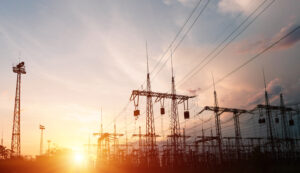
Despite their contingency plans, data centers aren’t completely immune from high voltage surge damage.
Navigating Service Contracts, Maintenance Agreements, and Salvage Opportunities
After a loss, equipment manufacturers sometimes inform insurers that they will no longer offer service contracts or maintenance agreements for the affected equipment, even when repairs could restore it to pre-loss condition.
However, the right assessment partner should be able to help. They can identify the exact Service Level Agreement (SLA) required and locate alternative providers offering the same SLA. When replacements are needed, experts can verify new equipment meets Like Kind and Quality standards and help salvage original systems to reduce overall exposure.
TechLoss Consulting & Restoration is that partner. We provide a range of services to support insurance professionals tackling data center and other equipment claims, including project management, on-site inspections, surge origin identification, equipment restoration, data recovery, repair vs. replacement recommendations, repair coordination, invoice review, and equipment recertification or salvage. Submit an assignment to TechLoss for tailored solutions for complex claims.

Don’t miss insurance-focused resources and webinars about property, perils, and trends impacting claims nationwide by signing up for The Savvy Adjuster Newsletter.

Be sure to also tune in to The Savvy Adjuster Podcast to hear more from the experts themselves.
Alpine Intel’s content is meant to inform and educate readers using general terms and descriptions. They do not replace expert evaluations that determine facts and details related to each unique claim.
Related Resources
Home Entertainment Equipment Guide
We explain what each component does, how often it’s likely to be in claims without showing damage at the time of assessment, and the average cost to replace it.

Adjusters’ Guide to Church Equipment Perils and Claims
Learn common types of commercial indoor and outdoor equipment found in religious facilities and perils that can impact them, so you’re better prepared for claims.
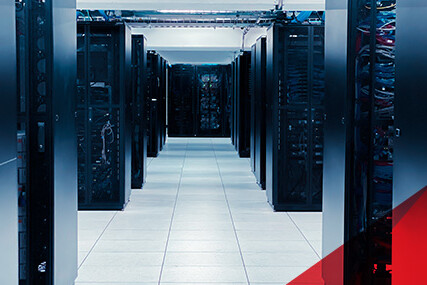
Data Center Equipment Claims: A Guide for Adjusters
This one-page guide is designed to help you understand what equipment may be included in data center claims, the perils that can affect it, and more. Request it now.