
How Invoice Reviews Provide Clarity for Tree-Related Claims

Even after trees or tree debris have been removed from a property, insurance professionals handling tree-related claims may have questions about the cost or details of the service provided.
Seeking an invoice review by credentialed experts from a leading tree care provider can offer clarity regarding the scope of an assignment, equipment used, whether the costs aligned with fair market pricing, and more.
How an Invoice Review Benefits Insurance Professionals
Third-party invoice reviews for tree care services are meant to ensure that adjusters have confidence in their claim resolutions following removal—and that they know what to consider going forward.
Tree care industry experts who have insurance and litigation experience are best equipped to handle these reviews, which may:
- Confirm the cost was fair and reasonable,
- Reveal information about a vendor’s approach to billing, or
- Detect red flags that could indicate price gouging might have occurred
The niche experience lends credibility to findings should the claim associated with the removal go to court.

Arborist-estimators or tree care industry experts with litigation and insurance experience can review tree removal invoices to help ensure fair, market-based pricing.
However, an arborist-estimator in the tree care vendor’s network may be tapped to evaluate submitted documentation instead. This usually occurs due to high pricing, when the vendor is uncooperative, or the invoice review provider has familiarity with the vendor in question.
If a second opinion is warranted, the tree care vendor may send the invoice to two to three companies within its network. If a specific issue has been noted, a subject matter expert may be consulted. For example, a crane operator could be sought if there are disputes over the use of a crane, its cost, or the necessity of its use.
Insurance professionals can also request that the expert who audited the invoice contact the contractor in writing to review findings, clarify the scope of work, or verify labor and equipment costs.
The Nuts and Bolts of an Invoice Review
When insurance professionals opt to pursue an invoice review, they first need to gather a few items for the review provider. Most important are photos showing the tree or trees that are included in the removal cost as well as the tree removal contractor’s invoice itself.
Additional items or documentation include:
- The claim number and property address
- Any correspondence regarding the cost of removal
- Times that the crew arrived on site and left; time cards for the crew
- Any invoices for leased equipment
- Photos of the equipment being used during the removal
The expert will compare the documentation to industry standards and market rates at the time of the assignment and determine if the insurance professional received a fair price. Additional research may be needed to better understand the landscape of the property where the removal occurred, the extent of damage (if any) that occurred on the property, and equipment used for removal work.
Most situations can be handled with a desktop review. However, an on-site review may be needed in extreme cases, such as a high estimated cost or limited imagery provided for removal of several trees.
Finding an Invoice Review Partner
Because it’s largely unregulated, predatory pricing practices are more prevalent in the tree care industry. Third-party evaluations of invoices for tree removal work can help weed out those who may be charging policyholders and carriers in excess of the market rates. This process, whether conducted by an arborist-estimator or a credentialed expert, either behind a desk or on-site, bolsters credibility and rapport among tree care vendors, the insurance providers they work with, and the policyholder.
Reputable leaders in the tree care industry who offer invoice review services aim to ease concerns about possible price gouging and provide insurance professionals with a fair price analysis.

Insurance professionals want to partner with an invoice review provider who has experience in the tree care and insurance industries and a team of certified experts.
There are a few key elements vendor managers should look for when seeking an invoice review partner.
Extensive knowledge of the tree care industry is mandatory. Certified experts and professional arborists set the foundation by understanding, having access to, and knowing how to interpret, nationwide market data and industry benchmarks. This allows them to validate pricing, labor, and scope across a range of equipment types used to complete the removal.
Ideally, the company providing an invoice review will have decades of experience and a nationwide team of certified and credentialed experts. The team should also have the bandwidth to complete reviews within two business days. For adjusters, that speed can help improve claim handling and lead to faster settlement decisions. It may even help insurance professionals decide if they want to use a different vendor going forward.
Specializing in emergency tree removal, tree removal invoice reviews, disaster response, and landscape consulting services nationwide, HMI leverages a vast network of credentialed tree care professionals and industry experts to deliver accurate assessments, actionable recommendations, and superior service. HMI is committed to providing fair, transparent, and market-based pricing for all projects, from storm damage recovery to large-scale commercial projects. To have HMI conduct an invoice review, submit an assignment today.

Don’t miss insurance-focused resources and webinars about property, perils, and trends impacting claims nationwide by signing up for The Savvy Adjuster Newsletter.

Be sure to also tune in to The Savvy Adjuster Podcast to hear more from the experts themselves.
Alpine Intel’s content is meant to inform and educate readers using general terms and descriptions. They do not replace expert evaluations that determine facts and details related to each unique claim.
Related Resources
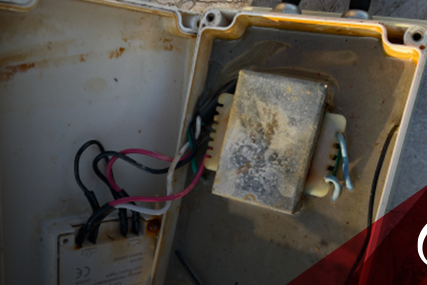
Electronics Losses Adjusters See In Hurricane-Related Claims
A slideshow of real hurricane-related claims and losses assigned to StrikeCheck.
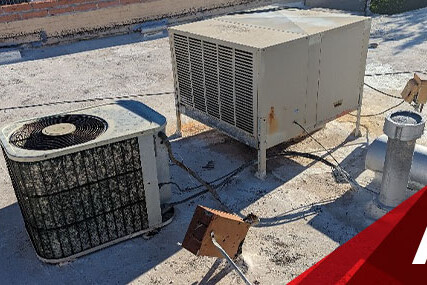
Hail-Related Property Damage Claims eBook
Learn tips about hail damage, or what might look like it, when policyholders report hail impacts to roofs, structures, HVAC systems, outdoor equipment, and more.
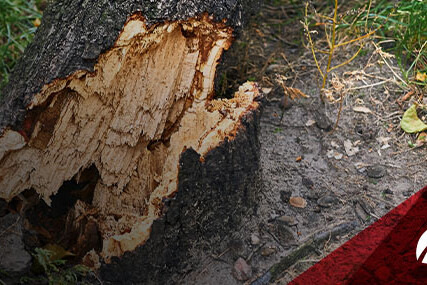
Identifying Risk Factors of Tree Failure Guide
This guide allows adjusters to explore potential indicators of tree damage or failure so they can confidently resolve claims that involve a fallen tree or debris.