5 Mistakes That Destroy Fire Evidence Before Subrogation

Key Takeaways
From this article, legal professionals can expect to learn how to preserve fire evidence that could be used in subrogation proceedings. This includes information on:
- How securing a fire scene early helps prevent evidence spoliation
- National Fire Protection Association (NFPA) standards for fire scene investigations and the importance of detailed documentation
- How improper shipping and storage can compromise fire evidence
- The importance of notifying relevant parties before conducting destructive product failure testing
- The risks of relying on unqualified experts during fire or product failure investigations
The strength of a subrogation case, or any litigation following a fire, may depend on the quality and integrity of the evidence presented as well as whether your investigative partner adheres to proper protocols and best practices. But all too often, critical mistakes made during the investigation and handling process can compromise this evidence, jeopardizing the outcome of a trial or settlement.
Make sure you know what common missteps to avoid in order to keep evidence intact and admissible.
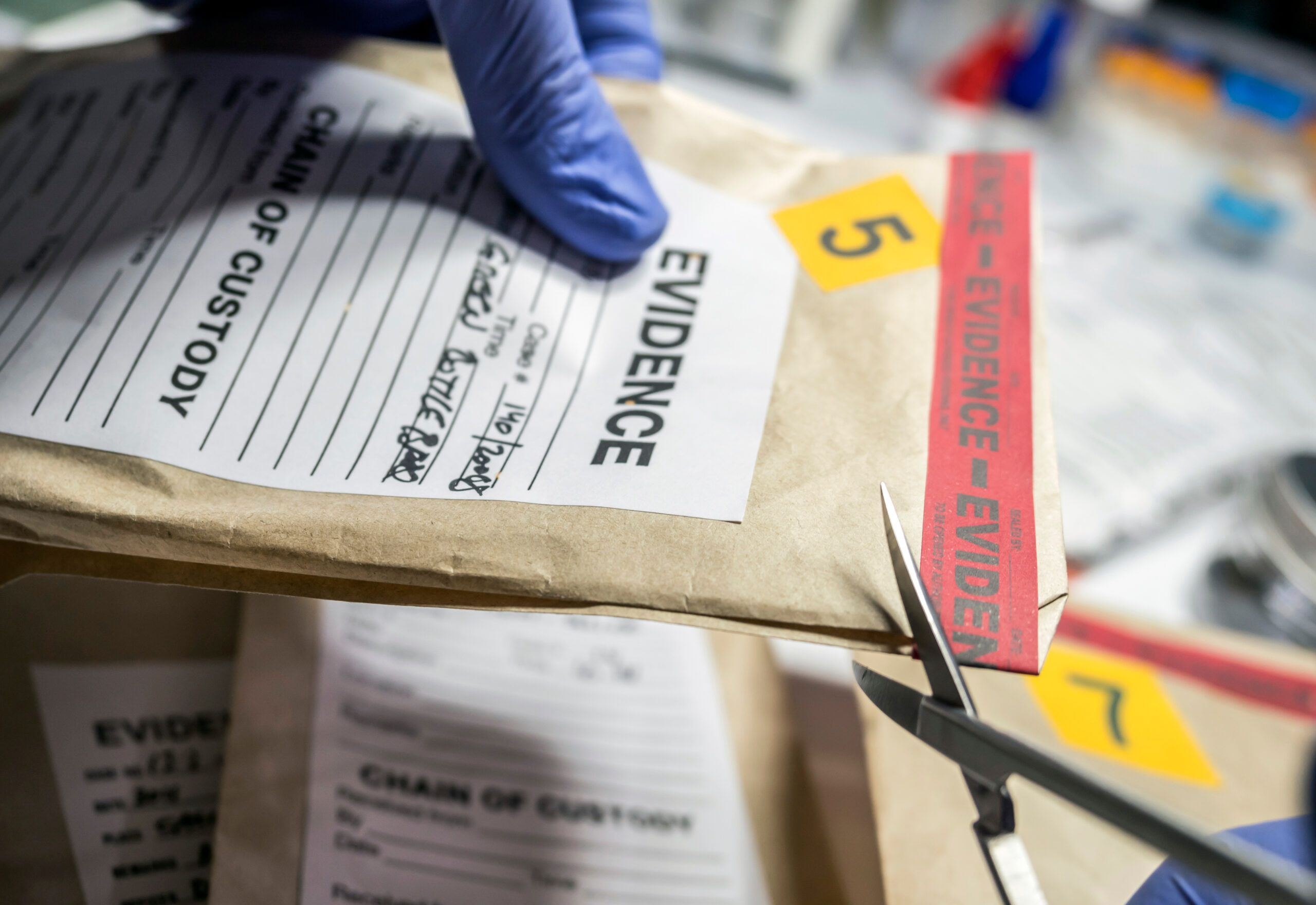
Evidence must be carefully preserved after a fire to maintain its value for potential legal proceedings.
#1: Failing To Secure the Scene Properly
Both public access and severe weather conditions can alter a fire scene—compromising it and any possibly valuable evidence it holds.
Measures should be taken early to secure the scene, not only so that certified fire investigators can perform an accurate origin and cause investigation, but also so that potential evidence is safe from spoliation and can be used in any eventual subrogation case. This may include securing doors and windows, covering openings with tarps or sheaths, fencing off areas, and, in some instances, posting signage or hiring security. Some of these actions may need to be coordinated with the local fire department, fire marshal, or the Authority Having Jurisdiction (AHJ) if there is an ongoing investigation.
#2: Inadequately Documenting Potential Subrogation Evidence
You never know what will become pivotal in a subrogation case that could occur months or even years after a fire.
That’s why it’s important that all possible evidence is documented and preserved from the outset. National Fire Protection Association (NFPA) 921, which establishes standards for scientifically based fire and explosion investigations, requires comprehensive fire scene documentation before restoration begins. This includes taking high-resolution photographs, creating diagrams, and making detailed notes. Any witnesses should be interviewed promptly to document their accounts while their memories remain fresh. Additionally, digital evidence, such as surveillance footage, should be secured before retention periods expire, and advanced tools like 3D imaging should be used to memorialize the scene.
Creating an exhaustive record early can help you ensure that you can verify critical facts when you need them most.
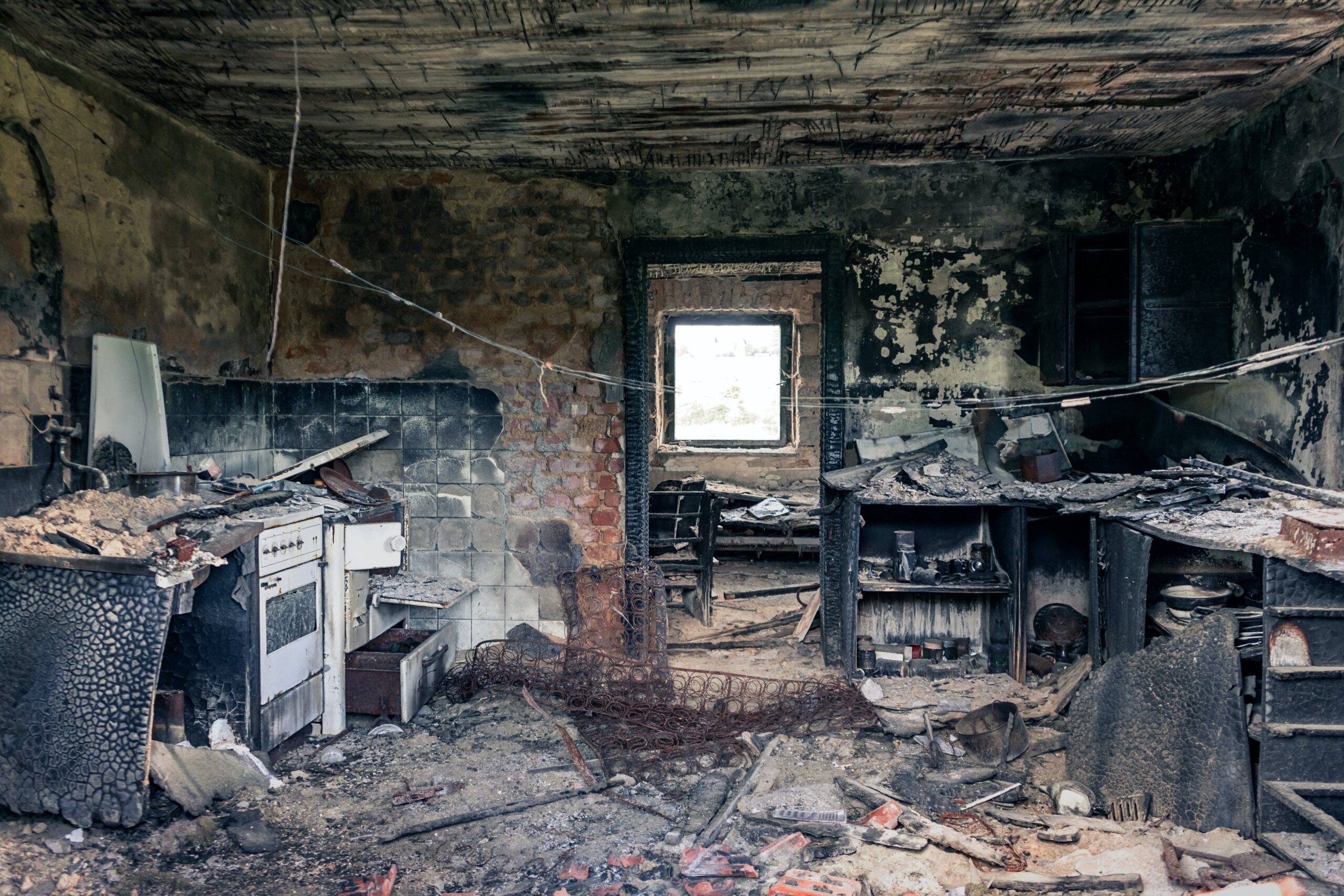
High-resolution photographs, diagrams, and 3D scans can act as crucial evidence, should a fire claim go to subrogation or litigation.
#3: Using Inadequate Shipping or Storage Services
Evidence that is mishandled during transport or stored in unsuitable conditions can become damaged, contaminated, and even rendered inadmissible in court. Both the NFPA 921 and ASTM International standards, which provide voluntary consensus technical guidelines for materials, products, systems, and services, emphasize the critical importance of preserving evidence integrity and maintaining a clear chain of custody.
To uphold these standards, work with investigative partners that adhere to them and avoid using general shipping providers. Instead, partner with a shipping service that specializes in evidence preservation to ensure items are securely packaged and protected. Also make sure the facility you entrust with evidence carefully catalogs every item, is climate-controlled, and has 24/7 video surveillance.
When possible, work with one partner for evidence shipping, testing, and storage to streamline the process. This not only simplifies logistics but also strengthens credibility by demonstrating to the court that you’ve maintained a single-entity chain of custody and that evidence has not been tampered with or compromised.
#4: Failing to Notify Key Parties for Joint Investigations
Destructive product failure testing may be required after some fires to determine whether manufacturing defects or installation errors in specific components contributed to its origin.
Because this testing can alter evidence, all relevant parties, including the potential tortfeasor, should be notified. Failing to do so could allow opposing counsel to challenge the credibility of the results. Confirm that all recipients have been provided with sufficient time to respond and, if applicable, participate in joint testing. Make sure to also document all communications and agreements regarding testing.
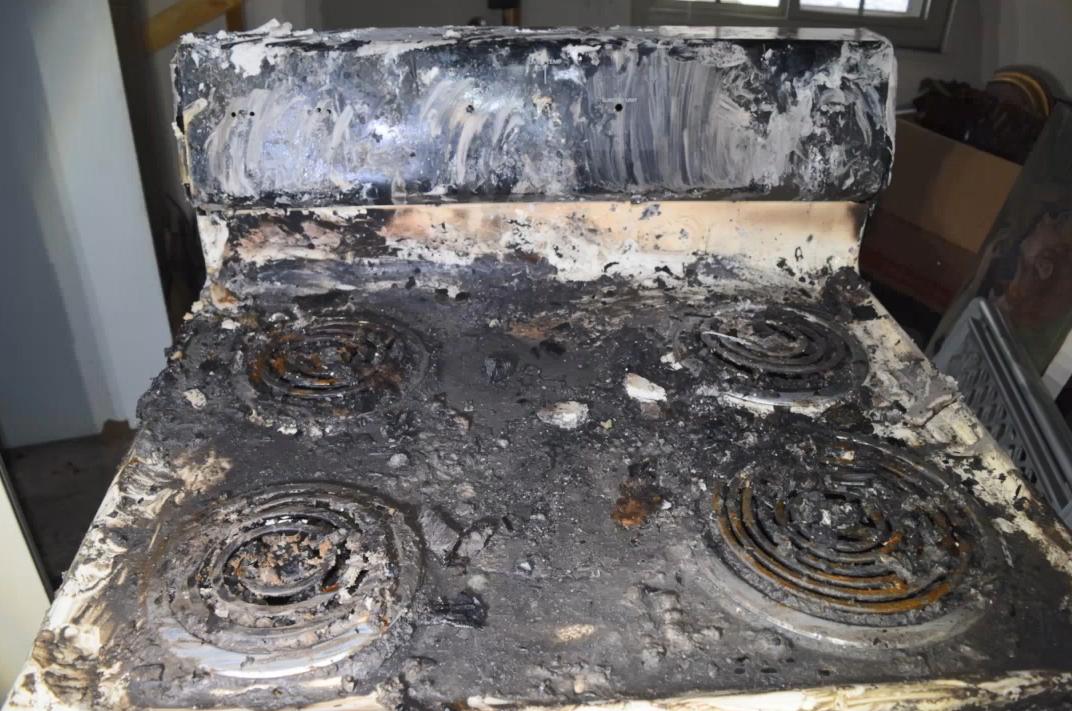
After a kitchen fire, certified fire investigators may recommend that appliances, such as ranges, toasters, air fryers, and coffee makers, undergo product failure testing to help illuminate the root cause of the fire.
#5: Relying on Unqualified Experts at Any Stage in the Process
Unqualified experts may misinterpret the fire scene, damage evidence, or generally fail to follow standard investigative protocols, leading to conclusions that do not hold up under scrutiny. Opposing counsel can easily discredit these individuals, which may weaken the case or result in the exclusion of their testimony.
To protect the integrity of an investigation, and ultimately a subrogation case, retain investigators who adhere to NFPA 921 and meet NFPA 1033 requirements, which set the standards for fire investigator qualifications and methodology. Your investigative partner should also be fully qualified to deliver expert witness testimony.
National Fire Experts (NFE), part of Alpine Intel’s suite of services, meets each of these benchmarks and is equipped to evaluate the evidence from any fire scene and provide an actionable, top-of-class report complete with recommended next steps.
Should these recommendations include further product failure testing, Donan’s Component Testing Laboratories, also part of Alpine Intel, and its in-house shipping service, Loss Logistics, can facilitate the transport, testing, and storage of evidence.
Their Professional Engineers offer conclusive insights and expert testimony.
Make sure all potential evidence is considered and preserved after a fire. Submit an assignment.
Engineering services are provided by or subcontracted to Donan Engineering, LLC, Donan Engineering NC, PLLC, or Donan Forensic, LP. National Fire Experts performs work in Indiana under Donan Engineering, LLC license PI20700047.

Don’t miss insurance-focused resources and webinars about property, perils, and trends impacting claims nationwide by signing up for The Savvy Adjuster Newsletter.

Be sure to also tune in to The Savvy Adjuster Podcast to hear more from the experts themselves.
Alpine Intel’s content is meant to inform and educate readers using general terms and descriptions. They do not replace expert evaluations that determine facts and details related to each unique claim.
Related Resources
Your Questions About Fire Investigation Evidence Answered!
A crash course in how evidence is defined, collected, preserved by professional fire investigators, and how adhering to these guidelines ensures a conclusive investigation.

Evidence in Vehicle Fire Claims Guide
Vehicle fire investigations include unique considerations. Here are a few things investigators consider when determining an accurate origin and cause.
Evidence Management Tips for Subrogation Attorneys Guide
Attorneys, learn three essential strategies to safeguard evidence and address spoliation concerns in subrogation cases involving product or component failures.