3 Challenges in Manufacturing Equipment Claims (& Solutions)

Downtime has always been a concern for manufacturers, but related costs have surged in recent years. The hourly cost of downtime in heavy industry quadrupled from 2019 to 2023, according to Siemens’ report, The True Cost of Downtime 2024. Based on interviews from individuals at industrial organizations globally, the report estimates that an idle production line costs a large heavy industry plant an average of $59 million annually.
That potential cost, combined with the complexity of interconnected systems and the risk of misjudging the extent of damages, makes manufacturing equipment claims particularly difficult to resolve. But there are solutions carriers can employ to help address them quickly.

Managing manufacturing equipment damage claims often means navigating tight timelines, intricate systems, and hidden damage. However, effective strategies can help you overcome these obstacles.
1. Time Is Money
Lost revenue and ongoing wage expenses are major drivers of downtime costs. On top of that, missed production targets can lead to contractual penalties or fewer business opportunities.
According to the same Siemens report, downtime hits small and medium-sized manufacturers especially hard. As suppliers to larger manufacturers, these businesses often rely on optimizing On Time, In Full (OTIF) deliveries—a critical supply chain metric. Equipment failures can disrupt these targets and strain or damage partnerships. The last thing these manufacturers need is a slow claims process further delaying the return to full operation.
Solution: Be part of the reason your manufacturing policyholders get back to business quickly. Let them know you understand the urgency of the situation by responding promptly and ensuring any third-party experts are on-site as close to the first notice of loss as possible. Rely on these consultants for guidance on immediate actions to minimize further damage, such as disconnecting equipment to prevent the spread of smoke contamination or water damage. They can also help you determine the most appropriate next steps to address the loss.

Equipment failures and delays in ensuing claims processes can disrupt critical OTIF deliveries. Swift action is key to helping manufacturers keep their supply chains moving.
2. Manufacturing Equipment Is Interconnected
Many manufacturing plants rely on Computer Numerical Controlled machines such as Electrical Discharge Machines (EDMs), lathes, routers, and milling machines to work in conjunction to create their end products. Even a single damaged piece of equipment within this interconnected web can halt operations and create bottlenecks across multiple stages of production.
And replacing one part of a larger production line can be especially difficult when aging systems are currently in place. Older, analog machinery may not integrate easily with newer, digital components, requiring custom solutions or extensive retrofitting.
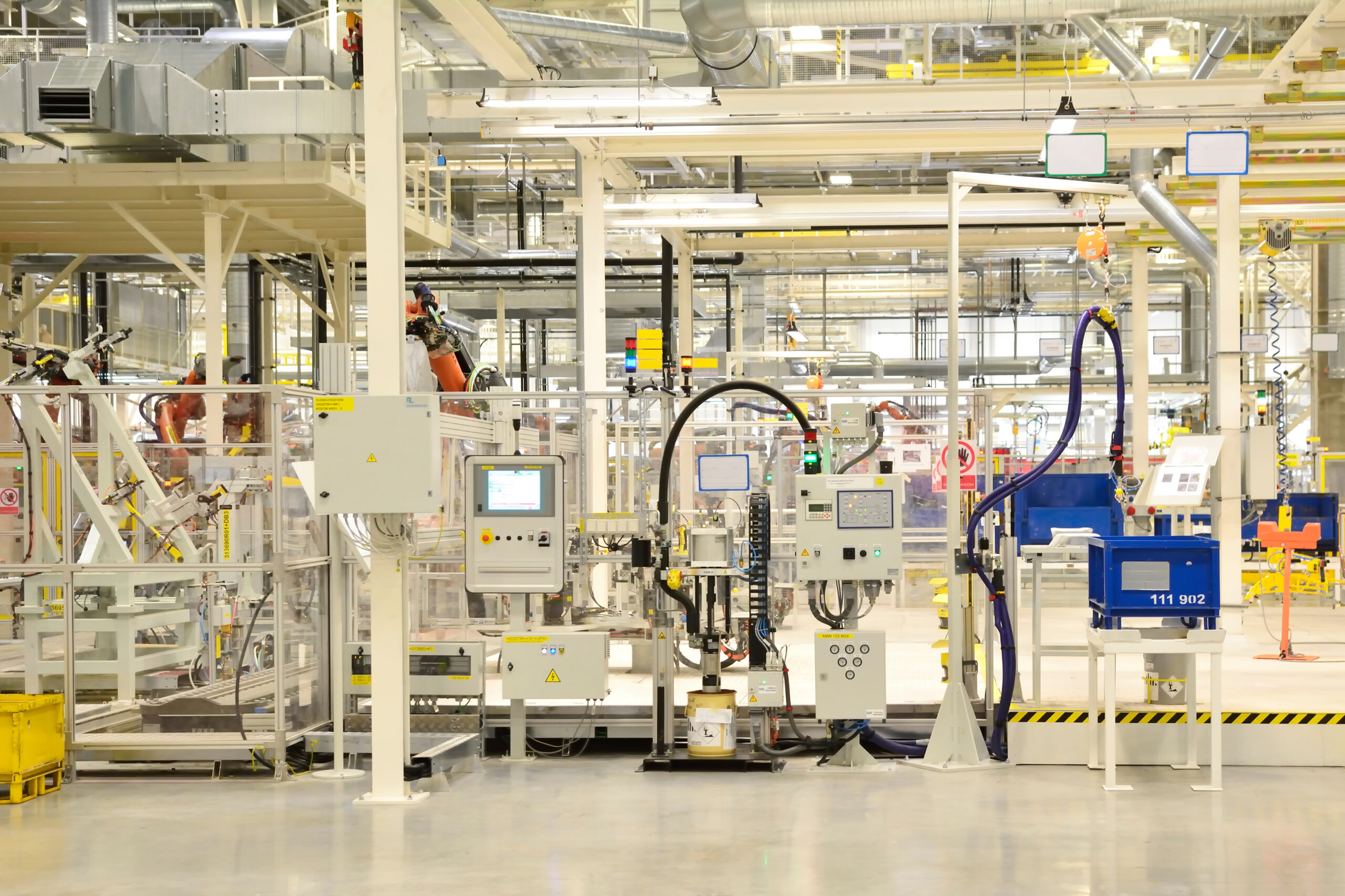
Damage to one machine can disrupt the entire production line, especially when outdated equipment complicates repairs and integration.
Solution: Work with experts who understand the nuances of both analog and digital systems. Lean on those with specialized knowledge and experience to help identify compatible parts and vendors that can install and retrofit them when necessary. These experts can identify all options for returning the involved equipment to a pre-loss condition, source recertified replacement equipment, and help to coordinate repairs to ensure that the involved equipment is returned to a pre-loss condition.
Damage Can Hide Beneath the Surface
Understanding the extent of damage to highly complex equipment is also a top challenge in manufacturing claims. While visible impacts such as melting or warping from direct fire exposure may be easy to spot, other forms of damage, including internal corrosion, can be harder to detect and worsen over time if unaddressed. Systems may function temporarily but eventually jam and become unreliable.
Solution: Choose an equipment assessment partner that understands the possibility of internal damage and is capable of identifying it. Using a restoration process, they should be able to clean and stabilize equipment so that it can be properly assessed.
With our 20 plus years of specialized experience, TechLoss Consulting & Restoration can meet each of these challenges. We understand the urgency of manufacturing equipment claims, carefully source vendors for compatible replacement parts, and fully assess all damage—not just what’s visible. Our team can even coordinate repairs and reinstate maintenance contracts.
When managing a manufacturing equipment claim—or losses with other business-critical or high net-worth residential systems—submit an assignment to TechLoss for straightforward solutions and support.

Don’t miss insurance-focused resources and webinars about property, perils, and trends impacting claims nationwide by signing up for The Savvy Adjuster Newsletter.

Be sure to also tune in to The Savvy Adjuster Podcast to hear more from the experts themselves.
Alpine Intel’s content is meant to inform and educate readers using general terms and descriptions. They do not replace expert evaluations that determine facts and details related to each unique claim.
Related Resources
Home Entertainment Equipment Guide
We explain what each component does, how often it’s likely to be in claims without showing damage at the time of assessment, and the average cost to replace it.

Adjusters’ Guide to Church Equipment Perils and Claims
Learn common types of commercial indoor and outdoor equipment found in religious facilities and perils that can impact them, so you’re better prepared for claims.
Adjusters’ Guide to Resolving Commercial Equipment Claims
Learn how TechLoss Consulting & Restoration supports business-critical equipment claims with inspections, vendor coordination, salvage, and more.